
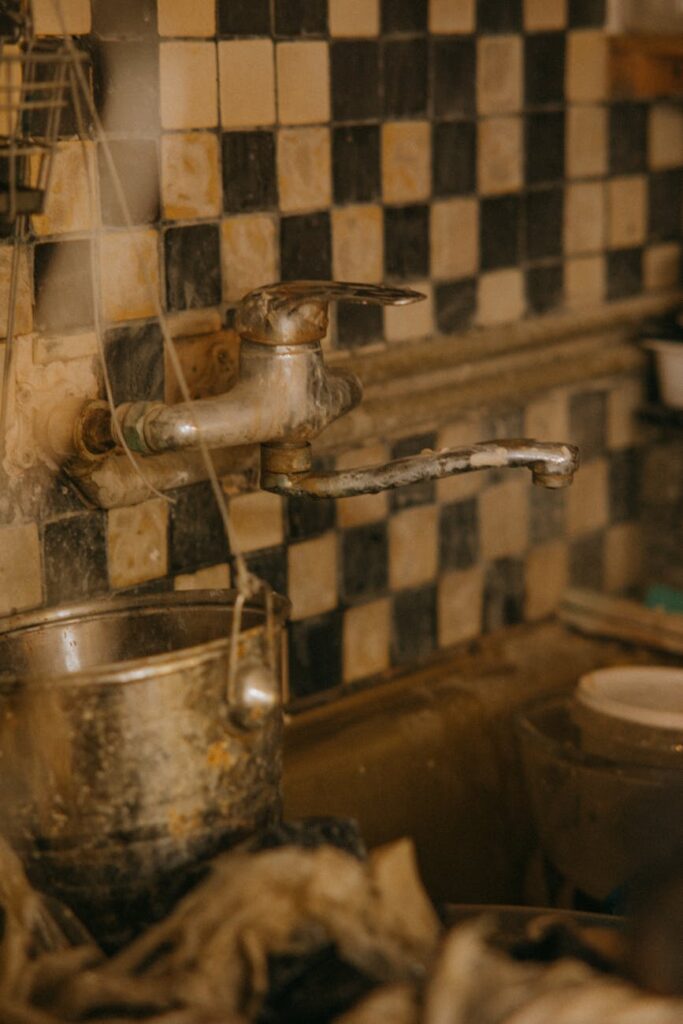
Kitchen Drain Mold Appliances Guide Part 2
Introduction
Kitchen drains are notorious for harboring mold, which can lead to unpleasant odors and potential health risks. While many homeowners focus on cleaning the visible parts of the kitchen, it’s crucial to address the hidden issues that appliances can create. This guide will help you understand what causes mold in kitchen drains linked to appliances, how to fix these problems, and tips for prevention.
What Causes Appliances?
Several kitchen appliances can contribute to mold growth in drains. Here are the main culprits:
1. Dishwashers: Food particles and moisture can accumulate, creating a breeding ground for mold.
2. Garbage Disposals: If not used properly, they can trap food waste, leading to stagnant water and mold.
3. Refrigerators: Leaks or spills can cause water to pool, attracting mold.
4. Washing Machines: If nearby drains are not properly maintained, they can back up and contribute to mold issues.
Understanding how these appliances interact with your kitchen drainage system is key to effective cleaning and prevention.
Why This Problem Happens
Kitchen drain mold is often a result of:
- Moisture Accumulation: Appliances can create damp environments, which mold thrives on.
- Food Residue: Leftover food particles provide nutrients for mold growth.
- Improper Drainage: Blocked or poorly maintained drains can lead to standing water, exacerbating mold issues.
- Neglect: Regular cleaning is often overlooked, allowing mold to flourish unnoticed.
- Rubber gloves
- Scrub brush
- Baking soda
- White vinegar
- Dish soap
- Hot water
- Bucket
- Baking Soda and Vinegar: A natural and effective way to clean drains. The reaction helps to break down any buildup.
- Bleach Solution: For tough mold, a diluted bleach solution can be effective but should be used sparingly and never mixed with other cleaners.
- Commercial Cleaners: There are many products specifically designed for cleaning kitchen drains that can help eliminate mold.
- Regular Cleaning: Schedule a monthly cleaning routine for your appliances and drains.
- Use Drain Screens: Install screens on drains to catch food particles and debris.
- Run Hot Water: After using the dishwasher or washing machine, run hot water through the drains to help flush out residue.
- Keep Appliances Dry: Wipe down any spills immediately and ensure appliances are not leaking.
Identifying the causes of mold growth in your kitchen drains is essential for finding effective solutions.
How to Fix Appliances (Step-by-Step)
Step 1: Gather Your Supplies
Before starting, gather the following:
Step 2: Turn Off Appliances
Ensure that all appliances are turned off and unplugged for safety.
Step 3: Clean the Garbage Disposal
1. Remove Debris: Use tongs or a long utensil to remove any visible debris from the disposal.
2. Baking Soda and Vinegar: Pour half a cup of baking soda down the disposal, followed by half a cup of vinegar. Let it sit for 10-15 minutes.
3. Flush with Hot Water: After 15 minutes, flush the disposal with hot water for a thorough clean.
Step 4: Inspect the Dishwasher
1. Remove the Filter: Take out the dishwasher filter and clean it under running water.
2. Run a Cleaning Cycle: Mix a cup of white vinegar with a cup of baking soda and run a hot cycle to sanitize the interior.
Step 5: Check the Refrigerator Drain
1. Locate the Drain: Find the drain hole in your refrigerator; it’s usually at the back.
2. Clear Clogs: Use a pipe cleaner or a small brush to remove any blockages gently.
3. Wipe Down: Clean the surrounding area with a mixture of dish soap and warm water.
Step 6: Clean the Washing Machine Drain
1. Remove Lint and Debris: Check the drain filter for lint and debris, and clean it thoroughly.
2. Use Vinegar: Pour two cups of white vinegar into the drum and run a hot cycle to eliminate mold.
By following these steps, you can effectively clean your appliances and reduce mold growth in your kitchen drains.
Best Cleaning Methods
Always follow the manufacturer’s instructions when using any cleaning products.
Common Mistakes to Avoid
1. Neglecting Regular Maintenance: Don’t wait until mold is visible; make cleaning a regular habit.
2. Using Too Much Water: Excessive water can exacerbate mold problems, especially in areas prone to drainage issues.
3. Ignoring Smells: If you notice a foul odor, it’s a sign that mold may be present and needs immediate attention.
4. Mixing Cleaners: Avoid mixing different cleaning agents, as this can create harmful reactions.
By avoiding these common pitfalls, you can maintain a cleaner, healthier kitchen environment.
Prevention Tips
Implementing these tips will help prevent mold from returning to your kitchen drains.
Frequently Asked Questions
1. How often should I clean my kitchen drains?
It’s advisable to clean your kitchen drains at least once a month to prevent mold buildup.
2. Can I use bleach to clean my drains?
Yes, but use it sparingly and never mix it with other cleaners. Dilute it with water for safer use.
3. What should I do if the mold keeps returning?
If mold keeps returning, check for moisture issues, leaks, or clogs in your drainage system.
4. Are there any natural methods to prevent mold?
Yes, using baking soda and vinegar regularly can help prevent mold growth naturally.
5. What are the signs of mold in my kitchen drains?
Common signs include a foul odor, visible mold growth, and slow drainage.
6. Do I need to call a professional for mold issues?
If home remedies and cleaning don’t resolve the problem, it may be best to consult a professional plumber.
By following this guide, you can effectively tackle kitchen drain mold related to your appliances, ensuring a cleaner and healthier kitchen space. Regular maintenance and proactive cleaning steps are key to avoiding future mold issues.