
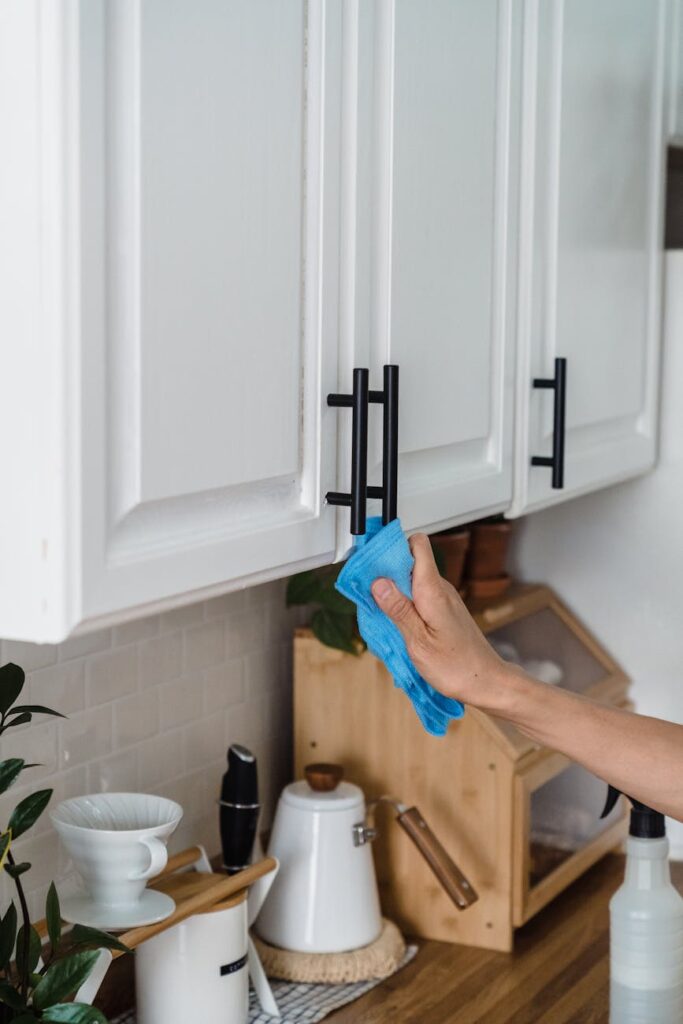
Kitchen Cabinet Odor Stains Guide Part 2
Introduction
Kitchen cabinets are often the unsung heroes of our culinary spaces, providing storage and organization. However, they can also harbor unpleasant odors and stubborn stains. This guide will address the common causes of kitchen cabinet odor stains, how to effectively clean them, and how to prevent them from recurring.
What Causes Stains?
Stains in kitchen cabinets can arise from various sources, including:
- Food Spills: Grease, sauces, and liquids can seep into the cabinet surfaces.
- Moisture: Humidity can lead to mold and mildew, resulting in discoloration and unpleasant smells.
- Improper Cleaning Products: Some cleaning agents can leave residues that attract dirt and odors.
- Old Food Packaging: Storing food in unsuitable containers can lead to spills and odors.
- Mild dish soap
- White vinegar
- Baking soda
- Microfiber cloths
- Sponge
- Spray bottle
- Soft-bristled brush (for tough stains)
- Gloves (optional)
- Ignoring Humidity: Failing to address humidity can lead to recurring stains and odors.
- Using Harsh Chemicals: Strong chemicals can damage the finish of your cabinets. Stick to mild solutions.
- Neglecting Regular Maintenance: A regular cleaning schedule can prevent stains from developing.
- Not Testing Cleaners: Always test a small, inconspicuous area before applying a cleaning solution to the entire surface.
- Keep Cabinets Dry: Use a dehumidifier or open windows while cooking to reduce moisture.
- Use Airtight Containers: Store food in airtight containers to prevent spills and odors from permeating the cabinets.
- Regular Cleaning: Establish a routine to wipe down cabinets every few weeks, even if they look clean.
- Use Coasters: Place coasters under items that could leak, like oils or sauces, to minimize spills.
Understanding the source of the stains is crucial for effective cleaning.
Why This Problem Happens
The kitchen is a high-traffic area where spills and splatters are common. Over time, even small incidents can lead to significant buildup. Additionally, cabinets often trap humidity, especially if they’re located near the stove or sink. This moisture can promote mold growth, which not only stains but also generates odors.
Using the wrong cleaning supplies can exacerbate the problem, as some products may not effectively remove stains and could leave residues that attract dirt.
How to Fix Stains (Step-by-Step)
Step 1: Gather Your Supplies
Before you start cleaning, gather the following supplies:
Step 2: Empty the Cabinets
Remove all items from your cabinets. This gives you full access to the surfaces and allows for thorough cleaning.
Step 3: Dust and Sweep
Use a microfiber cloth to wipe down the shelves and corners, removing any dust and loose debris. This step is essential to ensure that dirt doesn’t interfere with the cleaning process.
Step 4: Create a Cleaning Solution
For most stains, a simple solution of warm water and mild dish soap will suffice. For tougher odors, mix equal parts of white vinegar and water in a spray bottle.
Step 5: Apply the Solution
Spray or apply the cleaning solution to the stained areas. Allow it to sit for a few minutes to break down the stains.
Step 6: Scrub the Area
Use a sponge or soft-bristled brush to scrub the area gently. Be cautious with wooden cabinets; excessive scrubbing can damage the finish.
Step 7: Rinse and Dry
Dampen a clean cloth with water to wipe away the cleaning solution. Make sure to remove any residue. Follow up by drying the area thoroughly to prevent moisture from causing more stains.
Step 8: Deodorize (If Necessary)
If odors persist, sprinkle baking soda on the affected area. Let it sit for several hours or overnight, then vacuum or wipe away. This will help absorb lingering smells.
Best Cleaning Methods
1. Vinegar Solution
Vinegar is a natural deodorizer and stain remover. Mix equal parts vinegar and water in a spray bottle, spray on the stains, and wipe clean.
2. Baking Soda Paste
For stubborn stains, create a paste using baking soda and water. Apply it to the stain, let it sit for 15-20 minutes, then scrub gently and rinse.
3. Dish Soap and Water
For everyday cleaning, a solution of dish soap and warm water is effective for light stains and odors.
4. Commercial Cleaners
If natural methods fail, consider using a commercial kitchen cleaner designed for cabinets. Always follow the manufacturer’s instructions.
Common Mistakes to Avoid
Prevention Tips
Frequently Asked Questions
1. How often should I clean my kitchen cabinets?
Aim for cleaning every 2-3 months or whenever you notice stains or odors.
2. Can I use bleach to clean my cabinets?
While bleach can disinfect, it’s not recommended for cleaning cabinets as it can damage finishes and wood.
3. How do I know if my cabinets are damaged from stains?
Look for discoloration, peeling paint, or a rough texture. If any of these signs are present, it may be time for more extensive repairs.
4. What’s the best way to remove grease stains?
A mixture of dish soap and hot water is effective for grease stains. Apply, scrub, and rinse thoroughly.
5. Can I use a steam cleaner on my cabinets?
Steam cleaning can be effective, but it’s crucial to ensure that the wood can withstand moisture. Always check the manufacturer’s guidelines.
6. Why do my cabinets smell even after cleaning?
Persistent odors may be due to trapped moisture or mold. Ensure cabinets are completely dry and consider using a dehumidifier in the kitchen.
By following these steps and tips, you can effectively tackle kitchen cabinet odor stains, ensuring a clean and pleasant cooking environment. Regular maintenance and attention will keep your cabinets looking great and smelling fresh.