
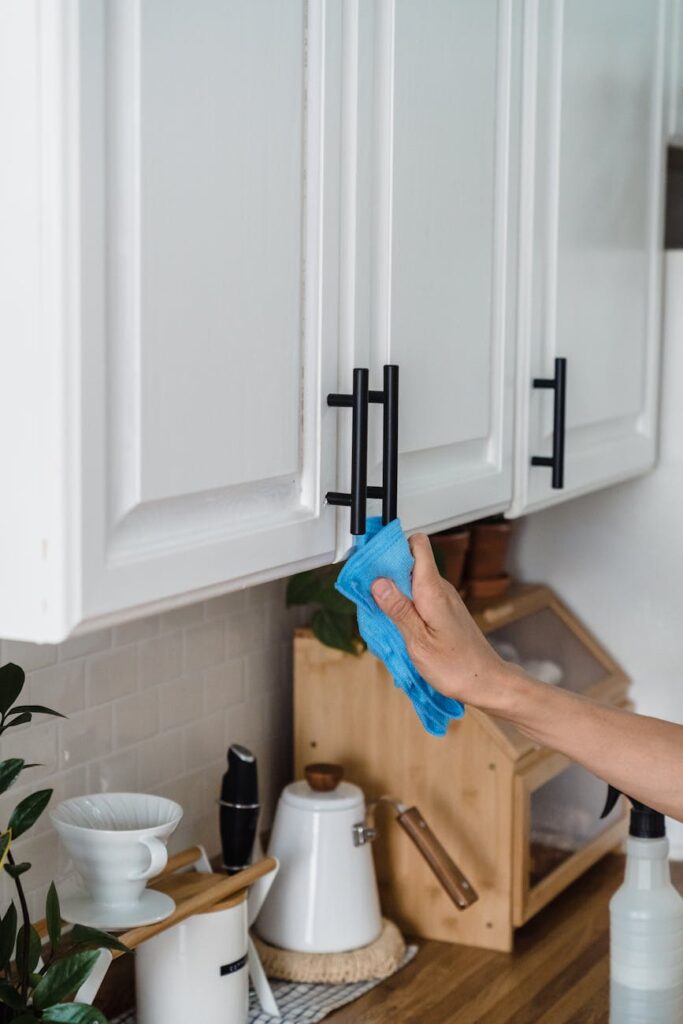
Kitchen Cabinet Odour Guide Part 2
Introduction
If you’ve ever opened your kitchen cabinets and been greeted by an unpleasant smell, you’re not alone. Kitchen cabinet odours can stem from various sources and can be quite frustrating to deal with. In this guide, we’ll explore the causes of these odours, how to tackle them effectively, and share tips for prevention. Let’s get started on restoring a fresh scent to your kitchen!
What Causes Odours?
Several factors can contribute to odours in kitchen cabinets:
1. Food Residue: Spilled food or crumbs left in the cabinets can lead to bad smells.
2. Moisture: Humidity can create a breeding ground for mould and mildew.
3. Old or Spoiled Items: Expired ingredients or neglected items can emit foul odours.
4. Chemical Reactions: Certain cleaning products or materials can produce unpleasant scents over time.
5. Poor Ventilation: Lack of airflow can trap smells inside cabinets.
Why This Problem Happens
Understanding why odours occur is essential to addressing them effectively. Factors like humidity levels, temperature fluctuations, and the types of materials used in cabinets can all play a role.
- Humidity: High humidity can cause food spills to become sticky and attract pests, leading to further odours.
- Temperature: Heat can accelerate the breakdown of food items, especially oils and fats, resulting in rancid smells.
- Material: Some woods and finishes can absorb odours, making it essential to choose the right materials for your kitchen.
- Start by removing all items from the cabinets.
- Check for expired or spoiled food and discard it.
- Use a mixture of warm water and mild dish soap to wipe down the cabinet interior.
- Pay special attention to corners and shelves where spills might have gone unnoticed.
- Baking Soda: Place an open box of baking soda in each cabinet to absorb lingering odours.
- Vinegar: Wipe surfaces with a solution of equal parts white vinegar and water. This helps neutralise smells.
- Activated Charcoal: Use sachets of activated charcoal as a natural deodoriser.
- Ensure all surfaces are dry before replacing any items. This helps prevent mould growth.
- Return clean items to the cabinets, ensuring everything is sealed properly.
- Consider using airtight containers for food storage.
- Mix one part vinegar with one part water in a spray bottle.
- Spray the interior surfaces and wipe with a microfiber cloth.
- Combine baking soda with a little water to form a paste.
- Apply this paste to stubborn stains and leave for 15 minutes before scrubbing off.
- Add a few drops of lemon or tea tree oil to your cleaning solution for a pleasant scent.
- These oils also have natural antibacterial properties.
- If home remedies fail, consider a commercial kitchen cleaner designed to eliminate odours.
- Ensure it’s safe for the materials used in your cabinets.
How to Fix Odours (Step-by-Step)
Follow these steps to eliminate odours from your kitchen cabinets:
Step 1: Empty the Cabinets
Step 2: Clean Surfaces
Step 3: Deodorise
Step 4: Dry Thoroughly
Step 5: Replace Items
Best Cleaning Methods
To effectively combat kitchen cabinet odours, use these cleaning methods:
1. Vinegar Solution
2. Baking Soda Paste
3. Essential Oils
4. Commercial Cleaners
Common Mistakes to Avoid
When dealing with kitchen cabinet odours, steer clear of these pitfalls:
1. Ignoring the Source: Always find the root cause of the odour instead of just masking it.
2. Using Harsh Chemicals: Avoid cleaners that can damage cabinet finishes or leave a strong chemical smell.
3. Not Drying Properly: Neglecting to dry surfaces can lead to mould and mildew growth.
4. Overlooking Cracks and Crevices: Make sure to clean all areas, including hard-to-reach spots.
5. Not Sealing Containers: Failing to use airtight containers for food can lead to recurring odours.
Prevention Tips
To maintain fresh-smelling kitchen cabinets, consider these preventive measures:
1. Regular Cleaning: Clean cabinets every few months to remove spills and dust.
2. Use Airtight Containers: Store all food items in airtight containers to prevent odours from escaping.
3. Control Humidity: Use a dehumidifier in humid climates to keep moisture levels low.
4. Proper Ventilation: Ensure your kitchen is well-ventilated to promote airflow.
5. Check Expiry Dates: Regularly inspect items in your cabinets and discard anything expired.
Frequently Asked Questions
1. How often should I clean my kitchen cabinets?
Aim to clean your kitchen cabinets every three to six months, or more frequently if you notice spills or odours.
2. Can I use bleach to clean my cabinets?
While bleach can disinfect, it may damage finishes and leave a strong scent. Use it as a last resort and always dilute it.
3. Why do my kitchen cabinets smell musty?
Musty smells often result from moisture buildup. Ensure your kitchen is well-ventilated and check for leaks.
4. What should I do if the smell persists after cleaning?
If the odour continues, consider checking hidden areas for spills, or investigate if any items need replacing.
5. Are there any natural alternatives to commercial cleaners?
Yes, vinegar, baking soda, and lemon juice are effective natural cleaning agents that can help eliminate odours.
6. Can I use essential oils to prevent odours?
Absolutely! Essential oils like lemon, lavender, and tea tree can freshen the air and have antibacterial properties.
Conclusion
Dealing with kitchen cabinet odours doesn’t have to be a complicated process. By understanding the causes and employing effective cleaning methods, you can restore a fresh scent to your cabinets. Regular maintenance and smart storage solutions will help keep unpleasant smells at bay. Follow the steps outlined in this guide, and enjoy a cleaner, fresher kitchen!