
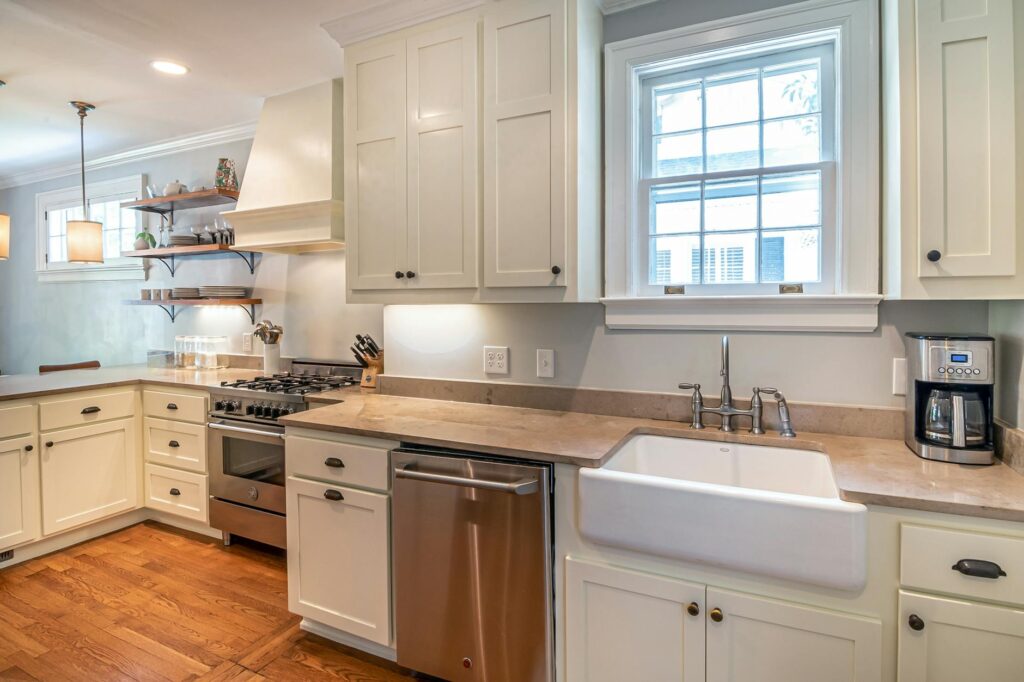
Kitchen Cabinet Odor: Mould & Damp Guide Part 1
Introduction
Kitchen cabinets are essential for storing food and utensils, but they can sometimes develop unpleasant odors due to mould and dampness. This guide will help you identify the causes, fix the issues, and prevent future occurrences of mould and damp in your kitchen cabinets.
What Causes Mould & Damp?
Mould and dampness in kitchen cabinets can arise from several sources:
1. Moisture: High humidity levels or spills that are not cleaned up can create a breeding ground for mould.
2. Poor Ventilation: Lack of airflow can trap moisture, leading to damp conditions.
3. Leaky Pipes: Any plumbing issues behind or within cabinets can introduce moisture.
4. Food Residue: Spilled food or liquids left uncleaned can attract mould.
5. Temperature Fluctuations: Warm air can hold more moisture, which condenses in cooler areas.
Understanding these causes is critical for effective remediation.
Why This Problem Happens
Mould thrives in warm, dark, and damp environments, making kitchen cabinets an ideal location when conditions are right. Factors like cooking steam, spills, and insufficient cleaning contribute to the problem. Over time, if left unaddressed, mould can spread and lead to unpleasant odors, making your kitchen less inviting and potentially affecting the quality of your food.
How to Fix Mould & Damp (Step-by-Step)
Step 1: Empty the Cabinets
Begin by removing all items from your cabinets. This includes dishes, food, and any other stored items. Check for signs of mould on these items as well.
Step 2: Inspect for Damage
Examine the interior of your cabinets for mould growth or water damage. Look for discolored patches, peeling paint, or warped wood.
Step 3: Clean the Affected Areas
1. Prepare a Cleaning Solution: Mix equal parts of water and white vinegar in a spray bottle. Vinegar is effective against mould and odours.
2. Spray and Wipe: Generously spray the solution onto the mouldy areas and let it sit for about 10 minutes. Wipe with a clean cloth, ensuring you remove all mould.
3. Use Baking Soda: For stubborn odours, sprinkle baking soda inside the cabinets and let it sit overnight before vacuuming or wiping it away.
Step 4: Dry Thoroughly
After cleaning, ensure that the cabinets are completely dry. Use a fan or dehumidifier to speed up the drying process. This step is crucial to prevent mould from returning.
Step 5: Reorganize and Replace Items
As you return items to the cabinets, check for any signs of mould or dampness. Discard any contaminated items and consider storing food in airtight containers to reduce moisture exposure.
Best Cleaning Methods
Vinegar Solution
As mentioned earlier, a vinegar solution is effective for cleaning and deodorizing. It can kill mould spores and eliminate musty smells.
Baking Soda
Baking soda is a natural deodorizer. It can absorb moisture and neutralize odours, making it an excellent choice for ongoing maintenance.
Hydrogen Peroxide
For severe mould infestations, a 3% hydrogen peroxide solution can be used. Spray it directly onto the mould, let it sit, and then wipe clean. Ensure good ventilation when using this method.
Commercial Mould Cleaners
If natural methods don’t work, consider using a commercial mould cleaner. Always follow the manufacturer’s instructions and take necessary safety precautions.
Common Mistakes to Avoid
1. Ignoring the Source: Cleaning may remove the mould, but if the source of moisture isn’t addressed, the problem will return.
2. Using Too Much Water: Excessive water can worsen dampness. Always use cleaning solutions sparingly.
3. Not Ventilating: Failing to ventilate the area while cleaning can trap moisture and promote mould growth.
4. Skipping Regular Maintenance: Regular checks and cleanings can prevent mould from becoming a serious issue.
Prevention Tips
1. Control Humidity: Use a dehumidifier to keep humidity levels below 60%. This helps prevent mould growth.
2. Ensure Good Ventilation: Open windows while cooking and use exhaust fans to reduce moisture.
3. Regular Cleaning: Clean your cabinets every few months to keep them free of spills and debris.
4. Seal Cabinets: Consider sealing wooden cabinets to create a barrier against moisture.
5. Store Food Properly: Use airtight containers to minimize moisture and prevent mould.
Frequently Asked Questions
1. How can I tell if my cabinets have mould?
Look for discolored patches, a musty smell, or peeling paint. If you see any of these signs, it’s essential to inspect and clean the area.
2. Is mould in kitchen cabinets dangerous?
While mould can cause unpleasant odors, certain types can lead to health problems. It’s crucial to address mould growth promptly.
3. Can I use bleach to clean mould?
While bleach can kill mould, it can also release harmful fumes and is not effective on porous surfaces like wood. Opt for vinegar or baking soda instead.
4. How often should I clean my kitchen cabinets?
Cleaning every 3-6 months is recommended, or more often if you notice spills or humidity issues.
5. What should I do if the mould keeps returning?
If mould continues to return, assess the source of moisture. It may be necessary to consult a professional for plumbing or structural issues.
6. Can I prevent mould with essential oils?
Certain essential oils, like tea tree oil, have antifungal properties. Adding a few drops to your cleaning solution may help deter mould growth.
By following this practical guide, you can effectively address mould and damp issues in your kitchen cabinets, ensuring a fresh and clean environment for your food and belongings. Stay tuned for Part 2, where we will dive deeper into advanced prevention methods and maintenance tips.