
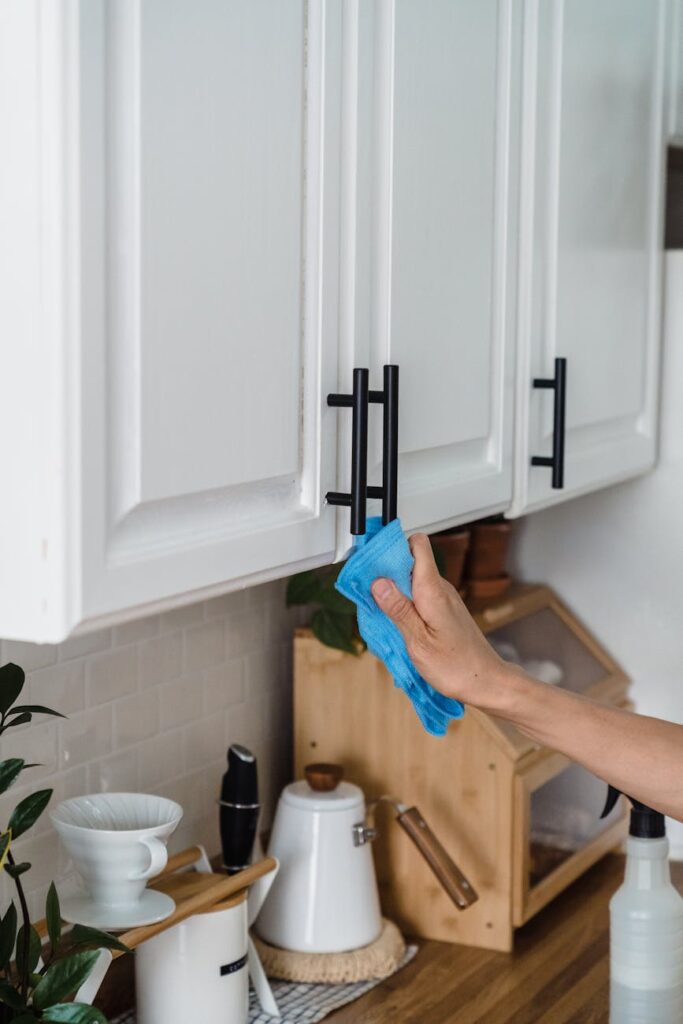
Kitchen Cabinet Odor Cleaning Guide Part 2
Introduction
Kitchen cabinets can develop unpleasant odors over time, making your cooking space less inviting. These odors can stem from a variety of sources, including food spills, moisture, and inadequate ventilation. In this guide, we’ll explore the causes of kitchen cabinet odors, how to eliminate them effectively, and tips for preventing them in the future.
What Causes Odors in Kitchen Cabinets?
Understanding the root causes of unpleasant smells is crucial for effective cleaning. Common culprits include:
- Food Residue: Crumbs, spills, and expired food can create a breeding ground for bacteria and mold.
- Moisture: High humidity levels can lead to dampness, which contributes to musty odors.
- Poor Ventilation: Lack of airflow can trap odors inside cabinets.
- Old Wood: Natural materials can absorb and retain smells over time, especially if not properly maintained.
- Remove all items from the cabinets, including food, utensils, and cookware.
- Check the expiration dates on food items and dispose of anything that is no longer good.
- Look for signs of leaks, mold, or mildew.
- Pay attention to any damaged wood, as this can harbor odors.
- Materials Needed: Mild detergent, warm water, sponge or cloth, and a bowl for mixing.
- Mix a solution of mild detergent and warm water.
- Using a sponge or cloth, wipe down the interior surfaces of the cabinets thoroughly.
- Rinse with clean water and dry with a towel.
- Baking Soda: Place an open box of baking soda in the cabinet for a few days to absorb odors.
- Vinegar Solution: Mix equal parts water and vinegar in a spray bottle. Spray the interior and wipe down. Vinegar neutralizes odors effectively.
- Leave the cabinet doors open for a few hours to allow fresh air to circulate.
- If possible, consider using a small fan to enhance airflow.
- Before putting items back, ensure they are clean and dry.
- Store food in airtight containers to prevent future odors.
- Regular Cleaning: Clean your cabinets every few months, focusing on areas that store food.
- Use Airtight Containers: Store food in airtight containers to prevent spills and odors.
- Control Humidity: Use dehumidifiers in particularly humid climates to reduce moisture levels.
- Improve Ventilation: Ensure your kitchen is well-ventilated, especially while cooking.
- Check for Leaks: Regularly inspect plumbing and appliances for leaks that could lead to moisture buildup.
Why This Problem Happens
Kitchen cabinets are often subjected to various elements that can lead to odors:
1. Spills and Leaks: Accidental spills from containers or leaks from pipes can go unnoticed, creating odor issues.
2. Food Storage: Storing food in cabinets without proper sealing can lead to spoilage and smells.
3. Cleaning Neglect: Skipping regular cleaning can allow odors to build up over time.
4. Environmental Factors: Cooking fumes, smoke, and even pet odors can permeate cabinets.
How to Fix Odors (Step-by-Step)
Eliminating odors from your kitchen cabinets involves a systematic approach. Follow these steps:
Step 1: Empty the Cabinets
Step 2: Inspect for Damage
Step 3: Clean the Surfaces
Step 4: Deodorize
Step 5: Allow for Airflow
Step 6: Replace Items
Best Cleaning Methods
Different cleaning methods can be effective based on the severity and source of the odor:
1. Vinegar and Water Solution
Combine equal parts vinegar and water in a spray bottle. This natural deodorizer helps neutralize odors without harsh chemicals.
2. Baking Soda Paste
Mix baking soda with a small amount of water to create a paste. Apply it to areas with stubborn odors and let it sit for several hours before wiping it off.
3. Activated Charcoal
Place small bags or containers of activated charcoal in your cabinets. This substance is highly effective at absorbing odors.
4. Essential Oils
Add a few drops of essential oils, such as lemon or lavender, to a cotton ball and place it in the cabinet. This will provide a pleasant fragrance while combating odors.
Common Mistakes to Avoid
1. Ignoring Spills: Failing to clean up food spills promptly can lead to persistent odors.
2. Using Harsh Chemicals: Some strong cleaning agents can leave behind their own odors or damage surfaces.
3. Overloading Cabinets: Too many items can restrict airflow, leading to trapped smells.
4. Neglecting Regular Maintenance: Skipping routine cleaning can allow odors to accumulate.
Prevention Tips
Preventing odors in your kitchen cabinets is easier than dealing with them after they develop. Here are some proactive measures:
Frequently Asked Questions
1. How often should I clean my kitchen cabinets?
Aim to clean your kitchen cabinets every three to six months, or more frequently if you notice odors or spills.
2. Can I use bleach to clean cabinet odors?
While bleach can disinfect, it may leave a strong chemical smell. Opt for vinegar or baking soda for a more natural approach.
3. What if the odor persists after cleaning?
If odors persist, consider checking for hidden moisture issues or mold that may require professional attention.
4. How can I freshen my cabinets between deep cleanings?
Place an open box of baking soda or a few cotton balls soaked in essential oils inside the cabinets for continuous odor absorption.
5. Is it safe to store food in cabinets with odors?
It’s best to eliminate the odor before storing food. Stale or unpleasant smells can affect the taste and safety of stored items.
6. Can I prevent odors from cooking?
Using exhaust fans while cooking and keeping windows open can help reduce cooking odors that may linger in cabinets.
By understanding the causes of kitchen cabinet odors and following these practical cleaning steps, you can maintain a fresh and welcoming kitchen environment. Regular maintenance and proactive measures will ensure that your cabinets remain odor-free for years to come.