
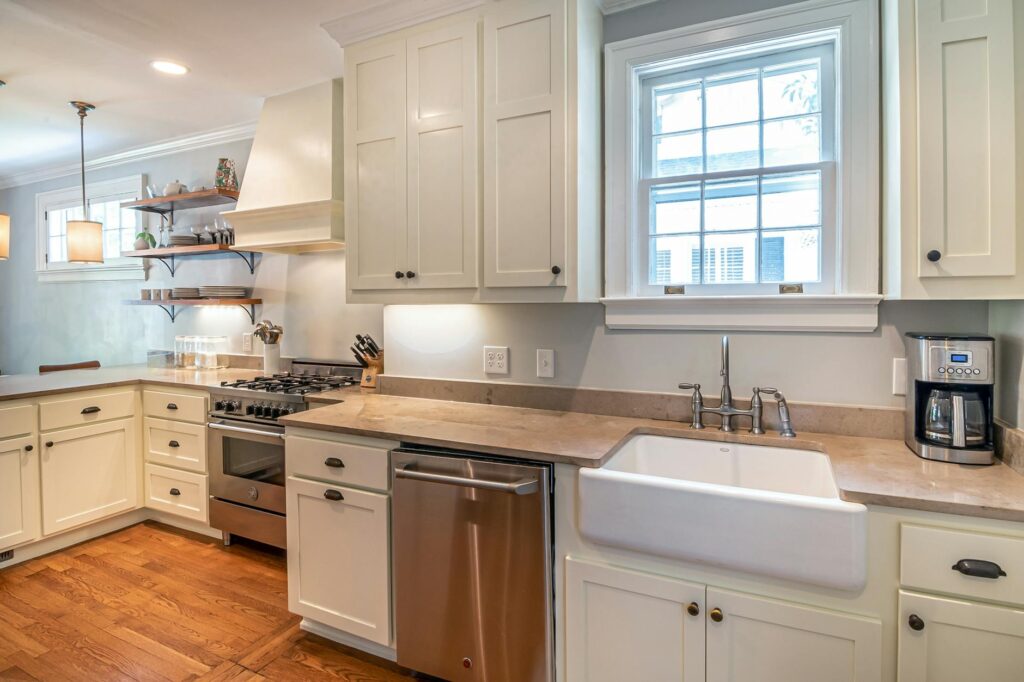
Kitchen Cabinet Odor Bathroom Guide Part 1
Introduction
If you’ve ever opened your kitchen cabinet and caught a whiff of something unpleasant, you know how frustrating it can be. The odors can stem from various sources, including items stored in the cabinet or humidity from the bathroom. In this guide, we’ll explore the causes of kitchen cabinet odors that may originate from the bathroom, why these odors occur, and how to effectively eliminate them.
What Causes Bathroom Odor?
Bathroom odors can seep into adjacent areas, including your kitchen cabinets. These odors can originate from:
- Moisture: Bathrooms are typically humid environments, which can lead to mold or mildew growth.
- Organic waste: Items like wet towels, toiletries, and even clogged drains can contribute to unpleasant smells.
- Poor ventilation: Lack of airflow in the bathroom can trap odors and create a breeding ground for bacteria.
- Humidity: Bathrooms generate steam from showers and baths, which can rise into kitchen cabinets.
- Shared plumbing: If there are leaks or drainage issues in the bathroom, odors can waft into kitchen spaces.
- Storage habits: Storing damp items or toiletries in kitchen cabinets can contribute to odor development.
- Damp items in the kitchen cabinet.
- Signs of mold or mildew on cabinet surfaces.
- Any plumbing issues in the bathroom wall.
- Ventilation: Ensure your bathroom has good airflow. Open windows or install an exhaust fan.
- Clean Regularly: Regularly clean the bathroom to prevent odors from building up.
- Fix Leaks: If plumbing issues are found, fix them promptly.
- Keep it Dry: Store only dry items in your kitchen cabinet. Use silica gel packs to absorb moisture if necessary.
- Use Airtight Containers: Store food and other items in airtight containers to prevent odors from escaping.
- Baking Soda: Place an open box of baking soda in the cabinet to absorb odors.
- Activated Charcoal: Use charcoal bags for powerful odor absorption. They’re effective and can be reused.
- Essential Oils: A few drops of essential oils in the cabinet can freshen the air. Consider oils like lavender or lemon.
- Ignoring Dampness: Failing to address damp items can lead to recurring odors.
- Overlooking Ventilation: Not improving airflow in the bathroom will allow odors to linger.
- Using Strong Chemicals: Harsh chemicals can mask odors but might not eliminate the source. Stick to natural cleaners when possible.
- Regular Cleaning: Consistent cleaning of both the kitchen and bathroom will keep odors at bay.
- Check for Moisture: Regularly inspect both rooms for any signs of dampness or leaks.
- Use Deodorizers: Consider using deodorizers designed for cabinets or bathrooms to keep things fresh.
- Maintain Plumbing: Ensure that plumbing is in good condition and fix any leaks immediately.
When these odors travel, they can settle in your kitchen cabinets, creating an unpleasant experience every time you open them.
Why This Problem Happens
The kitchen and bathroom often share walls or are located near each other in a home. This proximity can allow smells to travel through air ducts or via shared plumbing. Here are a few reasons why this issue arises:
Understanding the root causes will help you tackle the problem effectively.
How to Fix Bathroom Odor (Step-by-Step)
Step 1: Identify the Source
Before you can eliminate the odor, you need to identify where it’s coming from. Check for:
Step 2: Remove Affected Items
Clear out the contents of the kitchen cabinet. Place them on a clean surface, and inspect each item for signs of moisture or mold. Discard any items that are wet, expired, or moldy.
Step 3: Clean the Cabinet
1. Prepare a Cleaning Solution: Mix warm water with mild dish soap or vinegar.
2. Wipe Down: Use a soft cloth to wipe the inside of the cabinet thoroughly. Pay attention to corners and crevices.
3. Disinfect: Follow up with a disinfectant spray to kill any lingering bacteria or mold. Allow the cabinet to dry completely.
Step 4: Address Bathroom Sources
Step 5: Reorganize and Store Wisely
Best Cleaning Methods
Employing the right cleaning methods can make a significant difference in eliminating odors:
Common Mistakes to Avoid
Prevention Tips
Preventing kitchen cabinet odors from the bathroom is easier than you think. Here are some practical tips:
Frequently Asked Questions
1. How often should I clean my kitchen cabinets to prevent odors?
Aim to clean your kitchen cabinets at least once a month, or more frequently if you notice any odors.
2. Can I use bleach to clean my cabinets?
While bleach can kill bacteria, it may not eliminate the source of the odor. Use it sparingly and always dilute it.
3. What should I do if the odor persists despite cleaning?
If odors persist, consider checking for plumbing issues or consulting a professional to identify hidden mold or mildew.
4. Will storing food in airtight containers prevent odors?
Yes, airtight containers can help prevent odors from escaping and protect food from moisture.
5. Can humidity alone cause kitchen cabinet odors?
Yes, excessive humidity can lead to mold and mildew growth, contributing to unpleasant odors in kitchen cabinets.
6. How can I tell if my kitchen cabinet has mold?
Look for discoloration, a musty smell, or visible growth. If you suspect mold, it’s best to clean it thoroughly and address any moisture issues.
By following these practical steps and tips, you can effectively tackle and prevent kitchen cabinet odors that originate from your bathroom. Stay proactive, and your kitchen will remain a fresh and inviting space.