
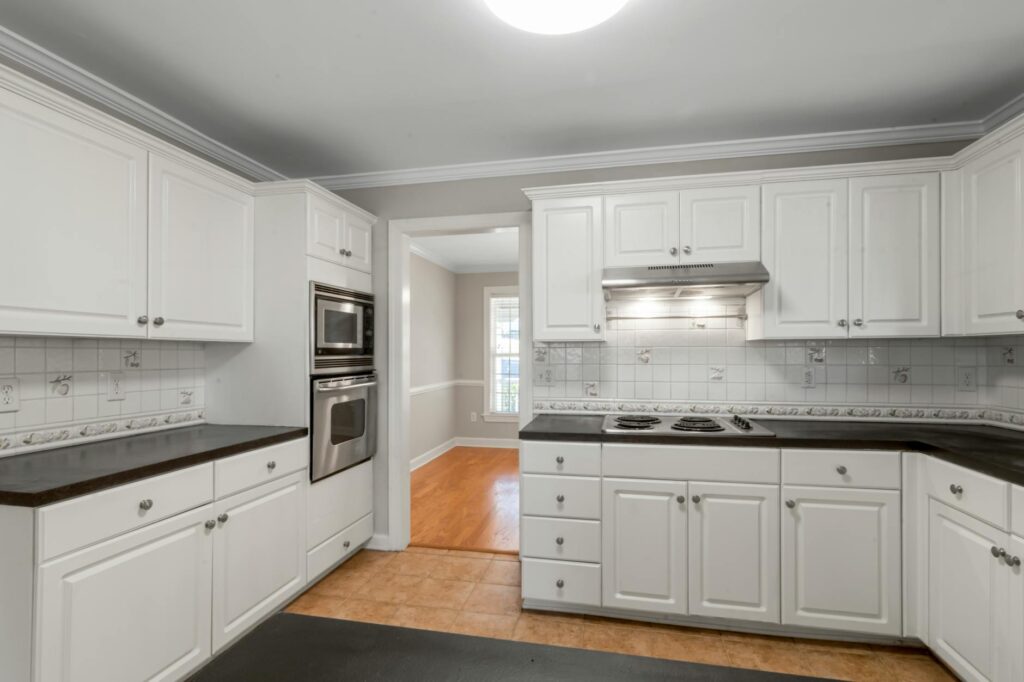
Kitchen Cabinet Mold Odours Guide Part 1
Introduction
Kitchen cabinets are essential for storage and organization, but they can also become a breeding ground for unwanted odours, especially when mold sets in. Mold thrives in damp, dark places, making kitchen cabinets a prime target. This guide will help you understand the causes of these odours, how to eliminate them, and how to prevent future problems.
What Causes Odours?
The primary cause of odours in kitchen cabinets is mold growth. Mold spores flourish in humid environments, especially where moisture accumulates, such as:
- Spills: Food and liquid spills can seep into cracks and crevices.
- Humidity: High humidity levels contribute to moisture buildup.
- Poor Ventilation: Lack of airflow allows dampness to linger.
- Old Food: Storing expired or forgotten items can lead to unpleasant smells.
- High Humidity: Humidity levels above 60% encourage mold growth.
- Temperature Fluctuations: Warm air can hold more moisture, leading to condensation in cooler cabinets.
- Poor Sealing: Cabinets that aren’t properly sealed can allow moisture to enter.
- Vinegar Solution: As mentioned, vinegar is a natural disinfectant and deodorizer. It’s a safe and effective way to combat mold odours.
- Baking Soda: This is a natural odour absorber. It’s particularly effective for lingering smells even after cleaning.
- Hydrogen Peroxide: For stubborn mold spots, mix equal parts hydrogen peroxide and water. Apply it directly to the mold, let it sit, then wipe clean.
- Essential Oils: Adding a few drops of tea tree oil or lavender oil to your cleaning solution can help mask and neutralize odours.
- Ignoring Humidity: Failing to address humidity levels can lead to recurring mold issues. Invest in a dehumidifier if needed.
- Using Harsh Chemicals: Bleach can kill mold but often doesn’t remove the underlying odours. It can also be harmful to your health.
- Not Drying Properly: Leaving cabinets damp after cleaning can result in mold returning quickly.
- Overloading Cabinets: Clutter can prevent airflow and trap moisture. Keep cabinets organized and not overcrowded.
- Maintain Low Humidity: Keep humidity levels below 60% using dehumidifiers and exhaust fans.
- Regular Cleaning: Clean cabinets every few months to remove any spills or dust that can attract moisture.
- Proper Ventilation: Ensure your kitchen is well-ventilated. Open windows or use exhaust fans during cooking.
- Seal Cracks: Check for gaps in cabinet seams where moisture can enter. Use caulk or sealant to close these areas.
- Store Food Properly: Use airtight containers for food storage to minimize spills and moisture.
Why This Problem Happens
Mold and mildew release volatile organic compounds (VOCs) that produce musty or sour odours. These odours can permeate your kitchen, making it uncomfortable. Understanding why this happens helps in addressing the root cause:
How to Fix Odours (Step-by-Step)
1. Empty the Cabinets: Remove all items from your cabinets. Check for expired food or spills.
2. Inspect for Mold: Look for visible signs of mold. If you find any, take note of the affected areas.
3. Create a Cleaning Solution: Mix equal parts of water and white vinegar in a spray bottle. Vinegar is effective at killing mold and neutralizing odours.
4. Wipe Down Surfaces: Spray the solution onto the moldy areas and wipe with a clean cloth. For tough spots, let the solution sit for 10-15 minutes before wiping.
5. Rinse and Dry: Use a damp cloth to wipe away vinegar residue, then dry the surfaces thoroughly to prevent future growth.
6. Air Out the Cabinets: Leave the cabinet doors open for a few hours to allow fresh air to circulate.
7. Use Baking Soda: Place an open box of baking soda or a small bowl of it in the cabinet to absorb any lingering smells.
Best Cleaning Methods
Common Mistakes to Avoid
Prevention Tips
Frequently Asked Questions
1. How do I know if I have mold in my cabinets?
Look for visible signs such as dark spots or a fuzzy texture on surfaces. If you detect a musty smell, it may also indicate mold presence.
2. Can I use bleach to remove mold odours?
While bleach can kill mold, it often doesn’t eliminate the smell. It’s better to use vinegar or baking soda for odour control.
3. How often should I clean my kitchen cabinets?
Aim for every three months to maintain cleanliness and prevent build-up of spills or moisture.
4. What should I do if the odour persists after cleaning?
If the smell lingers, consider checking for hidden mold or moisture sources. You may need to clean more thoroughly or replace affected items.
5. Can I use essential oils to prevent mold?
Yes, essential oils like tea tree or lavender can help deter mold growth. Add a few drops to your cleaning solutions or place them in cotton balls within cabinets.
6. What’s the best way to store food to prevent spills?
Use airtight containers and consider a shelf liner to catch any accidental spills. Regularly check for expired items to avoid lingering smells.
By following this guide, you can tackle kitchen cabinet mold odours effectively, ensuring a fresh and pleasant kitchen environment. Stay tuned for Part 2, where we’ll delve deeper into advanced cleaning techniques and solutions.