
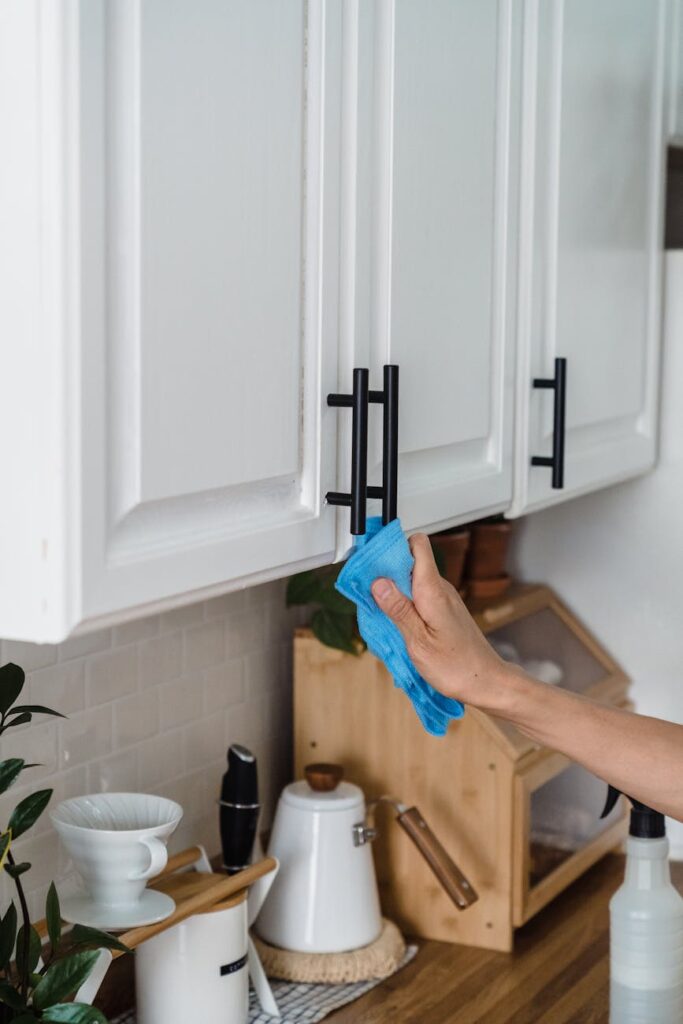
Kitchen Cabinet Mold Laundry Guide Part 2
Introduction
Kitchen cabinets are often overlooked when it comes to cleaning, but they can harbor mold, especially in moist areas. Mold not only looks unsightly but can also lead to unpleasant odors and potential health issues. This guide will help you understand what causes mold in your kitchen cabinets, how to effectively clean it, and how to prevent it from coming back.
What Causes Laundry?
The term “laundry” in this context refers to the accumulation of moisture and organic material that can lead to mold growth in your kitchen cabinets. This often happens when:
- Food spills: Leftover liquids and food particles can create a breeding ground for mold.
- Humidity: High humidity levels in kitchens contribute to moisture buildup.
- Poor ventilation: Lack of airflow can trap moisture in cabinets, promoting mold growth.
- Leaks: Water leaks from plumbing or appliances can seep into cabinets, creating damp conditions.
- Rubber gloves
- Face mask (optional)
- Bucket
- Warm water
- Mild dish soap
- White vinegar
- Baking soda
- Soft cloths or sponges
- Scrub brush
- Spray bottle
- Wipe down surfaces: Use a soft cloth or sponge dipped in the soapy water to wipe down all surfaces. For stubborn mold, apply the vinegar solution and let it sit for 10-15 minutes before wiping.
- Scrub if necessary: For tougher mold spots, use a scrub brush to gently scrub the area.
- Rinse and dry: After cleaning, rinse with clean water and dry the surfaces thoroughly.
- Mild Cases: For light mold growth, a solution of warm soapy water or vinegar is usually sufficient.
- Moderate Cases: Use a paste of baking soda and water for scrubbing. This is effective and non-toxic.
- Severe Cases: For extensive mold, consider using a commercial mold cleaner. Always follow the product instructions and ensure proper ventilation.
Why This Problem Happens
Understanding why mold develops in kitchen cabinets is crucial for effective cleaning and prevention. The following factors contribute to mold growth:
1. Organic Material: Mold thrives on organic materials like wood, paper, and food residues.
2. Temperature: Mold grows best in warm environments, which is typical in kitchens.
3. Moisture: Excess moisture is the primary catalyst. Activities like cooking and washing dishes can increase humidity and lead to mold.
4. Dark Spaces: Cabinets are often dark, providing an ideal environment for mold to flourish undisturbed.
How to Fix Laundry (Step-by-Step)
Step 1: Gather Your Supplies
Before you start cleaning, gather the following items:
Step 2: Remove Everything from the Cabinets
Clear out all items from your kitchen cabinets. This will give you a clear working space and allow you to assess the extent of the mold growth.
Step 3: Inspect for Mold
Check the interior surfaces of your cabinets for any visible mold. Look closely at corners and crevices where moisture might accumulate.
Step 4: Prepare Your Cleaning Solution
Mix a solution of warm water and mild dish soap. You can also create a stronger solution by combining equal parts of white vinegar and water in a spray bottle.
Step 5: Clean the Affected Areas
Step 6: Deodorize with Baking Soda
To eliminate any lingering odors, sprinkle baking soda inside the cabinets and let it sit for a few hours before vacuuming it out.
Step 7: Replace Items Carefully
Before putting items back into the cabinets, ensure they are clean and dry. This will prevent introducing more moisture and organic material.
Best Cleaning Methods
Different cleaning methods work better depending on the severity of the mold:
Common Mistakes to Avoid
1. Ignoring the Cause: Cleaning the mold without addressing the underlying moisture issue will result in a quick return.
2. Using Harsh Chemicals: Avoid bleach and strong chemicals as they can damage cabinet finishes and may not effectively kill mold spores.
3. Not Drying Completely: After cleaning, failing to dry the cabinets can lead to mold regrowth.
4. Putting Back Wet Items: Ensure all items are completely dry before returning them to the cabinets.
5. Neglecting Regular Maintenance: Mold can return quickly if cabinets are not cleaned regularly.
Prevention Tips
1. Maintain Low Humidity: Use a dehumidifier in your kitchen if humidity levels are high.
2. Improve Ventilation: Open windows or use exhaust fans while cooking to reduce moisture.
3. Seal Cabinets: Consider sealing the inside of your cabinets with a mold-resistant sealant.
4. Regular Cleaning: Wipe down cabinet interiors every few months to remove potential food residues and moisture.
5. Inspect Regularly: Periodically check for leaks and signs of mold growth.
Frequently Asked Questions
1. How can I tell if the mold is harmful?
Most household molds are not harmful, but it’s best to consult with a professional if you notice extensive growth or have health concerns.
2. Can I use bleach to clean mold from my cabinets?
Bleach is not recommended as it may damage the finish of your cabinets and does not effectively kill all mold spores.
3. How often should I clean my kitchen cabinets?
Aim to clean your kitchen cabinets at least every six months, or more frequently if you notice spills or moisture.
4. What if the mold keeps coming back?
If mold persists despite cleaning, check for leaks or consider consulting a mold remediation specialist.
5. Can I prevent mold with essential oils?
Certain essential oils, like tea tree oil, have mold-inhibiting properties. Adding a few drops to your cleaning solution can help.
6. Is there a way to remove mold stains from wood cabinets?
For stains, a mixture of baking soda and water can be effective. Scrub gently and rinse thoroughly.
By following this guide, you can tackle mold in your kitchen cabinets effectively and prevent it from returning, ensuring a clean and healthy kitchen environment.