
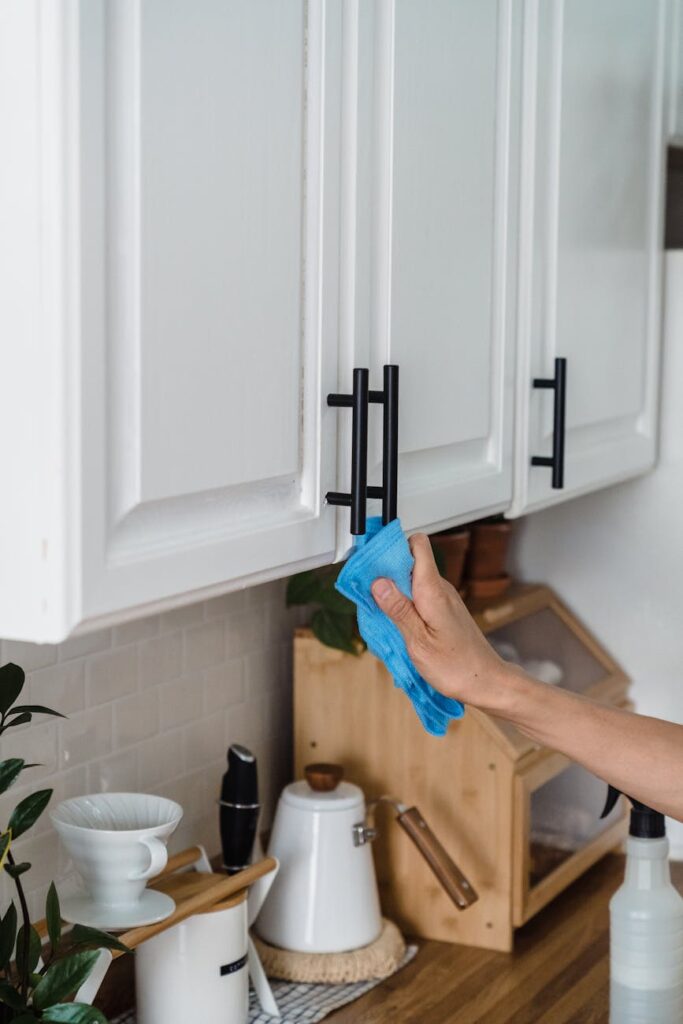
Kitchen Cabinet Mold Kitchen Guide Part 2
Introduction
Mold in kitchen cabinets is not just an unsightly nuisance; it can also lead to unpleasant odors and potential health issues. As a high-moisture area, the kitchen is prone to mold growth, especially in cabinets that are often overlooked. This guide will help you identify the causes of mold, provide step-by-step cleaning instructions, and share effective prevention tips.
What Causes Kitchen Mold?
Understanding the sources of mold is essential to tackle the problem effectively. Here are the primary causes:
1. High Humidity: Kitchens can have elevated moisture levels, especially when cooking or washing dishes.
2. Poor Ventilation: Lack of airflow allows moisture to accumulate, creating an ideal environment for mold.
3. Leaks and Spills: Water leaks from pipes or spills that aren’t cleaned up promptly can lead to mold growth.
4. Food Residue: Leftover food particles can attract moisture and contribute to mold development.
Why This Problem Happens
The kitchen environment is often warm and humid, particularly during cooking. When combined with organic material like food residues, it creates a perfect breeding ground for mold.
- Temperature Fluctuations: The heat from cooking can cause condensation inside cabinets.
- Infrequent Cleaning: Many homeowners don’t clean the insides of cabinets regularly, allowing mold to thrive unnoticed.
- Dark Spaces: Mold prefers dark environments; kitchens often have closed cabinets that limit light.
- Rubber gloves
- Face mask
- Bucket
- Warm water
- White vinegar or a mixture of water and dish soap
- Soft cloths or sponges
- A scrub brush
- Baking soda (optional)
- Dip a cloth or sponge into your cleaning solution.
- Wipe down the moldy areas, applying gentle pressure.
- For tough spots, use a scrub brush.
- Vinegar: Its acidity kills most mold species. Spray undiluted vinegar on affected areas and let it sit for an hour before wiping clean.
- Baking Soda: This natural abrasive can scrub away mold without damaging surfaces. Mix with water to form a paste.
- Hydrogen Peroxide: Another effective mold killer. Use a 3% solution, spray on the mold, let it sit for 10 minutes, and then wipe away.
- Ignoring the Source: Cleaning mold without addressing the underlying moisture problem will only allow it to return.
- Using Bleach: While effective on non-porous surfaces, bleach can worsen mold problems on porous surfaces by providing nutrients for spores.
- Not Wearing Protective Gear: Always wear gloves and a mask when cleaning mold to protect yourself from spores.
- Overlooking Hidden Areas: Don’t forget to check behind and beneath items in your cabinets.
How to Fix Kitchen Mold (Step-by-Step)
Cleaning mold from kitchen cabinets may seem daunting, but it’s manageable with the right approach. Here’s a step-by-step guide:
Step 1: Gather Your Supplies
You will need:
Step 2: Remove Contents
Take everything out of your cabinets. This allows you to clean all surfaces and check for mold in stored items.
Step 3: Inspect for Damage
Check for any signs of water damage or mold on the items you removed. Discard anything that is spoiled or heavily affected by mold.
Step 4: Prepare Your Cleaning Solution
Mix equal parts of warm water and white vinegar in a bucket. Alternatively, you can use a mixture of warm water and a few drops of dish soap.
Step 5: Clean the Affected Areas
Step 6: Rinse and Dry
After cleaning, rinse the area with clean water to remove any soap or vinegar residue. Use a dry cloth to thoroughly dry the surfaces.
Step 7: Optional Baking Soda Treatment
If mold persists, sprinkle baking soda on the affected areas, let it sit for a few hours, and then scrub it off.
Step 8: Replace Items
Once everything is clean and dry, replace the items in your cabinets. Consider using air-tight containers to store food items.
Best Cleaning Methods
Different cleaning methods can be effective against mold:
Common Mistakes to Avoid
Prevention Tips
Long-term prevention is key to keeping mold at bay:
1. Control Humidity: Use a dehumidifier or exhaust fan to reduce moisture levels in your kitchen.
2. Ventilation: Open windows and doors while cooking to improve airflow.
3. Regular Cleaning: Make it a habit to clean your cabinets every few months to prevent mold buildup.
4. Fix Leaks: Address any plumbing issues immediately to prevent moisture accumulation.
5. Store Food Properly: Use airtight containers for foods to minimize moisture exposure.
Frequently Asked Questions
1. Can I use bleach to clean mold from my kitchen cabinets?
Bleach is not recommended for porous surfaces like wood. It may kill visible mold but can leave spores behind, allowing mold to return.
2. How can I tell if mold is growing inside my cabinets?
Signs include a musty smell, visible discoloration on surfaces, or dampness. Check corners and hidden areas.
3. What should I do if mold returns after cleaning?
Reassess your humidity levels and check for leaks. If mold persists, consider consulting a professional mold remediation service.
4. Is mold in kitchen cabinets dangerous?
While not all mold is harmful, some varieties can produce allergens or irritants. It’s best to clean it promptly.
5. How often should I clean my kitchen cabinets to prevent mold?
Aim for a thorough cleaning every three to six months, and spot clean as needed.
6. Can I prevent mold without cleaning supplies?
Yes, regular ventilation and controlling humidity can help prevent mold growth. However, cleaning will still be necessary if mold is present.
By understanding the causes and taking proactive steps to clean and prevent mold, you can maintain a healthy kitchen environment. Keep your cabinets mold-free and enjoy a cleaner, safer space for cooking and gathering.