
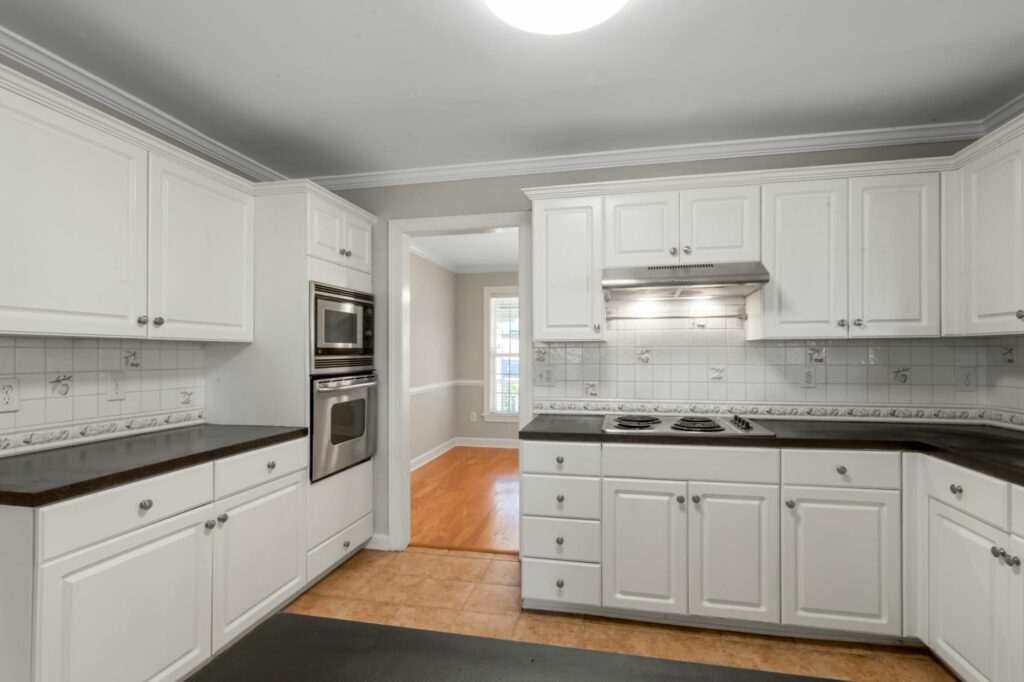
Kitchen Cabinet Mold Cleaning Guide Part 1
Introduction
Mold in kitchen cabinets can be a frustrating and unsightly problem for homeowners. Not only does it affect the appearance of your kitchen, but it can also pose potential risks to your health and the integrity of your cabinetry. This guide aims to provide you with clear, actionable steps to effectively clean and prevent mold growth in your kitchen cabinets.
What Causes Mold?
Mold thrives in damp, warm environments and can quickly take hold in kitchen cabinets if the conditions are right. Here are the primary factors contributing to mold growth:
1. Moisture: Leaks from pipes, spills, or humidity can create a damp environment.
2. Poor Ventilation: Lack of airflow can trap moisture inside cabinets.
3. Food Particles: Residues from food can provide nutrients for mold.
4. Temperature: Warm temperatures promote mold growth, especially in kitchens.
Why This Problem Happens
Understanding the root causes of mold can help you address the issue effectively. Here are some common reasons why mold develops in kitchen cabinets:
- Humidity Levels: High humidity can lead to condensation within cabinets, particularly in areas near stoves or dishwashers.
- Neglected Spills: Failing to clean up spills promptly can create a breeding ground for mold.
- Clutter: Storing items too tightly can obstruct airflow, keeping cabinets damp.
- Old Cabinets: Aging cabinets may have worn finishes that are less resistant to moisture.
- Rubber gloves
- Mask (to avoid inhaling mold spores)
- Scrub brush or sponge
- Bucket
- Dish soap
- White vinegar
- Baking soda
- Spray bottle
- Rags or paper towels
- Option 1: 1 cup of white vinegar mixed with 1 cup of water in a spray bottle.
- Option 2: 1 tablespoon of dish soap in a bucket of warm water.
How to Fix Mold (Step-by-Step)
Cleaning mold from kitchen cabinets requires a systematic approach. Here’s how to do it:
Step 1: Gather Supplies
Before starting, gather the necessary cleaning supplies:
Step 2: Remove Contents
Empty the cabinets completely. Take out dishes, food items, and any other contents. Inspect everything for signs of mold, and discard any contaminated items.
Step 3: Prepare Cleaning Solution
Mix a cleaning solution using:
Step 4: Scrub the Affected Areas
1. Spray or soak a sponge with your chosen cleaning solution.
2. Scrub the moldy areas thoroughly. Pay attention to corners and edges.
3. For stubborn mold, sprinkle baking soda directly on the mold before scrubbing.
Step 5: Rinse and Dry
1. Wipe the scrubbed areas with a damp rag to remove any residue.
2. Dry the surfaces completely with a clean towel. Ensure no moisture remains.
Step 6: Dispose of Waste
Dispose of any used cleaning materials and contaminated items properly.
Best Cleaning Methods
Different methods work for different mold situations. Here are some effective cleaning methods:
1. Vinegar Solution
Vinegar is a natural mold killer. Its acidity can help break down mold and prevent future growth. Spray the solution and let it sit for at least one hour before wiping.
2. Baking Soda Paste
Mix baking soda with water to form a paste. Apply it to moldy areas, let it sit for 10 minutes, then scrub. This method is great for tougher mold stains.
3. Commercial Mold Cleaners
If home remedies don’t work, consider using a commercial mold cleaner. Always follow the manufacturer’s instructions and ensure proper ventilation.
Common Mistakes to Avoid
Cleaning mold can be straightforward, but some common pitfalls can hinder your efforts. Avoid these mistakes:
1. Ignoring the Source: Don’t just clean; find and fix the source of moisture.
2. Using Bleach: While bleach can kill mold, it doesn’t prevent regrowth and can damage cabinet finishes.
3. Not Drying Properly: Failing to dry surfaces can lead to immediate regrowth.
4. Skipping Regular Maintenance: Regularly inspect cabinets for signs of moisture or mold.
Prevention Tips
Preventing mold growth is often easier than cleaning it. Here are some effective prevention tips:
1. Control Humidity: Use a dehumidifier in your kitchen to keep humidity levels low.
2. Improve Ventilation: Ensure your kitchen has adequate airflow. Open windows or install exhaust fans.
3. Wipe Down Regularly: Clean spills and moisture immediately to prevent mold growth.
4. Declutter: Keep your cabinets organized to allow for better airflow.
5. Seal Cabinets: Apply a moisture-resistant sealant to wooden cabinets to reduce absorption.
Frequently Asked Questions
1. How can I tell if mold is growing in my cabinets?
Look for discoloration, a musty smell, or visible black spots on surfaces.
2. Can I use bleach to clean mold from my cabinets?
While bleach can kill mold, it may not prevent regrowth and can damage finishes.
3. How often should I check for mold in my kitchen cabinets?
Inspect your cabinets at least once a month, especially after heavy cooking or if there’s been a spill.
4. Is mold in kitchen cabinets dangerous?
Yes, mold can pose health risks, especially for those with allergies or respiratory conditions.
5. What’s the best way to store food in kitchen cabinets?
Use airtight containers to minimize the risk of moisture and mold.
6. Can I prevent mold without special products?
Yes, regular cleaning, controlling humidity, and improving ventilation can significantly reduce the risk of mold growth.
—
By following this guide, you can tackle mold in your kitchen cabinets effectively and prevent its return. In the next part, we will explore more advanced techniques for persistent mold issues and how to maintain a healthy kitchen environment. Keep your kitchen clean and safe!