
Kitchen Cabinet Mold Appliances Guide Part 2
Introduction
Kitchen cabinets are crucial for organizing and storing kitchen appliances. However, they can become breeding grounds for mold if not properly maintained. This article will guide you through understanding the causes of mold on appliances, how to fix the problem step-by-step, and provide preventive measures.
What Causes Appliances?
Mold growth on kitchen appliances often stems from a combination of moisture, warmth, and the organic materials that may be present. Common appliances that can develop mold include:
- Refrigerators: Moisture from food spills or leaks can create an ideal environment for mold.
- Microwaves: Food residues can trap moisture, leading to a moldy interior.
- Dishwashers: Water accumulation and food particles can facilitate mold growth if not cleaned frequently.
- Toasters and Coffee Makers: Crumbs and water residue can contribute to mold if not regularly cleared.
- White vinegar or hydrogen peroxide
- Baking soda
- Dish soap
- Soft cloths or sponges
- Scrub brush
- Bucket
- Gloves
- Vinegar Solution: An effective natural disinfectant that kills mold spores.
- Baking Soda Paste: Combine baking soda and water to create a paste that can scrub tough mold stains.
- Steam Cleaning: Using a steam cleaner can effectively kill mold spores without chemicals.
- Commercial Mold Removers: If natural solutions don’t work, consider using a commercial mold cleaner, but check for safety around food.
Why This Problem Happens
Several factors contribute to mold growth on kitchen appliances:
1. Humidity: High humidity levels can lead to excess moisture, providing a perfect breeding ground for mold.
2. Poor Ventilation: Lack of airflow in kitchen cabinets may trap moisture, encouraging mold growth.
3. Food Residue: Spills and leftover food can create a nutrient source for mold.
4. Temperature Fluctuations: Appliances that aren’t consistently kept at the right temperatures may develop condensation, leading to mold.
How to Fix Appliances (Step-by-Step)
Step 1: Gather Your Supplies
Before starting the cleaning process, gather the following materials:
Step 2: Unplug Appliances
For safety, always unplug appliances before cleaning them to avoid any electrical hazards.
Step 3: Remove Loose Debris
Use a dry cloth or brush to remove any loose crumbs or debris from the surfaces of the appliances. Pay special attention to crevices and corners.
Step 4: Prepare Cleaning Solution
Mix equal parts of water and white vinegar or hydrogen peroxide in a bucket. This solution is effective at killing mold spores.
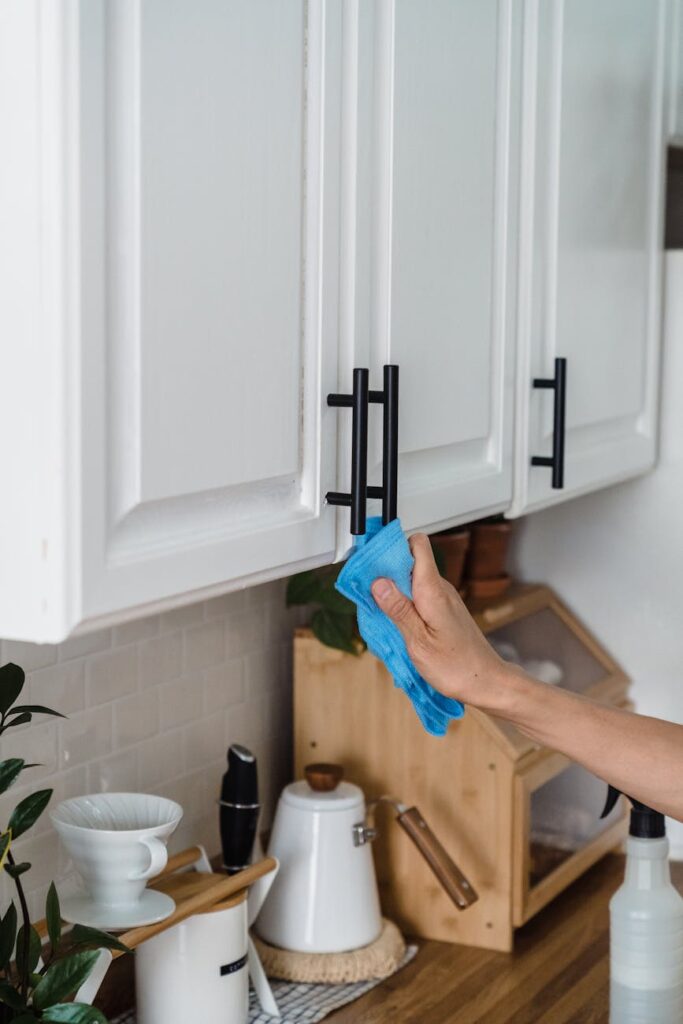
Step 5: Clean Surfaces
Dampen a cloth or sponge with the cleaning solution and wipe down all surfaces, including the exterior and interior of the appliances. For stubborn mold spots, sprinkle baking soda on the area and scrub gently with a brush.
Step 6: Rinse and Dry
After cleaning, rinse the surfaces with plain water to remove any cleaning residue. Use a dry cloth to thoroughly dry all surfaces, as moisture can lead to mold returning.
Step 7: Reassemble and Plug In
Once everything is clean and dry, reassemble any removable parts and plug the appliances back in.
Best Cleaning Methods
Common Mistakes to Avoid
1. Ignoring Hard-to-Reach Areas: Mold can hide in nooks and crannies; be thorough in your cleaning.
2. Using Inappropriate Cleaners: Avoid bleach, as it can produce harmful fumes in confined spaces.
3. Not Drying Properly: Failing to dry appliances can lead to mold returning quickly.
4. Neglecting Regular Maintenance: Regularly check appliances for spills and take action immediately to prevent mold.
Prevention Tips
1. Maintain Low Humidity: Use a dehumidifier or air conditioner to keep humidity levels low.
2. Ensure Proper Ventilation: Open cabinets periodically to allow airflow and reduce moisture buildup.
3. Wipe Down Appliances Regularly: Make it a habit to clean spills immediately to prevent mold growth.
4. Store Food Properly: Keep food sealed and stored appropriately to minimize spills and leaks.
5. Use Desiccants: Place silica gel packets in cabinets to absorb excess moisture.
Frequently Asked Questions
1. How often should I clean my kitchen appliances to prevent mold?
Aim to clean your kitchen appliances at least once a month, or more frequently if you notice spills or high humidity.
2. Can I use bleach to clean mold from appliances?
It’s best to avoid bleach, as it can create toxic fumes in enclosed spaces. Use vinegar or hydrogen peroxide instead.
3. What should I do if the mold returns after cleaning?
If mold keeps returning, check for underlying moisture issues, such as leaks or humidity, and address them immediately.
4. Is mold on appliances harmful?
While not all mold is harmful, some can trigger allergies or respiratory issues. It’s best to clean it promptly.
5. How can I keep my kitchen cabinets dry?
Ensure good ventilation, use dehumidifiers, and regularly check for leaks or spills.
6. Can mold affect the food stored in my appliances?
Yes, mold can contaminate food, so it’s important to clean appliances regularly and store food safely.
By following these practical steps and tips, you can effectively manage and prevent mold on your kitchen appliances, keeping your kitchen safe and clean.