
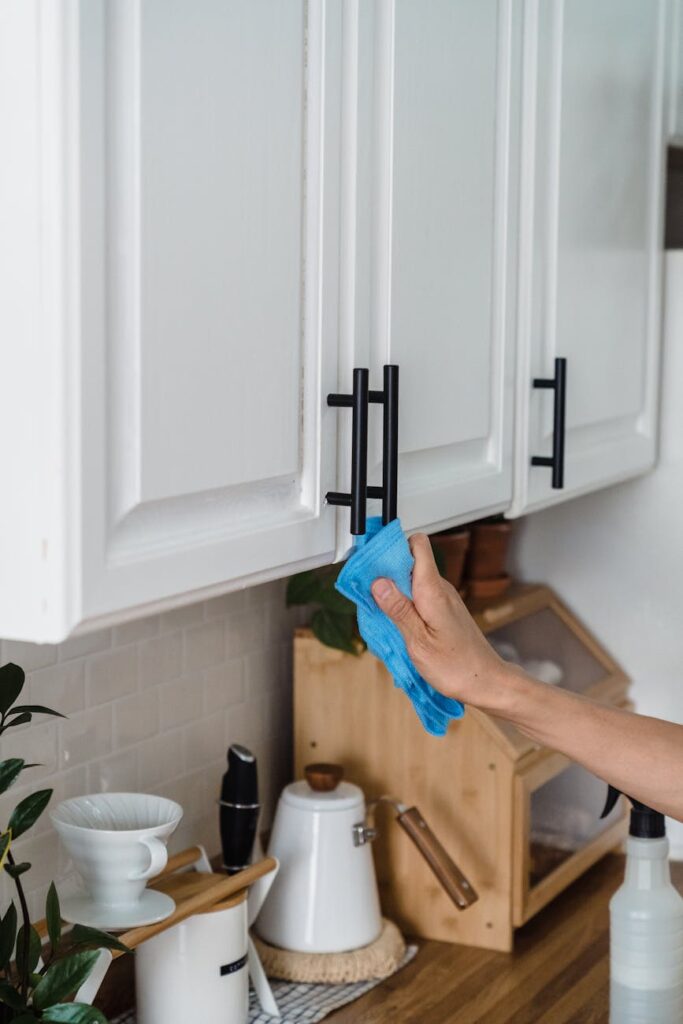
Kitchen Cabinet Mildew Odours Guide Part 2
Introduction
Kitchen cabinets are essential storage spaces, but they can also become breeding grounds for mildew and unpleasant odours. If you’ve noticed a musty smell emanating from your cabinets, it’s likely a sign of mildew growth. This guide will help you identify the causes of these odours, provide actionable steps to eliminate them, and offer preventive measures to keep your cabinets fresh.
What Causes Odours?
Mildew odours in kitchen cabinets are primarily caused by moisture and poor ventilation. Here are some common culprits:
- High Humidity: Excess moisture in the air can settle in closed cabinets, creating a damp environment for mildew.
- Food Spills: Spills that aren’t cleaned up can lead to mould growth.
- Poor Airflow: Cabinets without proper ventilation can trap humidity, promoting mildew.
- Old Items: Expired food or old spices can also contribute to unpleasant smells.
- Vinegar Solution: As mentioned, vinegar is a natural disinfectant and deodorizer.
- Baking Soda Paste: Mix baking soda with water to create a paste. Apply it to stubborn stains and leave it for 15-20 minutes before wiping off.
- Essential Oils: Adding a few drops of essential oils like tea tree or lemon oil to your cleaning solution can help mask and eliminate odours.
- Regular Cleaning: Schedule a deep clean every few months.
- Use Dehumidifiers: If your kitchen is prone to humidity, consider a dehumidifier.
- Ensure Ventilation: Keep cabinet doors open when possible to improve airflow.
- Store Food Properly: Use airtight containers for food items to prevent spills and moisture accumulation.
- Monitor Humidity Levels: Keep an eye on indoor humidity and invest in a hygrometer if needed.
Why This Problem Happens
Understanding why mildew odours develop is key to prevention and effective cleaning. Here are the main reasons:
1. Poor Maintenance: Regular cleaning is often overlooked, allowing mildew to thrive.
2. Location: Cabinets located near sinks or dishwashers can be more prone to moisture.
3. Lack of Sunlight: Dark, enclosed spaces are ideal for mildew growth since it thrives in low-light conditions.
4. Temperature Fluctuations: Changes in temperature can create condensation, increasing moisture levels.
How to Fix Odours (Step-by-Step)
Step 1: Empty the Cabinets
Start by removing everything from your cabinets. This includes dishes, food items, and any other contents.
Step 2: Identify and Remove Contaminants
Inspect items for signs of mildew or spoilage. Discard anything that is expired or shows signs of mould.
Step 3: Clean the Interior
1. Prepare a Cleaning Solution: Mix equal parts of water and white vinegar in a spray bottle.
2. Spray the Interior: Generously spray the cabinet interiors, focusing on corners and crevices.
3. Wipe Down: Use a microfiber cloth to wipe down surfaces. This helps to remove mildew and odours.
4. Rinse: Wipe again with a damp cloth to remove any vinegar residue.
Step 4: Dry the Cabinets
Use a clean, dry cloth to thoroughly dry the interior. If possible, leave the cabinet doors open for a few hours to allow for airflow.
Step 5: Use an Odour Absorber
Place an open box of baking soda or activated charcoal inside the cabinets to absorb any lingering smells. Leave it for at least a week for best results.
Best Cleaning Methods
For effective cleaning, consider these methods:
Common Mistakes to Avoid
1. Ignoring Spills: Not cleaning up spills promptly can lead to mildew growth.
2. Using Too Much Water: Excessive moisture can worsen mildew issues; always ensure cabinets are dried thoroughly.
3. Neglecting Regular Cleaning: Make cleaning a routine to prevent future problems.
4. Closing Cabinets Immediately After Cleaning: Allowing airflow is crucial for drying and preventing mildew.
Prevention Tips
To keep your kitchen cabinets free from mildew odours, follow these preventive measures:
Frequently Asked Questions
1. How often should I clean my kitchen cabinets to prevent mildew?
Aim for a deep clean every three to six months, with spot cleaning as needed.
2. Can I use bleach to clean mildew from my cabinets?
While bleach can kill mildew, it may not eliminate the odour. Additionally, it can damage finishes on your cabinets. Vinegar or baking soda are safer alternatives.
3. What’s the best way to remove odours from closed cabinets?
Using open boxes of baking soda or activated charcoal can effectively absorb lingering smells.
4. Can I prevent mildew in my kitchen cabinets?
Yes, regular cleaning, ensuring proper ventilation, and managing humidity levels are key to prevention.
5. Should I replace my cabinets if they smell bad?
Not necessarily. Most odours can be eliminated with proper cleaning and maintenance. However, if the wood is severely damaged, replacement may be necessary.
6. How can I tell if the smell is due to mildew?
A musty, damp smell is a common indicator of mildew. If you see dark spots or patches, that’s a sign of mildew growth.
By following the steps outlined in this guide, you can effectively tackle kitchen cabinet mildew odours and keep your storage spaces fresh and clean. Regular maintenance and good practices will ensure your kitchen remains a pleasant place to cook and enjoy meals.