
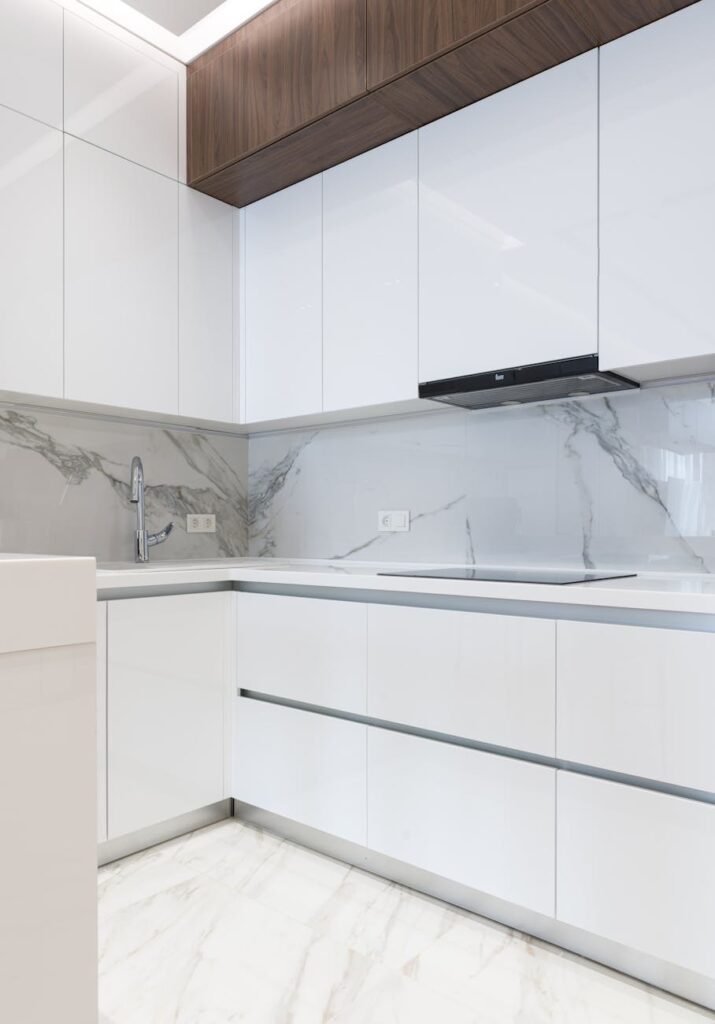
Kitchen Cabinet Mildew Odours Guide Part 1
Introduction
If you’ve opened your kitchen cabinets and been met with a musty smell, you’re not alone. Mildew can develop in damp, dark areas, particularly in a kitchen where moisture is prevalent. This article will guide you through understanding the causes of these odours, how to eliminate them effectively, and tips for preventing future occurrences.
What Causes Odours?
Mildew thrives in environments that are warm and humid. In the kitchen, this can be due to:
- Excess Moisture: Spills that go unnoticed, or steam from cooking can create an ideal breeding ground for mildew.
- Poor Ventilation: Lack of airflow allows humidity to linger, making it easier for mildew to develop.
- Food Residue: Crumbs or spills left in cabinets can attract moisture and contribute to odour.
- Temperature Fluctuations: Cooking raises humidity, and when the air cools, condensation can form inside cabinets.
- Clutter: Overstuffed cabinets trap moisture and restrict airflow.
- Neglected Areas: Areas that are not regularly cleaned can become hotspots for mildew growth.
- Vinegar and Water: This natural solution is effective against mildew and safe for most surfaces.
- Baking Soda Paste: For stubborn stains or odours, mix baking soda with a bit of water to create a paste. Apply it to the affected area, let it sit for 15 minutes, then scrub and rinse.
- Hydrogen Peroxide: A solution of hydrogen peroxide can also be effective against mildew. Use it in the same manner as vinegar, but test it on a small area first to ensure it doesn’t damage the finish.
- Ignoring the Source: Simply masking the odour with air fresheners won’t eliminate the mildew. Always address the root cause.
- Using Harsh Chemicals: Strong chemicals can damage cabinet finishes and may not be necessary for effective cleaning.
- Neglecting Regular Maintenance: Allowing spills and moisture to accumulate will lead to recurring problems. Regular cleaning is essential.
- Improve Ventilation: Ensure your kitchen has adequate airflow. Consider using exhaust fans while cooking.
- Monitor Humidity: Use a dehumidifier if your kitchen tends to stay damp.
- Seal Cabinets: If possible, seal wooden cabinets with a protective finish to prevent moisture absorption.
- Regular Cleaning: Establish a routine cleaning schedule for your kitchen, focusing on areas that are prone to moisture.
Understanding these triggers is crucial for effective remediation.
Why This Problem Happens
Mildew forms when moisture combines with organic materials, like food particles or wood. Kitchens are particularly susceptible because:
By identifying these underlying issues, homeowners can take targeted action.
How to Fix Odours (Step-by-Step)
1. Empty the Cabinets: Start by removing all items from the affected cabinets. This will give you a clear space to work and allow you to inspect items for any signs of mildew.
2. Check for Spoilage: Look for any spoiled food or items that could be contributing to the odour. Discard anything that appears questionable.
3. Clean the Interior: Use a mixture of equal parts water and white vinegar in a spray bottle. Spray the solution inside the cabinets and wipe down with a clean cloth. Vinegar is effective at killing mildew and neutralizing odours.
4. Dry Thoroughly: After cleaning, ensure that the cabinets are completely dry. Use a fan or leave the doors open for several hours to facilitate drying.
5. Deodorize: Place an open box of baking soda or activated charcoal in the cabinet to absorb any lingering smells.
6. Reorganize Items: As you place items back, consider using airtight containers to minimize exposure to moisture.
Best Cleaning Methods
Common Mistakes to Avoid
Prevention Tips
Frequently Asked Questions
1. How can I tell if my cabinets have mildew?
Look for a musty smell, discoloration, or a fuzzy texture on surfaces.
2. Can I use bleach to clean mildew?
While bleach can kill mildew, it may also damage the finish of your cabinets. Stick to vinegar or natural solutions for safer cleaning.
3. How often should I clean my kitchen cabinets?
Aim for a thorough cleaning every few months, but wipe down high-use areas regularly.
4. What items are most prone to mildew in cabinets?
Items that are moist or contain organic material, such as spices, grains, and even cleaning supplies, can attract mildew.
5. Will a box of baking soda eliminate all odours?
While baking soda is effective at absorbing smells, it’s best used in conjunction with proper cleaning.
6. Is it necessary to replace my cabinets if they smell?
Not necessarily. Many odours can be eliminated with thorough cleaning and prevention strategies. However, if there is severe damage, replacement may be needed.
By understanding and addressing kitchen cabinet mildew odours, you can create a fresher, healthier kitchen environment. Keep an eye on moisture levels and maintain a regular cleaning schedule to prevent future odours. Stay tuned for Part 2 for more insights on tackling this common household issue!