
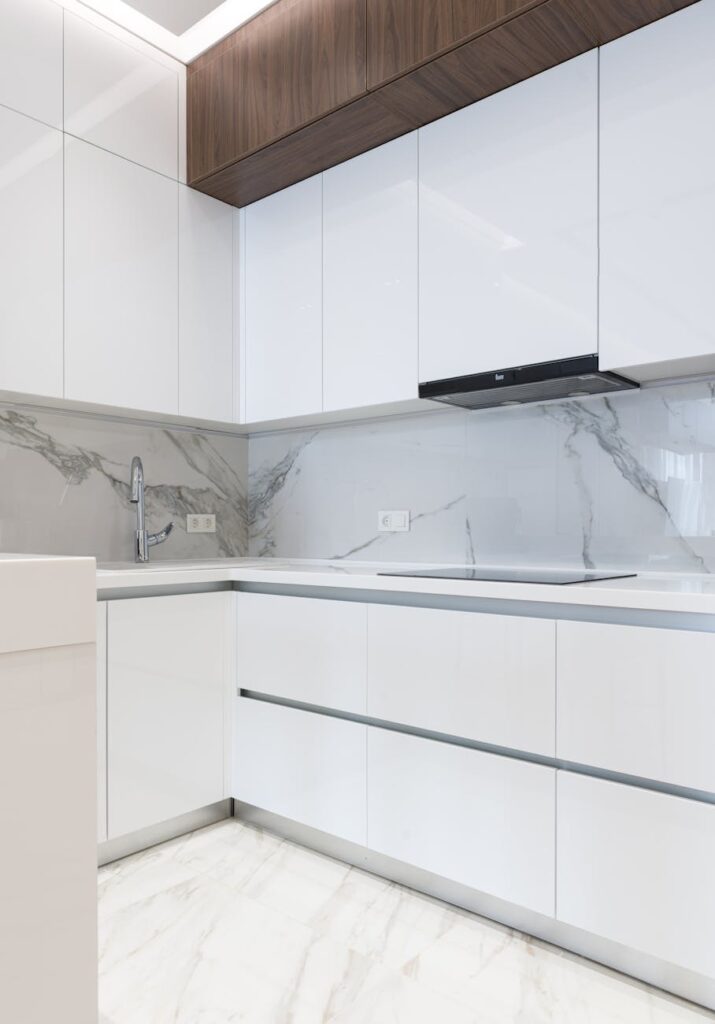
Kitchen Cabinet Mildew Mould & Damp Guide Part 1
Introduction
Mould and damp in kitchen cabinets can be a frustrating and unsightly problem for homeowners. Not only does it pose aesthetic challenges, but it can also affect the integrity of your cabinetry and the overall cleanliness of your kitchen. In this guide, we’ll explore the causes of mould and damp, how to effectively clean it, and tips to prevent it from returning.
What Causes Mould & Damp?
Mould thrives in warm, damp environments. In kitchens, several factors contribute to mould growth:
- High Humidity: Kitchens generate steam from cooking, which can lead to high humidity levels.
- Poor Ventilation: Lack of airflow allows moisture to accumulate.
- Water Leaks: Any leaks from plumbing or appliances can create damp conditions.
- Condensation: Temperature differences between the inside and outside of cabinets can cause condensation.
- Organic Material: Food particles or spills left unattended can provide a food source for mould.
- Rubber gloves
- A mask (to avoid inhaling spores)
- Spray bottle
- White vinegar or a commercial mould remover
- Soft cloths or sponges
- Scrub brush (for stubborn patches)
- Baking soda (optional)
- If using vinegar, fill a spray bottle with undiluted white vinegar.
- For commercial mould removers, follow the manufacturer’s instructions.
- Vinegar Solution: White vinegar is a natural mould killer. It’s effective and safe to use without harmful chemicals.
- Baking Soda Paste: Mix baking soda with a small amount of water to create a paste. Apply it to mouldy areas and scrub; it’s a gentle abrasive that can lift stubborn stains.
- Commercial Cleaners: For severe infestations, opt for a commercial mould remover. Look for products specifically designed for kitchen use.
- Hydrogen Peroxide: This can also be used as a cleaning agent. Apply it to the mould and let it sit before scrubbing.
- Ignoring the Source: Cleaning mould without addressing the underlying moisture issue will only lead to recurrence.
- Using Bleach: While bleach can kill mould on non-porous surfaces, it can actually encourage growth on porous materials like wood.
- Not Wearing Protection: Always wear gloves and a mask to protect yourself from mould spores.
- Neglecting Drying: Failing to dry the area thoroughly after cleaning can create a prime environment for mould to return.
- Overlooking Items: Don’t forget to check and clean items stored inside the cabinets, as they can also harbour mould spores.
- Improve Ventilation: Open windows or use exhaust fans while cooking to reduce humidity.
- Regular Cleaning: Wipe down cabinets regularly to remove moisture and food residues.
- Control Humidity: Use a dehumidifier if your home is particularly humid.
- Seal Cabinets: Consider applying a sealant to wooden cabinets to create a barrier against moisture.
- Store Foods Properly: Keep food items sealed and avoid storing damp or wet items in cabinets.
Understanding these causes will help you tackle the problem more effectively.
Why This Problem Happens
Mould and damp often occur in kitchen cabinets because they are typically closed spaces, limiting airflow. When combined with moisture from cooking and cleaning, these conditions become ideal for mould growth. Cabinets that are not regularly cleaned or that have accumulated spills and crumbs are particularly susceptible.
Additionally, if your kitchen is located in a humid environment or if you frequently cook with steam, the likelihood of experiencing mould increases.
How to Fix Mould & Damp (Step-by-Step)
1. Gather Your Supplies: You will need:
2. Empty the Cabinets: Remove all items from the cabinets. This will allow you to clean thoroughly and inspect for any damaged items.
3. Inspect the Area: Check for leaks or sources of moisture. Fix any plumbing issues before proceeding.
4. Prepare the Cleaning Solution:
5. Apply the Solution: Spray the affected areas generously. Ensure the mould is saturated for effective removal.
6. Let It Sit: Allow the solution to sit for at least 10-15 minutes. This gives it time to penetrate and kill the mould.
7. Scrub the Area: Use a soft cloth or sponge to wipe away mould. For stubborn spots, a scrub brush may be necessary.
8. Rinse and Dry: Wipe the area with a damp cloth to remove any residue. Ensure the cabinets are thoroughly dried to prevent future growth.
9. Check for Damage: Inspect the wood and structure of the cabinets. If there’s significant damage, consider consulting a professional.
Best Cleaning Methods
Common Mistakes to Avoid
Prevention Tips
Frequently Asked Questions
1. How can I tell if the mould is dangerous?
While most kitchen mould is not harmful, some can be toxic. If you notice a strong odor or have health concerns, consult a professional.
2. Can I paint over mould?
No, painting over mould will not solve the problem. It’s essential to clean the area before painting.
3. How often should I check my cabinets for mould?
Regular inspections every few months, especially in humid seasons, can help catch mould early.
4. What should I do if my cabinets are severely damaged?
If you find significant damage, it’s best to consult a professional contractor for assessment and repairs.
5. Can I use essential oils to prevent mould?
Some essential oils, like tea tree oil, have antifungal properties. However, they should not replace thorough cleaning and preventive measures.
6. Is it safe to use vinegar around food?
Yes, vinegar is a natural cleaning agent and safe for food preparation areas when rinsed properly.
By following this guide, you can effectively address mould and damp issues in your kitchen cabinets and maintain a clean, healthy kitchen environment. Stay tuned for Part 2, where we’ll delve deeper into advanced techniques and products for mould prevention.