
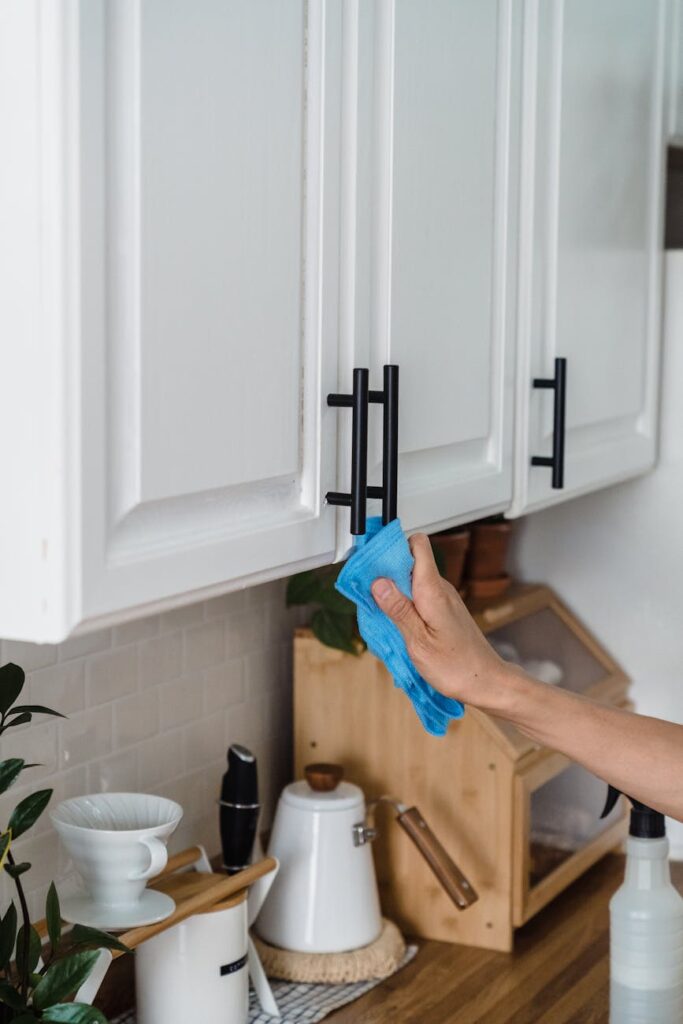
Kitchen Cabinet Mildew Laundry Guide Part 2
Introduction
Mildew in kitchen cabinets can be a frustrating issue, especially when it starts affecting your laundry. This guide will help you understand what causes mildew, why it develops, and how to effectively address it. We’ll provide actionable steps to help you restore cleanliness to your kitchen cabinets and prevent future outbreaks.
What Causes Mildew?
Mildew thrives in damp, warm, and poorly ventilated areas. In kitchens, it often develops in cabinets due to various factors:
1. Humidity: High humidity levels in kitchens can lead to moisture accumulation.
2. Spills: Food or liquid spills that aren’t cleaned promptly can promote mildew growth.
3. Condensation: Poor insulation or lack of ventilation can cause moisture buildup, especially during cooking.
4. Poor Maintenance: Infrequent cleaning allows mildew spores to settle and proliferate.
Why This Problem Happens
Understanding the root causes of mildew in kitchen cabinets is essential for effective cleaning. Here are the main reasons:
- Environmental Factors: Kitchens are naturally humid due to cooking and cleaning. If your kitchen lacks proper ventilation, it can create an ideal breeding ground for mildew.
- Material Composition: Wood and particleboard are common materials for cabinets, but they can absorb moisture and harbor mildew if not properly treated or maintained.
- Neglected Spaces: Areas that are hard to reach or see are often overlooked during regular cleaning, allowing mildew to grow unnoticed.
- Rubber gloves
- Face mask
- Soft cloths or sponges
- A bucket
- White vinegar or a commercial mildew remover
- Baking soda (optional)
- A scrub brush
- An old toothbrush for crevices
- A spray bottle
- Vinegar: A natural disinfectant that effectively kills mildew spores.
- Baking Soda: Acts as a gentle abrasive that can scrub away mildew without scratching surfaces.
- Commercial Cleaners: For tough mildew, opt for store-bought mildew removers that contain fungicides.
- Improve Ventilation: Install exhaust fans or open windows while cooking to reduce humidity levels.
- Regular Cleaning: Frequently wipe down cabinet surfaces, especially after spills.
- Use Dehumidifiers: In particularly humid climates, consider using a dehumidifier in the kitchen.
- Seal Cabinets: If you have wood cabinets, applying a sealant can help prevent moisture absorption.
- Store Properly: Use airtight containers for food storage to minimize spills and moisture.
How to Fix Mildew (Step-by-Step)
If you discover mildew in your kitchen cabinets, follow these steps for a thorough cleaning:
Step 1: Gather Supplies
You’ll need:
Step 2: Empty the Cabinets
Remove all items from the cabinets. Check for any damaged or spoiled food and dispose of it properly.
Step 3: Prepare Your Cleaning Solution
If you’re using white vinegar, mix equal parts vinegar and water in a spray bottle. For tougher mildew, consider a commercial mildew remover. Baking soda can be used as a gentle abrasive for scrubbing.
Step 4: Apply the Cleaning Solution
Spray the affected areas with your cleaning solution. Allow it to sit for about 10-15 minutes to penetrate the mildew.
Step 5: Scrub the Mildew
Using a soft cloth or sponge, gently scrub the mildew-affected areas. For tight spots, use an old toothbrush. Be thorough but gentle to avoid damaging the cabinet surface.
Step 6: Rinse and Dry
Wipe the cabinets with a damp cloth to remove any residue from the cleaning solution. Ensure all surfaces are thoroughly dried with a clean, dry cloth or towel.
Step 7: Replace Items Carefully
Before placing items back in the cabinets, make sure they are clean and dry. Consider using airtight containers to prevent future mildew growth.
Best Cleaning Methods
Different methods can be effective depending on the severity of the mildew:
Common Mistakes to Avoid
When cleaning mildew from kitchen cabinets, avoid these pitfalls:
1. Ignoring Ventilation: Always ensure the area is well-ventilated while cleaning to avoid inhaling spores.
2. Using Too Much Water: Excess moisture can worsen mildew problems. Always wring out cloths thoroughly.
3. Not Testing Cleaners: Before applying any cleaner, test it on a small, inconspicuous area to ensure it doesn’t damage the surface.
4. Skipping Regular Maintenance: Regular cleaning can prevent severe mildew issues from developing.
Prevention Tips
To keep mildew at bay, consider these preventive strategies:
Frequently Asked Questions
1. How can I tell if I have mildew or mold in my kitchen cabinets?
Mildew appears as a thin, powdery layer, often white or gray, while mold is usually thicker and can be black, green, or blue. Both have a musty odor.
2. Can I use bleach to clean mildew from my cabinets?
While bleach can kill mildew, it may damage certain surfaces and doesn’t always eliminate the spores. Consider using vinegar or a commercial mildew remover instead.
3. How often should I clean my kitchen cabinets to prevent mildew?
Regular cleaning every few months, or more frequently if you cook often, can help prevent mildew buildup.
4. Is it safe to clean mildew if I’m pregnant or have respiratory issues?
It’s best to consult a professional or avoid harsh chemicals. Using natural cleaners like vinegar and ensuring good ventilation can help.
5. Can I prevent mildew by using scented candles or air fresheners?
While these may mask odors, they do not address the moisture problem. Focus on reducing humidity and improving ventilation for effective prevention.
6. What should I do if the mildew returns after cleaning?
If mildew returns, it may indicate a more significant moisture issue. Check for leaks or excess humidity and consider consulting a professional if the problem persists.
By following these practical steps, you can effectively tackle mildew in your kitchen cabinets and prevent it from returning. A clean, mildew-free kitchen not only looks better but also contributes to a healthier home environment.