
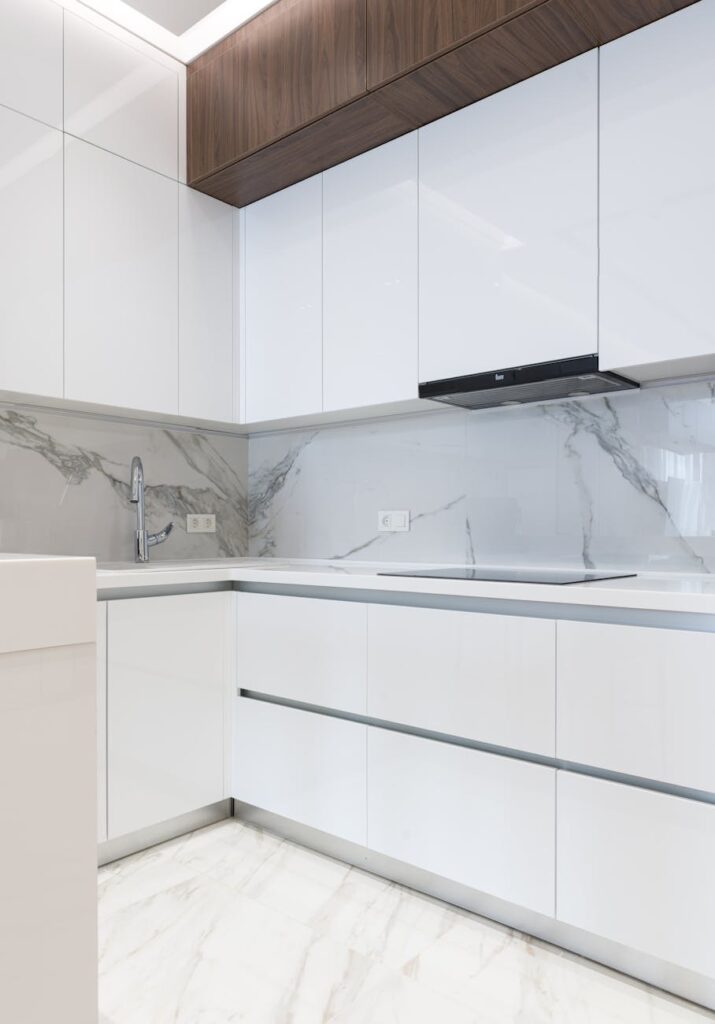
Kitchen Cabinet Mildew Laundry Guide Part 1
Introduction
Kitchen cabinets are a vital part of any home, serving as storage for utensils, dishes, and food items. However, they can also become breeding grounds for mildew if not properly maintained. This guide will help you understand the causes of mildew in your kitchen cabinets, how to effectively clean it, and how to prevent it from returning.
What Causes Mildew?
Mildew is a type of fungus that thrives in warm, moist environments. In the kitchen, several factors can contribute to the growth of mildew inside your cabinets:
- Humidity: High humidity levels create an ideal environment for mildew.
- Poor Ventilation: Lack of airflow can trap moisture in cabinets, promoting mildew growth.
- Spills and Residues: Food spills or moisture from dishes can lead to mildew if not cleaned promptly.
- Condensation: Steam from cooking can condense on cabinet surfaces, leading to dampness.
- Rubber gloves
- A mask (to prevent inhalation of spores)
- Soft cloths or sponges
- A bucket
- Warm water
- White vinegar or a mildew cleaner
- Baking soda (optional for tough stains)
- Vinegar Solution: A natural and effective mildew killer. The acidity in vinegar helps break down mold spores.
- Baking Soda Paste: For tough stains, combine baking soda with water to create a paste. Apply it to the area and scrub gently.
- Commercial Cleaners: If natural methods fail, consider using commercial mildew removers, but always follow safety instructions.
- Steam Cleaning: A steam cleaner can effectively kill mildew without the use of harsh chemicals, making it a safe option for kitchens.
- Control Humidity: Use a dehumidifier in your kitchen if humidity is a consistent issue.
- Improve Ventilation: Ensure your kitchen has adequate airflow, especially when cooking.
- Regular Cleaning: Establish a routine for cleaning your cabinets; a quick wipe-down can prevent buildup.
- Seal Cabinets: Apply a protective sealant to wooden cabinets to make them more resistant to moisture.
- Avoid Storing Wet Items: Ensure all dishes and utensils are completely dry before putting them away.
Why This Problem Happens
Understanding why mildew appears can help in tackling the issue more effectively. Here are the main reasons:
1. Consistent Moisture: If your kitchen generates steam or has leaks, moisture can accumulate.
2. Lack of Cleaning: Infrequent cleaning can allow organic materials to build up, providing food for mildew.
3. Dark Spaces: Mildew thrives in dark environments, making kitchen cabinets an ideal spot.
4. Poor Maintenance: Failure to address minor issues like leaks or spills can lead to bigger problems.
How to Fix Mildew (Step-by-Step)
Step 1: Gather Your Supplies
You will need:
Step 2: Remove Contents
Take everything out of the cabinets. This allows you to clean thoroughly and assess any items that may also be affected by mildew.
Step 3: Inspect for Damage
Check for any signs of water damage or mold on the items you removed. Discard anything that is beyond saving.
Step 4: Prepare Your Cleaning Solution
For a natural cleaning solution, mix equal parts of water and white vinegar in a bucket. Alternatively, use a commercial mildew cleaner as per instructions.
Step 5: Clean Surfaces
Dampen a cloth or sponge in the cleaning solution and wipe down the cabinet surfaces, paying special attention to corners and hinges where mildew tends to gather.
Step 6: Rinse and Dry
After cleaning, rinse with warm water and a clean cloth to remove any residue. Make sure to dry surfaces thoroughly, as moisture can lead to mildew returning.
Step 7: Reorganize Contents
Before placing items back in the cabinets, ensure they are dry. This is also an excellent opportunity to organize and discard any unnecessary items.
Best Cleaning Methods
Common Mistakes to Avoid
1. Skipping the Drying Step: Failing to dry surfaces can lead to mildew returning quickly.
2. Using Harsh Chemicals: Some strong cleaners may damage cabinetry finishes. Always test a small area first.
3. Ignoring the Source of Moisture: If the root cause of moisture isn’t addressed, mildew will return.
4. Neglecting Regular Maintenance: Regularly checking and cleaning your cabinets can prevent mildew from taking hold.
Prevention Tips
Frequently Asked Questions
1. Can I remove mildew with just soap and water?
While soap and water can help with light mildew, using a vinegar solution or a commercial cleaner is more effective for stubborn mildew.
2. How often should I clean my kitchen cabinets?
It’s wise to clean kitchen cabinets at least once a month, or more frequently if spills or moisture are common.
3. What if the mildew keeps coming back?
If mildew persists, investigate potential moisture sources, such as leaks or high humidity, and consider consulting a professional.
4. Is mildew harmful to my health?
While mildew can be irritating, especially for those with allergies, it’s best to keep your environment clean to avoid health issues.
5. Can I use bleach to clean mildew?
While bleach can kill mildew, it may not be the best choice for kitchen cabinets due to potential damage to finishes and its strong fumes.
6. How can I tell if my cabinets have mildew?
Signs include a musty smell, visible dark spots, or a slimy texture on the surfaces.
By following this guide, you can effectively tackle mildew in your kitchen cabinets, ensuring a cleaner and healthier kitchen environment. Stay tuned for Part 2, where we will discuss advanced cleaning techniques and long-term maintenance strategies!