
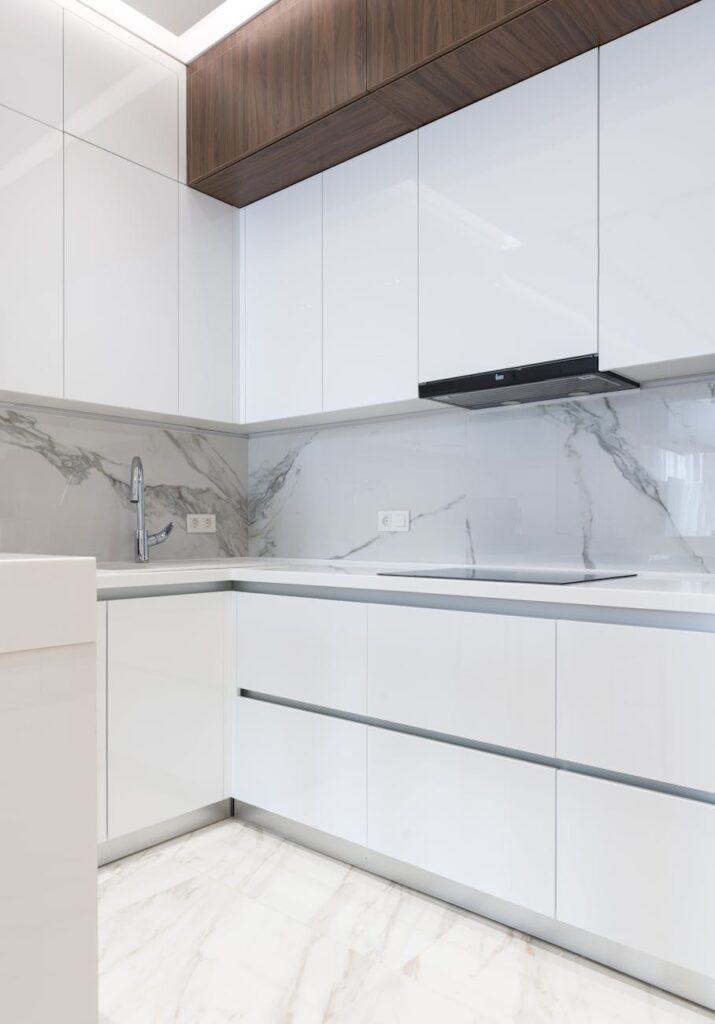
Kitchen Cabinet Mildew Cleaning Guide Part 1
Introduction
Mildew in kitchen cabinets is a common issue that can arise in any home. This problem not only affects the aesthetics of your kitchen but can also pose a risk to the integrity of your cabinets and the safety of your food. In this guide, we will explore the causes of mildew, how to effectively clean it, and tips for preventing its return.
What Causes Mildew?
Mildew thrives in damp, warm environments, making kitchens a prime breeding ground. Here are a few factors that contribute to mildew growth in kitchen cabinets:
1. Humidity: High humidity levels create a damp environment that encourages mildew.
2. Poor Ventilation: Lack of air circulation can trap moisture in cabinets.
3. Food Spills: Uncleaned spills can provide a nutrient source for mildew.
4. Condensation: Water from cooking can condense on cabinet surfaces.
5. Leaky Pipes: Plumbing issues can lead to moisture accumulation.
Understanding these causes can help you tackle the problem effectively and prevent it from recurring.
Why This Problem Happens
Mildew is a type of fungus that reproduces through spores. In kitchens, it can develop rapidly when conditions are favorable. Here’s why your cabinets might be affected:
- Dark Spaces: Cabinets often lack light, which allows mildew to grow unchecked.
- Organic Matter: Food particles can promote growth if not cleaned properly.
- Neglected Areas: Hard-to-reach spots often get overlooked during regular cleaning.
- Mild detergent
- White vinegar or a commercial mildew cleaner
- Baking soda (optional)
- Soft scrub brush or sponge
- Microfiber cloths
- Bucket
- Gloves (optional)
- Ignoring the Source: Failing to address humidity or leaks will only lead to recurring mildew.
- Using Harsh Chemicals: Strong chemicals can damage the finish of your cabinets. Stick to milder solutions.
- Skipping Drying: Not allowing cabinets to dry completely can create an environment for mildew to return.
- Neglecting Regular Maintenance: A one-time clean is not enough. Regular maintenance is essential for prevention.
Addressing these conditions is key to eliminating the mildew problem and ensuring it does not return.
How to Fix Mildew (Step-by-Step)
Cleaning mildew from kitchen cabinets is straightforward if you follow these steps:
Step 1: Gather Supplies
You will need:
Step 2: Remove Contents
Take everything out of your cabinets. This allows you to clean thoroughly and assess any items that may be affected by mildew.
Step 3: Inspect and Dispose
Check all items for signs of mildew. Discard any food that shows signs of spoilage or contamination.
Step 4: Prepare Cleaning Solution
Mix a solution of warm water and mild detergent in a bucket. For tough mildew, mix equal parts of white vinegar and water instead.
Step 5: Apply the Solution
Using a sponge or soft scrub brush, apply the cleaning solution to the affected areas. Be thorough, focusing on corners and crevices where mildew may accumulate.
Step 6: Scrub Gently
Scrub the surfaces gently to remove mildew. Avoid abrasive materials that can damage the finish of your cabinets.
Step 7: Rinse and Dry
After scrubbing, rinse with clean water. Wipe down the surfaces with a microfiber cloth to remove excess moisture.
Step 8: Air Out the Cabinets
Leave the cabinet doors open for a few hours to ensure they dry completely. This step is crucial to preventing mildew from returning.
Best Cleaning Methods
There are several effective methods for cleaning mildew from kitchen cabinets. Here are some of the best:
1. Vinegar Solution
Vinegar is a natural antifungal agent. Spray a solution of equal parts vinegar and water on the affected areas, let it sit for 10-15 minutes, then scrub and rinse.
2. Baking Soda Paste
For stubborn mildew, create a paste with baking soda and water. Apply it to the mildew, let it sit for an hour, then scrub and rinse.
3. Commercial Cleaners
If natural solutions don’t work, consider a commercial mildew cleaner. Always follow the manufacturer’s instructions and test on a small area first.
Common Mistakes to Avoid
Avoid these pitfalls when dealing with kitchen cabinet mildew:
Prevention Tips
Preventing mildew is easier than dealing with it once it appears. Here are some effective strategies:
1. Control Humidity: Use a dehumidifier in your kitchen if humidity is high.
2. Ensure Good Ventilation: Open windows or use exhaust fans while cooking to improve air circulation.
3. Regular Cleaning: Wipe down cabinet surfaces monthly to remove moisture and food particles.
4. Seal Cabinets: Consider applying a protective sealant to the cabinet surfaces to create a barrier against moisture.
5. Use Moisture Absorbers: Place silica gel packets or activated charcoal in your cabinets to absorb excess moisture.
Frequently Asked Questions
1. How often should I clean my kitchen cabinets to prevent mildew?
Cleaning your kitchen cabinets once a month is recommended to keep mildew at bay.
2. Can I use bleach to clean mildew from my cabinets?
While bleach can kill mildew, it may damage the finish of your cabinets. Use milder solutions whenever possible.
3. What should I do if the mildew keeps returning?
Investigate potential sources of moisture, such as leaks or high humidity, and address them before cleaning again.
4. Is mildew harmful to my health?
While not typically harmful, prolonged exposure to mildew can trigger allergies and respiratory issues in some individuals.
5. Are there any natural alternatives to commercial mildew cleaners?
Yes, vinegar and baking soda are effective natural alternatives for cleaning mildew.
6. Can I prevent mildew by using air fresheners?
Air fresheners may mask odors but won’t prevent mildew. Focus on controlling humidity and improving ventilation instead.
—
By following this guide, you can effectively tackle mildew in your kitchen cabinets and prevent it from becoming a recurring issue. Stay proactive about cleaning and maintaining your kitchen to ensure a healthy and inviting space.