
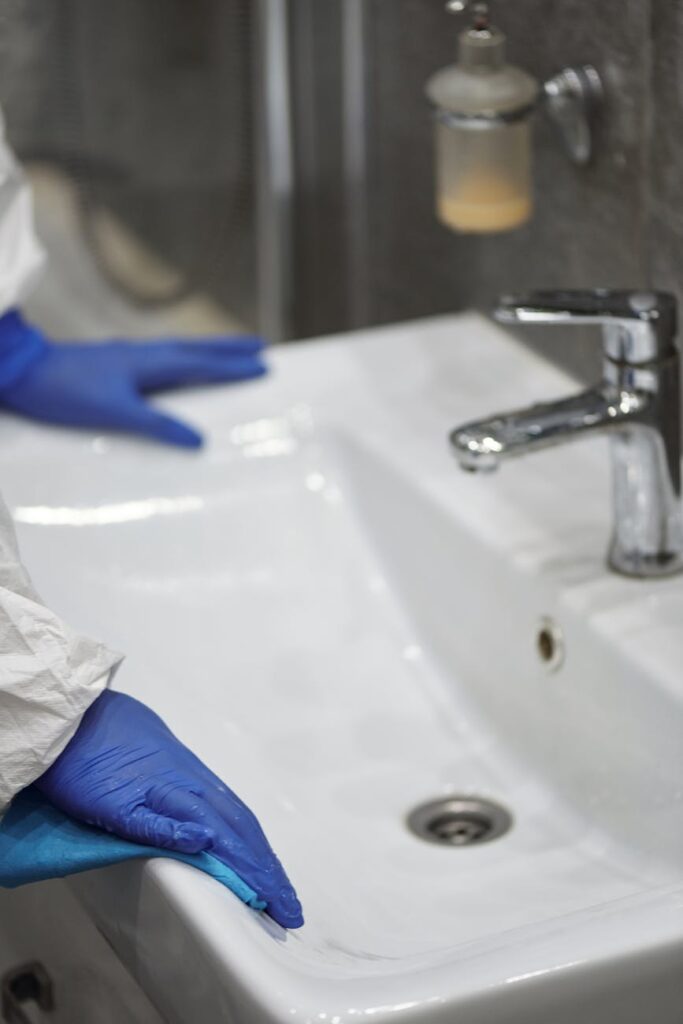
How to Remove Limescale Removal
Introduction
Limescale is a common nuisance in bathrooms, appearing as unsightly white or chalky deposits on faucets, showerheads, and tiles. While it may seem like a minor issue, limescale buildup can affect the performance of your fixtures and make your bathroom look less appealing. This article will guide you through understanding limescale, its causes, and effective removal methods to restore your bathroom’s cleanliness.
What Causes Limescale?
Limescale primarily consists of calcium carbonate, a mineral that accumulates when hard water evaporates. Hard water contains elevated levels of minerals, particularly calcium and magnesium. When water droplets settle on surfaces and evaporate, these minerals remain behind, forming limescale. Areas with high mineral content in the water supply are more prone to limescale buildup.
Why This Problem Happens
Limescale commonly appears in bathrooms due to several factors:
- Hard Water: If your home has hard water, you’re more likely to experience limescale buildup.
- Temperature Changes: Hot water tends to evaporate quicker, leaving behind more minerals.
- Infrequent Cleaning: Neglecting regular cleaning allows limescale to accumulate over time, making it harder to remove.
- Poor Ventilation: High humidity levels can contribute to quicker evaporation and increased limescale deposits.
- White vinegar or lemon juice
- Baking soda
- Spray bottle
- Soft cloths or sponges
- Old toothbrush
- Rubber gloves
- A bucket for rinsing
Understanding these causes can help you tackle the problem effectively.
How to Fix Limescale Removal (Step-by-Step)
Step 1: Gather Your Supplies
Before you start, gather the following supplies:
Step 2: Apply the Vinegar Solution
1. Mix the Solution: If using vinegar, pour it into a spray bottle. For a more potent solution, mix equal parts vinegar and water.
2. Spray the Affected Areas: Generously spray the solution on the limescale-affected areas, including faucets, tiles, and showerheads.
3. Let it Soak: Allow the solution to sit for at least 15-30 minutes. This will help dissolve the limescale.
Step 3: Scrub the Surface
1. Use a Soft Cloth or Sponge: After soaking, take a soft cloth or sponge and wipe down the areas.
2. Use an Old Toothbrush for Crevices: For tight spaces and intricate designs, use an old toothbrush to scrub away any remaining limescale.
Step 4: Rinse and Dry
1. Rinse with Water: Use a bucket or the showerhead to rinse away the vinegar solution and limescale residue.
2. Dry the Surfaces: Wipe the surfaces dry with a clean cloth to prevent future buildup.
Best Cleaning Methods
1. Vinegar and Baking Soda
This combination is a powerful limescale remover. After applying vinegar, sprinkle baking soda on top before scrubbing. The fizzing reaction helps lift the limescale more effectively.
2. Lemon Juice
Lemon juice is a natural alternative to vinegar. Its acidity can break down limescale. Apply it in the same way as vinegar for similar results.
3. Commercial Limescale Removers
If natural solutions don’t work, consider using a commercial limescale remover. Choose a product that’s safe for your bathroom surfaces and follow the manufacturer’s instructions.
4. Steam Cleaners
For a chemical-free approach, steam cleaners can effectively remove limescale. The high-temperature steam helps to dissolve the deposits, making it easier to wipe away.
Common Mistakes to Avoid
1. Using Abrasive Cleaners: Avoid steel wool or harsh scrubbing pads, as these can scratch surfaces.
2. Ignoring Safety Precautions: Always use gloves when handling commercial cleaning products, and ensure the area is well-ventilated.
3. Not Allowing Enough Soaking Time: Rushing the process can lead to ineffective cleaning. Allow solutions to sit as recommended.
4. Skipping Regular Maintenance: Neglecting regular cleaning can lead to severe limescale buildup, making it harder to remove.
Prevention Tips
1. Install a Water Softener: Consider investing in a water softener to reduce mineral content in your water supply.
2. Wipe Surfaces After Use: After showering or washing hands, quickly wipe down faucets and tiles to remove excess water.
3. Use a Squeegee: After each shower, use a squeegee on glass doors and tiles to minimize water spots.
4. Regular Cleaning: Make a habit of cleaning your bathroom at least once a week to prevent limescale buildup.
Frequently Asked Questions
1. How often should I clean limescale?
Aim for weekly cleaning to prevent buildup. If you have hard water, you may need to clean more frequently.
2. Can I use bleach to remove limescale?
Bleach is not effective against limescale and can damage some surfaces. Stick to acidic cleaners like vinegar or lemon juice.
3. Is limescale harmful to my health?
Limescale is not harmful, but it can affect the performance of plumbing fixtures and appliances.
4. Will hard water stains come off with regular cleaning?
Regular cleaning can help manage hard water stains, but severe buildup may require more intensive cleaning methods.
5. What if limescale is in my toilet?
For toilet limescale, apply vinegar and let it sit overnight. Scrub with a toilet brush the next morning.
6. Can I prevent limescale altogether?
While you can significantly reduce limescale with preventative measures like a water softener and regular cleaning, some accumulation may still occur.
By following these steps and tips, you can effectively tackle limescale in your bathroom, ensuring a clean and pleasant environment. Regular maintenance will not only keep your bathroom looking great but also prolong the life of your fixtures.