
How to Clean Natural Cleaning
Introduction
Natural cleaning refers to the use of environmentally friendly substances to clean your home. While many people opt for natural cleaning products to reduce their exposure to harmful chemicals, they may encounter challenges like residue, ineffective cleaning, or lingering odors. This article will guide you through understanding, addressing, and preventing common issues related to natural cleaning.
What Causes Natural Cleaning?
Natural cleaning can sometimes be less effective than conventional cleaning methods. Here are some common causes:
1. Residual Build-Up: Over time, natural cleaning agents like vinegar or baking soda can leave residues if not rinsed properly.
2. Ineffective Formulation: Some natural ingredients may not be as potent as chemical cleaners, leading to subpar cleaning results.
3. Improper Usage: Using natural cleaners inappropriately, such as not allowing them to sit or not using enough product, can hinder their effectiveness.
4. Water Quality: Hard water can reduce the effectiveness of natural cleaning agents, leaving behind mineral deposits.
Why This Problem Happens
The problems associated with natural cleaning often stem from a few key factors:
- Understanding Ingredients: Many homeowners lack knowledge about the specific properties of natural ingredients and how they work.
- Expectations: People may expect natural cleaners to perform like traditional ones without understanding their limitations.
- Application Techniques: Improper techniques, like not following recommended ratios or application methods, can lead to ineffective cleaning.
- Vinegar: Great for glass and general disinfecting.
- Baking Soda: Excellent for scrubbing and deodorizing.
- Lemon Juice: Effective for cutting grease and adding freshness.
- Castile Soap: Versatile for various surfaces.
- All-Purpose Cleaner: Mix 1 part vinegar, 1 part water, and a few drops of essential oil in a spray bottle.
- Deodorizing Paste: Combine baking soda and water until a paste forms for scrubbing tough stains.
- Allow the cleaner to sit for a few minutes to break down dirt and grime.
- Use a microfiber cloth or sponge for application to avoid scratching surfaces.
- Spot Testing: Always test a small, inconspicuous area before using a new cleaning solution on a larger surface.
- Layering Techniques: For tough stains, apply a natural cleaner, let it sit, then scrub with a brush or cloth.
- Steam Cleaning: Using steam can enhance the effectiveness of natural cleaners by loosening dirt and grime without chemicals.
- Routine Cleaning: Establish a regular cleaning schedule to prevent dirt and grime build-up.
- Seal Surfaces: Use sealants on porous surfaces like tile or grout to help protect against stains and dirt.
- Declutter Regularly: Keeping surfaces clear reduces the areas that need cleaning.
- Proper Ventilation: Ensure good airflow in your home to minimize moisture and dust accumulation.
How to Fix Natural Cleaning (Step-by-Step)
To successfully clean with natural products, follow these straightforward steps:
Step 1: Choose the Right Ingredients
Select natural cleaners based on the surface you intend to clean. Common natural cleaning agents include:
Step 2: Prepare Your Cleaning Solution
Mix your chosen natural ingredients appropriately. For example:
Step 3: Apply the Cleaner
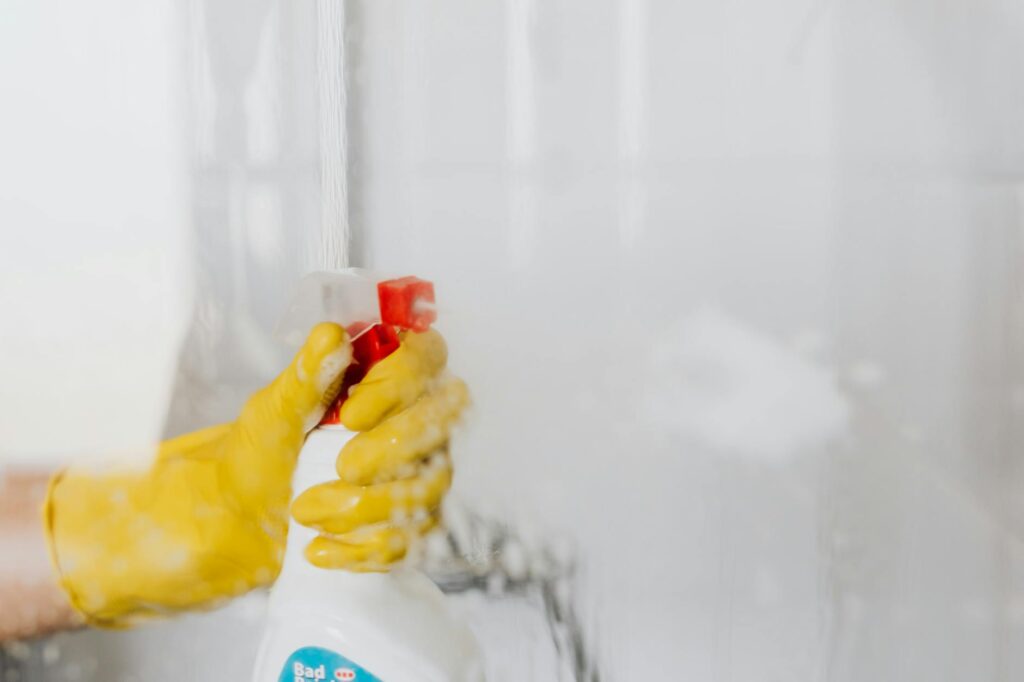
Spray or apply the solution to the area you wish to clean. For best results:
Step 4: Rinse and Wipe
After the cleaner has had time to work, rinse the area with clean water to remove any residual cleaning agent. Wipe with a dry cloth to avoid streaks and ensure a clean finish.
Step 5: Dry the Surface
To prevent water spots or further dirt accumulation, dry the cleaned area with a clean, dry towel.
Best Cleaning Methods
Utilizing the right methods can enhance the effectiveness of natural cleaning. Here are a few techniques:
Common Mistakes to Avoid
Avoid these pitfalls to maximize your natural cleaning results:
1. Mixing Ingredients: Some natural ingredients can react with each other, reducing effectiveness (e.g., vinegar and baking soda).
2. Neglecting Rinsing: Failing to rinse off natural cleaners can lead to residue build-up.
3. Using Too Little Product: Not using enough cleaner can result in ineffective cleaning.
4. Ignoring Surface Compatibility: Not all natural cleaners are suitable for every surface. Always check compatibility.
Prevention Tips
To maintain a clean home and prevent the need for intensive natural cleaning, consider these tips:
Frequently Asked Questions
1. Can I use vinegar on all surfaces?
No, vinegar should not be used on natural stone surfaces like granite or marble, as it can damage the finish.
2. How often should I clean with natural products?
Aim for a regular cleaning schedule, such as weekly or bi-weekly, depending on your home’s needs.
3. Why does my natural cleaner leave streaks?
Streaks may be caused by using too much product, not rinsing adequately, or using a dirty cloth.
4. Are natural cleaners safe for pets?
Most natural cleaners are safe for pets, but always ensure that the area is well-ventilated and keep pets away during cleaning.
5. Can I make my own natural cleaning products?
Yes, many effective natural cleaning solutions can be made at home using simple ingredients like vinegar, baking soda, and lemon juice.
6. What should I do if I have allergies?
If you have allergies, test any homemade cleaner on a small area first and consult with a professional if you have concerns about specific ingredients.
By taking these steps and understanding natural cleaning, you can enjoy a cleaner, healthier home while minimizing your environmental impact. With the right techniques and precautions, natural cleaning can be both effective and straightforward.