
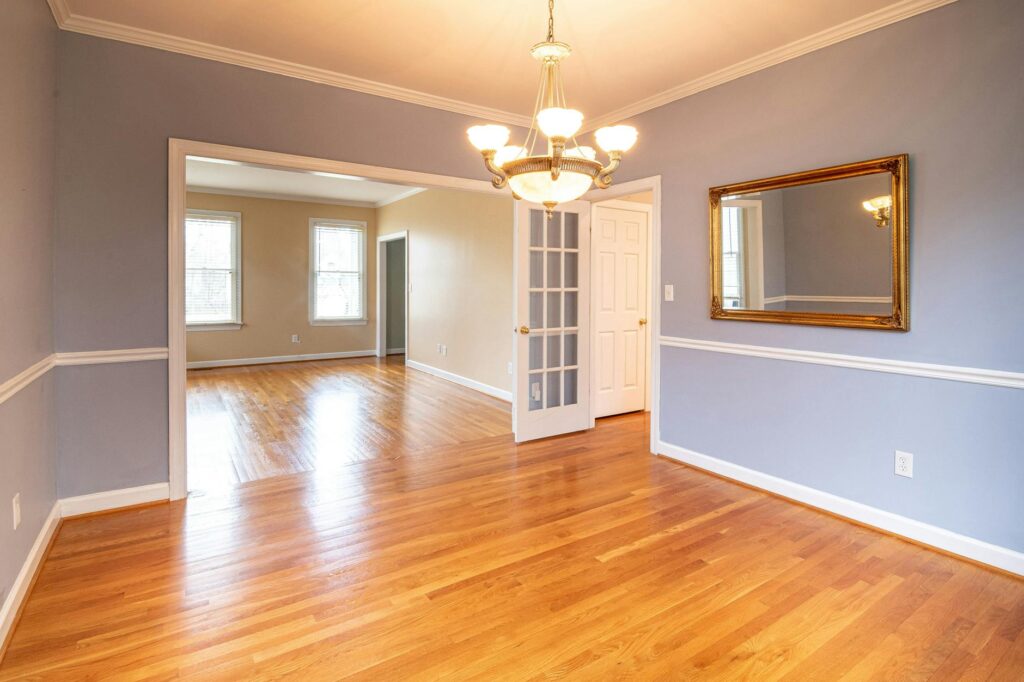
Hardwood Floor Stains Bathroom Guide Part 2
Introduction
Hardwood floors add warmth and beauty to any bathroom, but they come with their own set of challenges, particularly when it comes to stains. If you’ve noticed unsightly marks or discoloration on your bathroom hardwood, you’re not alone. This guide aims to help you understand the causes of these stains, how to effectively remove them, and how to prevent future problems.
What Causes Bathroom Stains?
Bathroom stains on hardwood floors can arise from several sources:
1. Water Exposure: Bathrooms are inherently moist environments. Water spills from showers, sinks, or bathtubs can seep into the wood, leading to stains and warping.
2. Cleaning Products: Some cleaning chemicals can cause discoloration or damage to the finish of hardwood floors, resulting in visible stains.
3. Mold and Mildew: High humidity levels can encourage the growth of mold and mildew, which can leave dark stains on wood surfaces.
4. Body Oils and Personal Care Products: Lotions, oils, and other personal care items can splatter onto the floor and leave behind greasy stains.
5. Mineral Deposits: Hard water can leave mineral deposits that appear as white or cloudy stains on hardwood floors.
Why This Problem Happens
Understanding why stains occur is crucial for effective cleaning and prevention:
- Absorption: Hardwood is porous, meaning it can absorb liquids if not sealed properly. This leads to discoloration and damage.
- Chemical Reactions: Some cleaning agents react negatively with the wood’s finish or the wood itself, causing stains.
- Humidity: Bathrooms are often filled with steam from showers, which can exacerbate the problem by creating a damp environment conducive to mold growth.
- Neglect: Regular maintenance is essential. Without it, minor spills can escalate into significant stains over time.
- Soft cloths or paper towels
- Mild dish soap
- White vinegar
- Baking soda
- Mineral spirits
- A soft-bristle brush
- Hardwood floor cleaner (if needed)
How to Fix Bathroom Stains (Step-by-Step)
Here’s a practical approach to tackle stains on hardwood floors:
Step 1: Identify the Stain
Determine the type of stain you’re dealing with. Is it water, oil, or something else? This will guide your cleaning method.
Step 2: Gather Supplies
You’ll need:
Step 3: Clean Light Stains
1. Mix a Cleaning Solution: Combine a few drops of mild dish soap with warm water.
2. Wipe the Area: Dampen a cloth in the solution and gently scrub the stained area. Avoid soaking the wood.
3. Rinse: Use a clean, damp cloth to remove any soapy residue, then dry thoroughly.
Step 4: Treat Tough Stains
1. For Oil and Grease Stains: Sprinkle baking soda directly onto the stain. Let it sit for at least 10 minutes to absorb the oil, then wipe with a damp cloth.
2. For Water Stains: Mix equal parts vinegar and water. Dampen a cloth and gently rub the stain. Rinse and dry.
3. For Mold and Mildew: Use diluted vinegar or a mixture of water and baking soda. Scrub gently with a soft-bristle brush, then rinse and dry.
Step 5: Restore the Finish
If stains persist, you may need to refinish the area:
1. Sand the Affected Area: Lightly sand the stained spot with fine-grit sandpaper.
2. Clean Dust: Wipe away dust with a damp cloth.
3. Apply Finish: Reapply a matching hardwood floor finish to restore the area.
Best Cleaning Methods
To keep your hardwood floors looking pristine:
1. Regular Sweeping: Dust and debris can scratch the surface, so sweep daily.
2. Damp Mopping: Use a damp mop with a hardwood-safe cleaner once a week.
3. Spot Cleaning: Address spills immediately to prevent stains from settling.
4. Professional Cleaning: Consider hiring professionals for deep cleaning every 6-12 months.
Common Mistakes to Avoid
1. Using Harsh Chemicals: Avoid bleach and ammonia-based cleaners, as they can damage the wood.
2. Soaking the Floor: Never use excessive water, as this can warp hardwood.
3. Ignoring Spills: Delaying cleaning can lead to deeper, more difficult stains.
4. Neglecting Humidity Control: Use a dehumidifier to maintain optimal humidity levels in the bathroom.
5. Using Steel Wool: This can scratch the wood surface and damage the finish.
Prevention Tips
1. Seal Your Floors: Regularly apply a high-quality sealant to protect against moisture.
2. Use Mats: Place absorbent mats in high-traffic areas and near sinks to catch spills.
3. Ventilation: Ensure your bathroom is well-ventilated to reduce humidity. Use exhaust fans during and after showers.
4. Monthly Maintenance: Schedule a monthly cleaning routine to maintain the finish and prevent buildup.
5. Wipe Down Surfaces: Regularly wipe down countertops and sinks to prevent drips on the floor.
Frequently Asked Questions
1. How can I tell if my hardwood floor is sealed?
Look for a glossy finish. If water beads on the surface, it’s likely sealed. If it soaks in, it may need resealing.
2. What’s the best way to remove old water stains?
Try a mixture of vinegar and water, or use baking soda paste. If you can’t remove it, sanding and refinishing may be necessary.
3. Can I use a steam mop on hardwood floors?
No, steam mops can damage the wood and cause warping. Stick to damp mopping with a cleaner made for hardwood.
4. How often should I clean my hardwood floors?
Daily sweeping, weekly damp mopping, and a thorough cleaning every few months should suffice.
5. Is it safe to use vinegar on hardwood floors?
Vinegar can be effective for cleaning but should always be diluted with water. Avoid using it frequently to prevent damage.
6. Can heat or sunlight cause damage to my hardwood floors?
Yes, prolonged exposure to heat and sunlight can fade and warp hardwood floors. Use curtains or blinds to limit exposure.
By following this guide, you can effectively tackle and prevent hardwood floor stains in your bathroom, ensuring your floors remain beautiful and functional for years to come.