
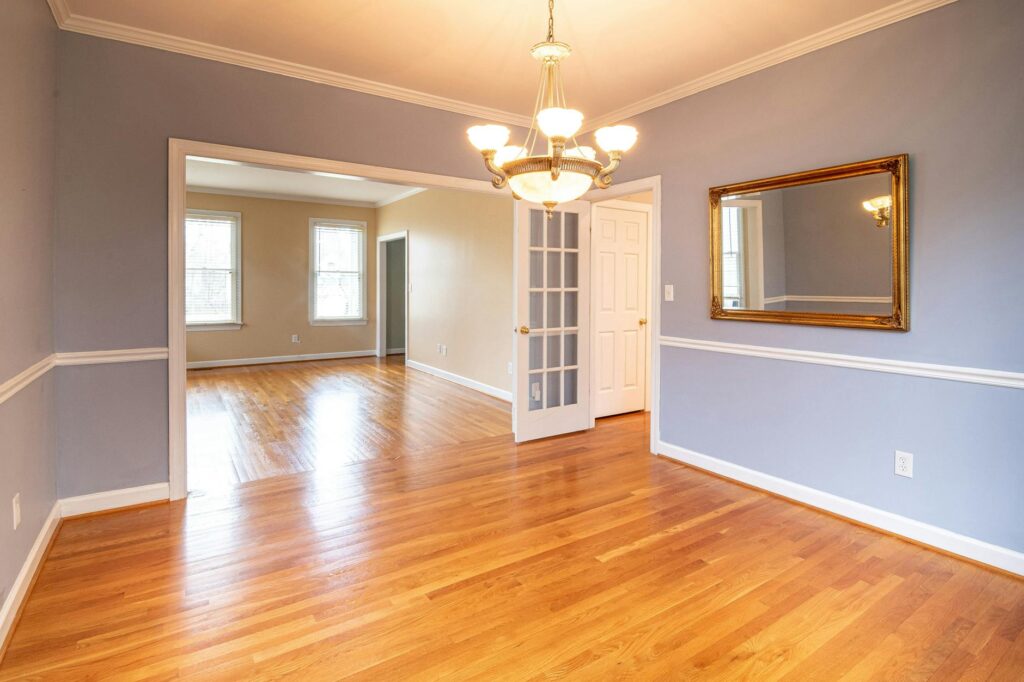
Hardwood Floor Odours Guide Part 1
Introduction
Hardwood floors are a beautiful addition to any home, but they can sometimes carry unpleasant odours. Whether it’s from spills, pets, or general wear and tear, dealing with these smells is essential to maintaining a fresh and inviting atmosphere. This guide will delve into the causes of hardwood floor odours, how to fix them, the best cleaning methods, and tips for prevention.
What Causes Odours?
Understanding the source of odours is the first step in tackling the issue. Common causes include:
- Moisture: Water spills or high humidity can seep into the wood, leading to mould or mildew growth.
- Spills: Food and drink spills that aren’t promptly cleaned can leave behind lingering smells.
- Pet Accidents: Urine, feces, or vomit from pets can deeply penetrate hardwood floors, causing strong odours.
- Dirt and Grime: Dust and dirt accumulation can create a musty smell over time, especially in high-traffic areas.
- Chemical Residues: Residues from cleaning products can also contribute to unpleasant odours.
- Sweep or Vacuum: Remove dust, dirt, and debris from the surface using a soft broom or vacuum with a hardwood floor attachment.
- Damp Mop: Use a damp mop with warm water and a few drops of mild dish soap. Avoid soaking the floor, as excess moisture can worsen odour issues.
- For Food or Drink Stains: Create a mixture of equal parts vinegar and water. Apply it to the stain and let it sit for a few minutes before wiping clean.
- For Pet Accidents: Blot the area with paper towels to absorb as much liquid as possible. Then, use an enzymatic cleaner specifically designed for pet stains, following the instructions on the label.
- Baking Soda: Sprinkle baking soda over the affected areas and let it sit for several hours or overnight. Vacuum it up afterward. Baking soda neutralizes odours effectively.
- Vinegar Solution: A mixture of equal parts water and white vinegar can be used as a deodorizer. Spray it lightly on the area and wipe with a clean cloth.
- Ideally, you should sweep or vacuum weekly and mop monthly to prevent dirt buildup.
- Yes, but dilute it with water and always test a small area first to ensure it doesn’t damage the finish.
- If odours continue, consider deeper cleaning methods or consult a professional for potential underlying issues.
- Yes, baking soda and vinegar are effective natural deodorizers.
- Train your pets to go outside and clean any accidents immediately with enzymatic cleaners.
- Sealing helps protect against moisture and stains, making it easier to maintain the wood.
Why This Problem Happens
Odours typically arise when moisture is trapped in or under the hardwood flooring. Wood is a porous material, which means it can absorb liquids and hold onto smells. If these issues are not addressed quickly, they can lead to mould growth and further deterioration of the wood, exacerbating the problem. Additionally, improper cleaning methods can leave residues that attract dirt or create a film that traps odours.
How to Fix Odours (Step-by-Step)
1. Identify the Source: Before cleaning, determine where the odour is strongest. This will guide your cleaning efforts.
2. Clean the Surface:
3. Treat Stains and Spills:
4. Deodorize:
5. Dry Thoroughly: Ensure the floor is completely dry after cleaning. Use fans or open windows to increase air circulation.
6. Seal the Floor: If your hardwood floors are unsealed or worn, consider applying a sealant. This can help prevent moisture from penetrating the wood.
Best Cleaning Methods
1. Microfiber Mops: These are excellent for collecting dust and dirt without scratching the surface.
2. Vinegar and Water Solution: While effective, always test a small, inconspicuous area first to ensure it doesn’t damage the finish of your hardwood.
3. Enzymatic Cleaners: Ideal for pet stains, these cleaners break down organic matter and eliminate odours rather than just masking them.
4. Steam Cleaners: If your hardwood floors are sealed, a steam cleaner can be an effective way to sanitize and deodorize without chemicals. Make sure to follow the manufacturer’s guidelines.
Common Mistakes to Avoid
1. Using Excess Water: Too much water can warp or damage hardwood floors. Always use a damp mop rather than soaking the floor.
2. Ignoring Spills: Failing to clean spills promptly can lead to deeper stains and odours.
3. Overusing Cleaning Products: Using too many chemicals or not rinsing them properly can leave a residue that attracts dirt and grime.
4. Neglecting Regular Maintenance: Regular sweeping and mopping prevent odour buildup.
5. Choosing the Wrong Cleaners: Avoid harsh chemicals or abrasive cleaners that can damage the finish of your hardwood floors.
Prevention Tips
1. Regular Cleaning: Sweep or vacuum at least once a week to prevent dirt and dust accumulation.
2. Immediate Spill Cleanup: Wipe up spills as soon as they occur to prevent stains and odours.
3. Humidity Control: Keep your home’s humidity levels between 30-50% to prevent moisture buildup.
4. Use Door Mats: Place mats at entry points to reduce dirt tracked onto your floors.
5. Seal Your Floors: Consider applying a protective sealant every few years to keep your hardwood floors safe from moisture and stains.
6. Check for Leaks: Regularly inspect plumbing and appliances for leaks that could contribute to humidity and moisture problems.
Frequently Asked Questions
1. How often should I clean my hardwood floors?
2. Can I use vinegar on my hardwood floors?
3. What should I do if the odour persists after cleaning?
4. Are there any natural deodorizers for hardwood floors?
5. How can I prevent my pets from causing odours on hardwood floors?
6. Is it necessary to seal hardwood floors?
By following the steps laid out in this guide, you can effectively manage and eliminate hardwood floor odours, ensuring your home remains a pleasant and inviting space. Stay tuned for Part 2, where we’ll explore deeper cleaning techniques and advanced methods for maintaining your hardwood floors.