
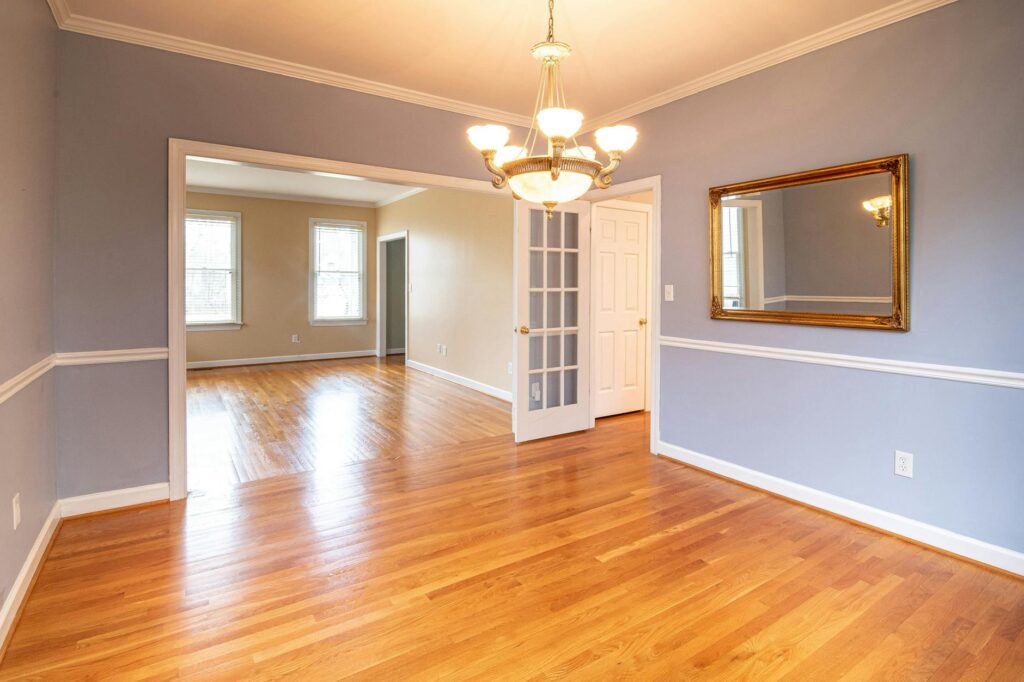
Hardwood Floor Odor: Mould & Damp Guide Part 1
Introduction
Mould and damp issues can wreak havoc on hardwood floors, leading to unpleasant odors and potential damage. If you’ve noticed a musty smell or discolored patches on your flooring, you’re not alone. This guide will help you understand the causes of mould and dampness, how to effectively address these problems, and ways to prevent them from recurring.
What Causes Mould & Damp?
Mould thrives in moist environments. When it comes to hardwood floors, several factors can contribute to dampness and mould growth:
1. High Humidity: Excessive moisture in the air can settle on your floors.
2. Water Leaks: Leaks from plumbing or appliances can lead to water pooling underneath or on the surface.
3. Poor Ventilation: Areas that lack airflow, such as basements and bathrooms, are prone to dampness.
4. Condensation: Temperature differences can cause condensation to form, especially in poorly insulated areas.
Understanding these causes is the first step to tackling the problem effectively.
Why This Problem Happens
Mould and dampness can occur due to:
- Poor Installation: Improperly installed hardwood floors can trap moisture underneath.
- Inadequate Sealing: If your wood floors are not properly sealed, they can absorb moisture.
- Climate: Living in a humid climate can naturally increase the chances of dampness.
- Neglect: Regular cleaning and maintenance are crucial. Neglect can lead to a build-up of moisture and dirt, creating an ideal environment for mould.
- Leaky pipes
- Damaged roofs
- Poor drainage around your home
- Replace damaged boards.
- Refinish the wood to restore its protective seal.
- Vinegar Solution: Mix equal parts of water and white vinegar. This natural solution helps kill mould and neutralizes odors.
- Baking Soda Paste: Combine baking soda with water to form a paste. Apply it to affected areas, let it sit for a few hours, and then scrub away.
- Commercial Mould Removers: If the mould persists, consider using a commercially available mould remover, ensuring it’s safe for hardwood floors.
- Regular Cleaning: Sweep and mop your floors regularly to prevent dirt accumulation.
- Seal Your Floors: Ensure your hardwood floors are sealed properly to resist moisture.
- Use Dehumidifiers: Maintain indoor humidity levels, especially in damp areas like basements.
- Inspect for Leaks: Regularly check plumbing, roofs, and windows for signs of leaks.
- Improve Airflow: Open windows and doors to promote airflow and reduce humidity.
Identifying the underlying cause is essential for a long-term solution.
How to Fix Mould & Damp (Step-by-Step)
Step 1: Identify the Source
Before you can address mould and dampness, you need to find the source of the moisture. Check for:
Step 2: Remove the Mould
1. Gather Your Supplies: You’ll need protective gloves, a mask, and cleaning materials (mould remover, vinegar, or baking soda).
2. Ventilate the Area: Open windows to allow fresh air in and reduce exposure to mould spores.
3. Apply Cleaner: Use a mould remover or a mixture of vinegar and water (1:1 ratio).
4. Scrub the Area: Use a scrub brush to remove visible mould. For porous surfaces, you may need to replace affected sections.
5. Rinse and Dry: Wipe the area with a damp cloth and ensure it is completely dry.
Step 3: Repair Any Damage
After cleaning, assess the condition of your hardwood floors. You may need to:
Step 4: Address Humidity Levels
Using a dehumidifier can help remove excess moisture from the air. Aim to keep indoor humidity levels between 30-50%.
Best Cleaning Methods
Common Mistakes to Avoid
1. Using Excess Water: Too much water can damage hardwood floors. Always use a damp cloth rather than soaking the surface.
2. Ignoring Ventilation: Failing to ventilate areas can exacerbate mould growth. Make sure to keep areas well-ventilated.
3. Neglecting Regular Maintenance: Regular sweeping and mopping are essential for keeping dirt and moisture at bay.
4. Not Addressing the Root Cause: Treating mould without fixing the source of moisture will lead to a recurring problem.
Prevention Tips
Frequently Asked Questions
1. How can I tell if the smell is from mould or something else?
A musty odor is typically a sign of mould. You can also look for visible signs, such as discoloration or patches on your floors.
2. Is it safe to clean mould myself?
Yes, as long as you take precautions. Use gloves and a mask to protect yourself from spores.
3. How can I tell if my hardwood floors are damaged?
Look for signs of warping, discoloration, or a spongy feel. If you notice these, it may be time to consult a professional.
4. Can I prevent mould from returning?
Yes, by addressing the source of moisture, ensuring proper ventilation, and maintaining humidity levels, you can prevent mould from returning.
5. How often should I clean my hardwood floors?
Regular cleaning at least once a week is recommended, with deep cleaning every few months.
6. When should I call a professional?
If the mould problem is extensive or if you notice significant damage to your floors, it’s best to consult a professional for treatment and repairs.
By following the steps outlined in this guide, you can effectively tackle mould and dampness under your hardwood floors, ensuring a cleaner and healthier home environment. Stay tuned for Part 2, where we’ll delve deeper into advanced cleaning techniques and maintenance strategies.