
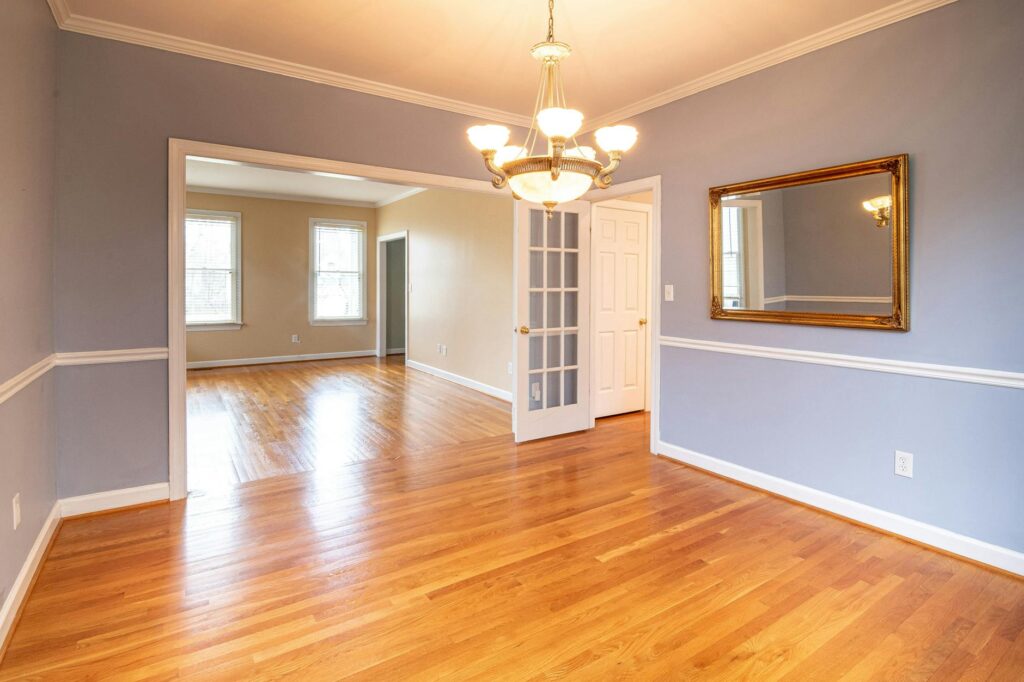
Hardwood Floor Odor Laundry Guide Part 1
Introduction
If you’ve noticed an unpleasant odor emanating from your hardwood floors, you’re not alone. Many homeowners face this issue, often linked to laundry mishaps or spills. This guide will help you understand the causes of hardwood floor odors related to laundry, how to fix them, and what preventative measures you can take to keep your space smelling fresh.
What Causes Laundry Odor?
Laundry odors can seep into hardwood floors for several reasons:
1. Damp Clothes: Leaving wet clothes on the floor can lead to mildew and mold growth, causing a musty smell.
2. Spills: Laundry detergents, fabric softeners, or even sweat can spill onto hardwood floors.
3. Improper Drying: Clothes that haven’t dried completely can release odors that settle into the floor.
4. Pet Accidents: If pets have accidents near your laundry area, this can also contribute to unpleasant odors.
Understanding the source of the smell is key to addressing it effectively.
Why This Problem Happens
Hardwood floors are porous and can absorb moisture and odors. When damp laundry is left unattended or spills occur, the moisture can seep into the wood, creating a breeding ground for bacteria and fungi. This not only leads to bad odors but can also damage the floor over time.
Additionally, if your laundry room is poorly ventilated, any moisture from washing clothes can linger, intensifying the smell.
How to Fix Laundry Odor (Step-by-Step)
Step 1: Identify the Source
Before you can fix the odor, identify where it’s coming from. Is it a specific area of the floor, or does it seem to emanate from the entire room?
Step 2: Remove Any Damp Items
Take away any wet clothes or towels. If they are stained or damp, wash them immediately.
Step 3: Clean the Affected Area
1. Vacuum: Start by vacuuming the area to remove any dust or debris.
2. Mop: Use a damp mop with a mixture of warm water and a few drops of dish soap. Avoid soaking the floor, as excess water can worsen the problem.
Step 4: Use an Odor Neutralizer
After mopping, apply a commercial odor neutralizer suitable for hardwood floors, or create your own:
- Mix equal parts of white vinegar and water in a spray bottle.
- Lightly spray the affected area and wipe it down with a clean cloth.
- Using Excess Water: Hardwood is sensitive to moisture. Always use damp, not soaking, cleaning methods.
- Neglecting Regular Maintenance: Regularly clean and monitor your laundry area to prevent odors from developing.
- Ignoring Spills: Clean up any detergent or fabric softener spills immediately to prevent absorption into the wood.
- Overlooking Ventilation: Ensure your laundry area has proper airflow to help reduce moisture levels.
Step 5: Dry the Area
Ensure the area is well-ventilated. Open windows or use fans to help dry the space quickly.
Step 6: Monitor for Recurrence
Keep an eye on the area for a few days. If the smell persists, you may need to repeat the cleaning process or consider deeper solutions.
Best Cleaning Methods
1. Vinegar Solution: A natural and effective way to neutralize odors.
2. Baking Soda: Sprinkle baking soda on the affected area, let it sit for a few hours, then vacuum it up to absorb odors.
3. Commercial Cleaners: There are many hardwood floor cleaners designed to neutralize odors. Look for enzyme-based products that target organic material.
Common Mistakes to Avoid
Prevention Tips
1. Immediate Cleanup: Clean any spills or damp items right away.
2. Improve Ventilation: Use dehumidifiers or fans in your laundry area to reduce moisture.
3. Regular Maintenance: Schedule regular cleaning of both your laundry and the surrounding hardwood floors.
4. Use Washable Floor Mats: Place mats under your laundry basket to catch any potential spills.
5. Air Out Laundry: Avoid leaving damp clothes in piles; always hang them to dry if you can.
Frequently Asked Questions
1. How often should I clean my hardwood floors?
Aim to clean them at least once a week, paying extra attention to areas near your laundry.
2. Can I use bleach on hardwood floors?
No, bleach can damage the finish of hardwood floors. Stick to vinegar or specialized cleaners.
3. What if the smell doesn’t go away after cleaning?
You may need to consider professional cleaning services or deeper treatments for your hardwood floors.
4. Is it safe to use essential oils for odor removal?
While essential oils can mask odors, they may not address the root cause. Use them sparingly and ensure they are safe for hardwood floors.
5. How do I know if the odor is due to mold?
If you notice visible mold or a persistent musty smell, it’s best to consult a professional for an assessment.
6. Can I prevent odors by using scented laundry detergents?
While scented detergents can help mask odors, they don’t eliminate them. Focus on proper drying and cleaning to prevent odors from forming in the first place.
By following these steps, you can effectively tackle hardwood floor odors related to laundry. Keep your space fresh and inviting by staying proactive and maintaining your hardwood floors.