
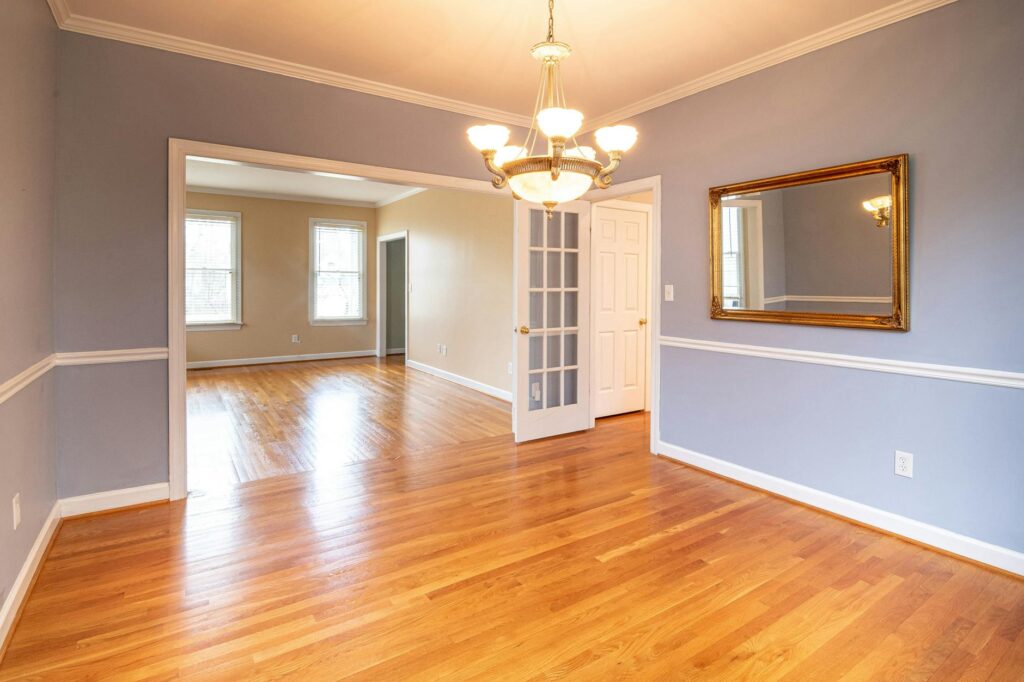
Hardwood Floor Odor Kitchen Guide Part 1
Introduction
Hardwood floors add warmth and elegance to your kitchen, but they can also trap odors that are tough to eliminate. Whether it’s lingering food smells, pet accidents, or general kitchen humidity, addressing these odors is essential for maintaining a fresh and inviting space. This guide will help you understand the causes of hardwood floor odors, how to fix them, and how to prevent them from returning.
What Causes Kitchen Odors?
Several factors can contribute to unpleasant odors in your kitchen hardwood floors:
1. Food Residue: Spills and crumbs can seep into the cracks and crevices of hardwood flooring, leading to odor buildup.
2. Moisture: Kitchens are prone to spills and humidity, which can cause mold or mildew to develop underneath the flooring.
3. Pet Accidents: If you have pets, accidents can occur on your hardwood floors, leaving behind stubborn odors.
4. Improper Cleaning: Using the wrong cleaning agents or methods can damage the flooring and trap odors rather than eliminate them.
5. Old Finishes: Over time, the finish on hardwood floors can wear down, allowing odors to penetrate the wood itself.
Why This Problem Happens
Understanding why odors develop in your kitchen can help you address the root causes effectively:
- Absorbency of Wood: Hardwood is porous, meaning it can absorb moisture and odors if not properly maintained.
- Temperature Fluctuations: The kitchen often experiences temperature changes, which can create condensation and promote odor development.
- Lack of Ventilation: Poor air circulation can trap moisture and odors in the kitchen, making it difficult for them to dissipate.
- Neglected Maintenance: Regular cleaning and care are essential for preventing odors. Neglect can lead to a buildup of dirt and grime.
- Food spills under appliances
- Areas around the sink or garbage disposal
- Pet zones
- Spots where water might have pooled
How to Fix Kitchen Odor (Step-by-Step)
Step 1: Identify the Source
Before you can effectively eliminate odors, you must identify their source. Check for:
Step 2: Clean the Surface
1. Sweep or Vacuum: Remove loose debris and food particles. A vacuum with a hardwood floor attachment is ideal.
2. Mop with a Mild Solution: Mix a few drops of dish soap in warm water. Use a damp mop to clean the surface. Avoid excess water, as it can damage the wood.
3. Deep Clean with Vinegar: For stronger odors, mix equal parts water and white vinegar in a spray bottle. Lightly spray the affected areas and wipe with a microfiber cloth.
Step 3: Dry Thoroughly
After cleaning, ensure your floors are completely dry. Use fans or open windows to improve airflow. Moisture is a primary cause of odors, so this step is crucial.
Step 4: Use Baking Soda
1. Sprinkle Baking Soda: For persistent odors, sprinkle baking soda on the affected areas.
2. Let it Sit: Allow it to sit for at least 15-30 minutes. Baking soda absorbs odors effectively.
3. Vacuum: Once the time is up, vacuum the baking soda from the floor.
Step 5: Seal the Floors
If odors persist, consider resealing your hardwood floors. This can lock in any lingering smells and provide a protective barrier against future odors.
Best Cleaning Methods
1. Microfiber Mops: These are effective at trapping dirt and odors without scratching the surface.
2. Steam Cleaners: A steam cleaner designed for hardwood can sanitize your floors without using harsh chemicals.
3. Natural Cleaners: Solutions like vinegar or baking soda are effective and environmentally friendly.
4. Commercial Hardwood Cleaners: If you prefer store-bought solutions, choose one specifically designed for hardwood floors.
Common Mistakes to Avoid
1. Using Excess Water: Excess moisture can warp or damage hardwood floors. Always use a damp mop, not a wet one.
2. Harsh Chemicals: Avoid bleach or ammonia-based cleaners, which can damage the finish of your floors.
3. Neglecting Regular Maintenance: A regular cleaning schedule prevents the buildup of dirt and odors.
4. Ignoring Spills: Address spills immediately to prevent them from seeping into the wood.
5. Overlooking the Underlying Issues: Ensure you address any underlying moisture issues in your kitchen, such as leaks or poor ventilation.
Prevention Tips
1. Regular Cleaning: Establish a weekly cleaning routine that includes sweeping, mopping, and checking for spills.
2. Use Mats: Place mats in areas prone to spills, such as in front of the sink and stove.
3. Improve Ventilation: Use exhaust fans and open windows when cooking to reduce humidity.
4. Seal the Floors: Reseal your hardwood floors every few years to prevent odors from penetrating.
5. Monitor Humidity Levels: Use a dehumidifier if your kitchen tends to be humid, especially in summer.
Frequently Asked Questions
1. How often should I clean my hardwood floors?
Aim to sweep or vacuum at least once a week and mop as needed, particularly after spills.
2. Can I use vinegar on hardwood floors?
Yes, a diluted vinegar solution can be effective for cleaning, but use it sparingly and ensure the floor is dried afterward.
3. What if the odor persists after cleaning?
If odors persist, it may be necessary to reseal your floors or consult a professional.
4. Are there any specific cleaners to avoid?
Avoid cleaners with bleach, ammonia, or abrasive scrubs that can damage the wood finish.
5. How can I keep my kitchen smelling fresh?
Regular cleaning, good ventilation, and using odor-absorbing materials like baking soda can help maintain a fresh smell.
6. Will a steam cleaner damage my hardwood floors?
Use steam cleaners specifically designed for hardwood floors with caution, as excessive steam can cause damage. Always follow the manufacturer’s guidelines.
By following these practical steps, you can tackle hardwood floor odors in your kitchen effectively, creating a cleaner and more pleasant space for cooking and gathering. Stay tuned for Part 2, where we’ll dive deeper into advanced cleaning techniques and product recommendations.