
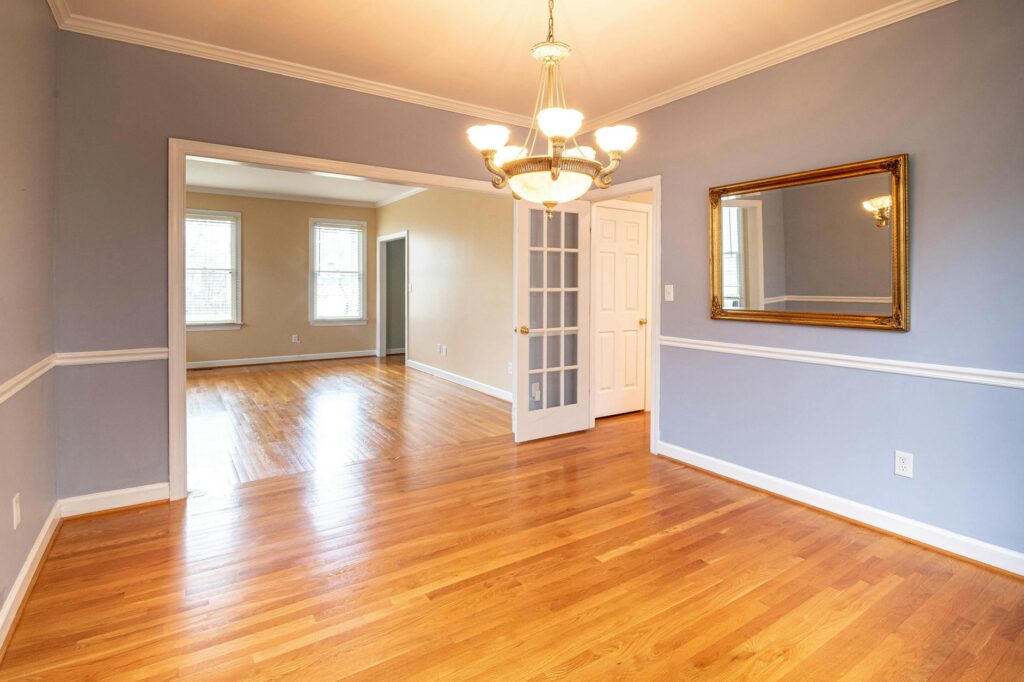
Hardwood Floor Odor Cleaning Guide Part 1
Introduction
Hardwood floors are a beautiful addition to any home, but they can sometimes harbor unpleasant odors. Whether it’s from pets, spills, or general wear and tear, these smells can linger and make your living space less enjoyable. This guide is designed to help you identify the causes of hardwood floor odors and provide actionable steps to eliminate them effectively.
What Causes Odor?
Understanding the root causes of hardwood floor odors is the first step in addressing the problem. Several factors can contribute, including:
1. Moisture: Excess moisture can lead to mold and mildew, which produce a musty odor.
2. Food and Drink Spills: Accidental spills that are not cleaned up promptly can seep into the wood, causing odors.
3. Pet Accidents: Urine or feces from pets can penetrate the wood, leading to persistent smells.
4. Dirt and Grime: Accumulated dirt can produce odors over time, especially in high-traffic areas.
5. Chemical Residue: Cleaning products that are not suitable for hardwood can leave behind unpleasant smells.
Why This Problem Happens
Odor problems in hardwood floors often occur due to a combination of factors. For instance, if your floors are regularly exposed to moisture without proper ventilation, mold can develop. Similarly, if spills are not addressed quickly, they can absorb into the wood and lead to bacterial growth. Understanding these factors can help you take proactive measures to keep your floors smelling fresh.
How to Fix Odor (Step-by-Step)
Addressing the odor in your hardwood floors requires a systematic approach. Follow these steps for effective cleaning:
Step 1: Identify the Source
Before you can eliminate the odor, you need to pinpoint its source. Walk around your home and check for:
- Any visible spills or stains.
- Areas where pets frequent.
- Signs of moisture, such as water stains or dampness.
- For Food and Drink Spills: Mix equal parts of vinegar and water. Dampen a cloth and gently rub the stain.
- For Pet Odors: Use an enzymatic cleaner specifically designed for pet messes. Follow the product instructions closely.
Step 2: Clean the Surface
Once you’ve identified the source, start cleaning the surface of your hardwood floor:
1. Sweep or Vacuum: Remove dirt and debris with a broom or vacuum cleaner.
2. Mop with a Damp Cloth: Use a damp microfiber mop to clean the surface. Avoid excessive water, as it can damage the wood.
3. Use a Suitable Cleaner: Apply a hardwood floor cleaner according to the instructions. Avoid harsh chemicals that can worsen odors.
Step 3: Address Stains
For specific stains, follow these methods:
Step 4: Deodorize
After cleaning, deodorizing will help eliminate lingering odors:
1. Baking Soda: Sprinkle baking soda on the affected area and leave it overnight. Vacuum it up in the morning.
2. Vinegar Solution: Mix one cup of white vinegar with one gallon of water. Mop the floor with this solution to neutralize odors.
Step 5: Dry the Area
Ensure the area is completely dry after cleaning. Use fans or open windows to promote ventilation. This will help prevent moisture buildup, which can lead to further odors.
Best Cleaning Methods
Here are some highly effective methods for cleaning and deodorizing hardwood floors:
1. Vinegar and Water Solution: This natural mixture is excellent for cutting through grime and neutralizing odors.
2. Baking Soda: A powerful deodorizer, baking soda can absorb unwanted smells without damaging the wood.
3. Hydrogen Peroxide: For tougher stains, hydrogen peroxide can be effective. Test it on a small area first to ensure it doesn’t discolor the wood.
4. Commercial Hardwood Cleaners: Look for non-toxic, biodegradable options that are specifically designed for hardwood floors.
Common Mistakes to Avoid
When cleaning hardwood floors, it’s essential to avoid these common pitfalls:
1. Using Excessive Water: Too much water can warp your floors and promote mold growth.
2. Neglecting Regular Maintenance: Regular sweeping and mopping can prevent odors from building up.
3. Ignoring Pet Accidents: Leaving pet messes unattended can lead to permanent odors.
4. Using Harsh Chemicals: Avoid bleach or ammonia, which can damage the finish of your hardwood.
5. Not Ventilating: Failing to dry the area can exacerbate moisture problems and lead to mold.
Prevention Tips
Preventing hardwood floor odors is much easier than dealing with them after they’ve set in. Here are some tips to keep your floors smelling fresh:
1. Regular Cleaning: Sweep or vacuum frequently to remove dirt and debris.
2. Immediate Spill Cleanup: Clean up spills as soon as they occur to prevent absorption into the wood.
3. Use Rugs: Place rugs in high-traffic areas to reduce wear and tear on the hardwood.
4. Control Humidity: Use a dehumidifier if your home is prone to high humidity.
5. Pet Training: If you have pets, train them to use designated areas to minimize accidents on the floor.
Frequently Asked Questions
1. How often should I clean my hardwood floors?
Aim to clean your hardwood floors at least once a week. High-traffic areas may require more frequent cleaning.
2. Can I use vinegar on hardwood floors?
Yes, a diluted vinegar solution can be used safely on hardwood floors. Use it sparingly and ensure it’s well-diluted.
3. How do I know if my hardwood floors are damaged?
Look for signs like warping, deep scratches, or discoloration. If you notice any of these, it may be time for professional assessment.
4. Will baking soda stain my hardwood floors?
No, baking soda is safe for hardwood floors. It is an effective deodorizer and won’t leave stains.
5. What should I do if the odor persists?
If odors continue after cleaning, consider consulting a professional for a deeper clean or an assessment for underlying issues.
6. Can I use a steam cleaner on hardwood floors?
Avoid using steam cleaners, as the heat and moisture can damage the finish and wood itself.
By following this guide, you can effectively tackle odors in your hardwood floors and enjoy a fresher, cleaner home environment. Remember that prevention is key, so make maintaining your floors a part of your regular cleaning routine. Stay tuned for Part 2, where we will delve deeper into advanced cleaning techniques and how to restore your hardwood floors to their original glory!