
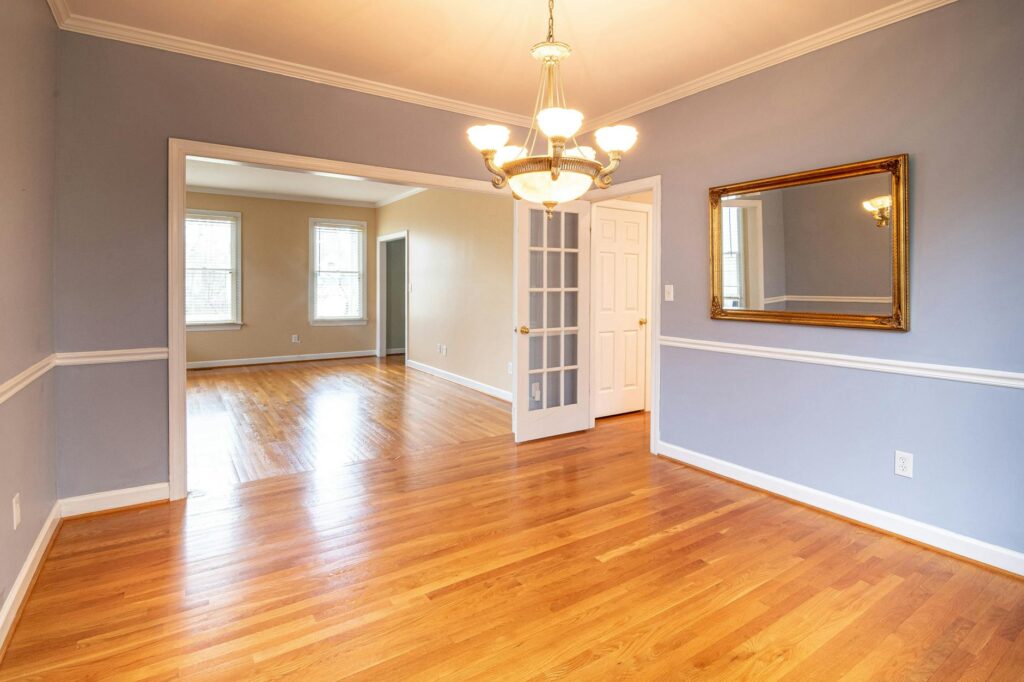
Hardwood Floor Mold Stains Guide Part 2
Introduction
Hardwood floors add warmth and elegance to any home, but they can also be susceptible to mold stains. Mold thrives in moist environments, and when it finds its way onto your hardwood, it can leave unsightly marks that diminish your floor’s beauty. In this guide, we will explore the causes of mold stains, how to fix them effectively, and tips for prevention. Let’s get to the point and tackle this problem head-on.
What Causes Stains?
Mold stains on hardwood floors typically arise from a combination of moisture and organic material. Here are the main culprits:
1. High Humidity: Areas with high humidity levels provide an ideal breeding ground for mold.
2. Water Spills: Unattended spills or leaks can lead to water accumulation, promoting mold growth.
3. Poor Ventilation: Rooms that lack proper airflow can trap moisture, encouraging mold formation.
4. Organic Materials: Dust, dirt, and other organic debris can serve as food for mold.
Understanding what causes these stains is the first step in effectively addressing them.
Why This Problem Happens
Mold stains occur when mold spores settle on the surface of your hardwood floor. If the conditions are right—namely, moisture and a food source—the spores can grow rapidly. Once mold penetrates the wood, it can cause discoloration and, in severe cases, structural damage.
Additionally, if mold is left untreated, it can spread to other areas of your home, posing a more significant issue. This is why timely action is crucial.
How to Fix Stains (Step-by-Step)
Fixing mold stains on hardwood floors requires a systematic approach. Follow these steps:
Step 1: Gather Your Supplies
- White vinegar or hydrogen peroxide
- Baking soda
- Soft cloths or sponges
- Bucket
- Scrub brush (non-abrasive)
- Gloves
- Floor cleaner (specifically formulated for hardwood)
Step 2: Ventilate the Area
Open windows and doors to improve airflow. This will help reduce humidity and make cleaning more effective.
Step 3: Initial Cleaning
1. Dry Dusting: Use a soft cloth to remove any surface dust and debris.
2. Mix Cleaning Solution: Combine equal parts white vinegar and water, or use hydrogen peroxide. Both are effective in killing mold.
Step 4: Apply the Cleaning Solution
1. Dampen a cloth or sponge in the solution.
2. Gently scrub the stained area. Avoid soaking the wood, as excess moisture can worsen the problem.
Step 5: Rinse and Dry
1. Wipe the area with a clean, damp cloth to remove any cleaning solution residue.
2. Dry the area thoroughly using a soft, dry cloth.
Step 6: Inspect and Repeat
Check the stain. If it persists, repeat the process or consider using a baking soda paste (mix baking soda with a little water to form a paste) for tougher stains.
Best Cleaning Methods
While vinegar and hydrogen peroxide are effective, here are some additional methods to consider:
1. Baking Soda: Known for its absorbent properties, baking soda can help lift stubborn stains. Sprinkle it over the stain, let it sit for a few hours, then vacuum it up.
2. Commercial Mold Removers: If natural solutions don’t work, consider using a commercial cleaner specifically designed for mold on wood. Always follow the manufacturer’s instructions.
3. Steam Cleaning: For severe cases, a steam cleaner can effectively kill mold spores. Ensure you use it correctly to avoid damage to the wood.
Common Mistakes to Avoid
Preventing mold stains is just as important as cleaning them. Here are some common mistakes homeowners make:
1. Ignoring Spills: Failing to clean up spills promptly creates an inviting environment for mold.
2. Using Excess Water: Soaking the floor during cleaning can lead to further moisture issues.
3. Neglecting Humidity Control: Not addressing high humidity levels can lead to recurring mold problems.
4. Skipping Regular Maintenance: Regular cleaning and inspections can catch mold growth early, preventing severe stains.
Prevention Tips
1. Control Humidity: Use dehumidifiers in damp areas and ensure good ventilation.
2. Seal Your Floors: Regularly applying a suitable wood floor finish can create a protective barrier.
3. Promptly Address Spills: Clean up any spills immediately to prevent water accumulation.
4. Regular Inspections: Check for leaks and signs of moisture regularly, especially in basements and bathrooms.
5. Use Area Rugs: Place rugs in high-traffic areas to protect the hardwood from moisture and dirt.
6. Maintain HVAC Systems: Ensure your heating and cooling systems are functioning well to regulate indoor humidity.
Frequently Asked Questions
1. Can I use bleach on mold stains?
No, bleach can damage hardwood floors and may not effectively eliminate mold spores. Stick to vinegar or hydrogen peroxide.
2. How can I tell if the mold is deep in the wood?
If the stain persists even after cleaning, or if you notice a musty odor, the mold may have penetrated deeper into the wood.
3. Is it safe to use a steam cleaner on hardwood floors?
Yes, but use it on the lowest setting and avoid prolonged exposure to one area to prevent water damage.
4. What if the stain doesn’t come out?
If the stain remains after several attempts, you may need to sand the area lightly and refinish it.
5. Are there any long-term solutions for preventing mold?
Installing a good vapor barrier in basements and ensuring proper insulation can help prevent moisture intrusion.
6. Should I hire a professional for severe mold issues?
If mold persists or covers a large area, it’s advisable to consult a professional to assess and remediate the problem safely.
Taking care of mold stains on hardwood floors is essential for maintaining their beauty and longevity. By understanding the causes, following effective cleaning methods, and implementing prevention strategies, you can keep your hardwood floors looking their best.