
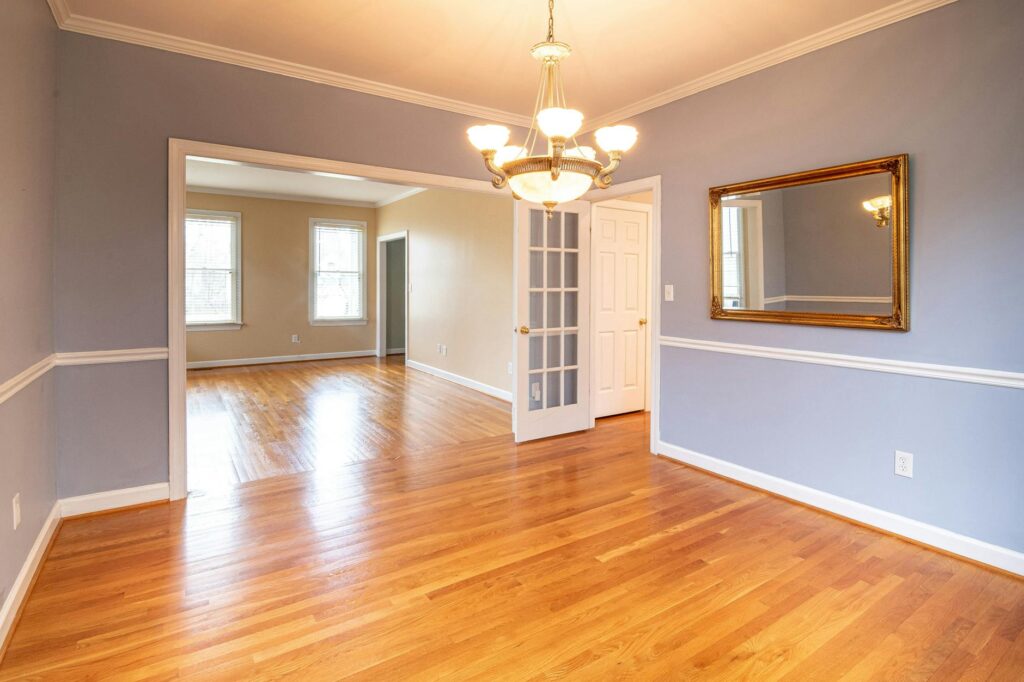
Hardwood Floor Mold: Mould & Damp Guide Part 2
Introduction
Mould and damp issues on hardwood floors can be a homeowner’s worst nightmare. Not only do they ruin the aesthetic appeal of your flooring, but they can also lead to serious structural damage if left untreated. In this guide, we’ll dive into understanding the causes, solutions, and prevention methods to tackle mould and damp effectively.
What Causes Mould & Damp?
Mould thrives in environments with excessive moisture, warmth, and poor ventilation. The main causes of mould and damp on hardwood floors include:
1. High Humidity Levels: Humid weather or poorly ventilated areas can trap moisture.
2. Spills and Leaks: Water from spills or plumbing leaks can seep into the wood.
3. Condensation: Temperature differences can cause condensation on cold surfaces, leading to dampness.
4. Insufficient Insulation: Poorly insulated spaces can contribute to moisture accumulation.
5. Flooding: Water intrusion from external sources can lead to dampness.
Understanding these causes is essential for effective remediation and prevention.
Why This Problem Happens
Mould and damp develop when conditions are ripe for moisture retention. Common scenarios that lead to these problems include:
- Seasonal Changes: During spring and fall, changes in temperature and humidity can introduce dampness.
- Poor Airflow: Rooms with inadequate airflow can trap humidity, especially in areas like basements.
- Neglected Cleaning: Regular cleaning and maintenance are crucial; neglecting spills or cleaning can facilitate mould growth.
- Old or Damaged Floors: Older hardwood floors may have cracks or gaps that allow moisture to penetrate.
- Inspect the area for leaks, spills, or condensation points.
- Check for any signs of water damage on walls or ceilings that may contribute to the problem.
- Clear the area of any furniture, rugs, or removable items to access the affected floor.
- Use fans or dehumidifiers to dry out the space.
- Open windows to improve ventilation, if weather permits.
- Create a cleaning solution using equal parts water and white vinegar or a commercial mould remover.
- Use a soft cloth or sponge to apply the solution to the affected areas.
- Do not soak the wood; focus on surface cleaning.
- For stubborn mould, use a soft-bristle brush to scrub the area lightly.
- Rinse with a clean, damp cloth and dry the area thoroughly.
- Check for any signs of damage to the wood. If the mould has penetrated deeply, you may need to sand or refinish the affected area.
- Keep an eye on the area for any signs of recurring mould.
- Ignoring the Source: Failing to address leaks or humidity issues will lead to recurring problems.
- Using Excessive Water: Over-saturating hardwood can warp the wood and worsen the issue.
- Neglecting to Dry: Not thoroughly drying the area after cleaning can promote mould regrowth.
- Using Harsh Chemicals: Strong chemicals can damage the finish of your hardwood floors.
- Control Humidity: Maintain indoor humidity levels between 30-50%. Use dehumidifiers if necessary.
- Improve Ventilation: Use exhaust fans in bathrooms and kitchens; open windows when weather permits.
- Regular Cleaning: Clean spills immediately and vacuum regularly to remove dust and debris.
- Inspect Regularly: Check for leaks, condensation, and signs of mould at least once a month.
- Seal Gaps: Ensure that gaps between floorboards and around windows are sealed to prevent moisture intrusion.
Identifying the underlying reasons for mould and damp will help you tackle the issue effectively.
How to Fix Mould & Damp (Step-by-Step)
Dealing with mould and damp on hardwood floors requires a systematic approach. Follow these steps for effective remediation:
Step 1: Identify the Source
Step 2: Remove Furniture and Rugs
Step 3: Dry the Area
Step 4: Clean the Mould
Step 5: Scrub Gently
Step 6: Inspect and Repair
Step 7: Monitor the Area
Best Cleaning Methods
When it comes to cleaning mould and damp, several methods stand out:
1. Vinegar Solution: A natural disinfectant, vinegar kills most mould species.
2. Baking Soda: Mix with water to create a paste that can scrub away mould.
3. Hydrogen Peroxide: This can be effective for tougher mould stains.
4. Commercial Cleaners: Look for products specifically designed for mould removal, ensuring they are safe for hardwood.
Choose the method that best suits your needs and always test on a small, inconspicuous area first.
Common Mistakes to Avoid
Avoid these pitfalls when dealing with mould and damp:
Stay vigilant and adhere to best practices for effective mould control.
Prevention Tips
Preventing mould and damp is always easier than remediation. Here are some practical tips:
Implementing these strategies will help maintain a healthy environment for your hardwood floors.
Frequently Asked Questions
1. Can I use bleach to clean mould on hardwood floors?
No, bleach can damage the wood finish and may not effectively penetrate the mould roots. Use vinegar or a commercial mould remover instead.
2. How do I know if my hardwood floor is damaged by mould?
Signs of damage include discoloration, warping, or a damp smell. If you notice these, inspect further and consider professional help.
3. Is it safe to live in a house with mould?
While it’s best to address mould issues promptly, minor instances may not pose immediate health risks. However, prolonged exposure can lead to health issues, so remediation is crucial.
4. How long does it take to remove mould from hardwood floors?
The time required depends on the extent of the mould. Simple cases can be resolved in a few hours, while extensive damage may require days to properly address.
5. Can I prevent mould with regular cleaning?
Yes, regular cleaning helps remove moisture and debris that can promote mould growth. Make it a part of your routine.
6. What should I do if mould keeps returning?
If mould keeps returning, reassess the source of moisture. You may need to consult a professional for a thorough inspection and remediation plan.
Conclusion
Mould and damp on hardwood floors are manageable issues when approached correctly. By understanding the causes, employing effective cleaning methods, and implementing preventive measures, you can protect your floors and maintain a healthy home environment. Regular maintenance and vigilance will help ensure your hardwood flooring remains beautiful and mould-free for years to come.