
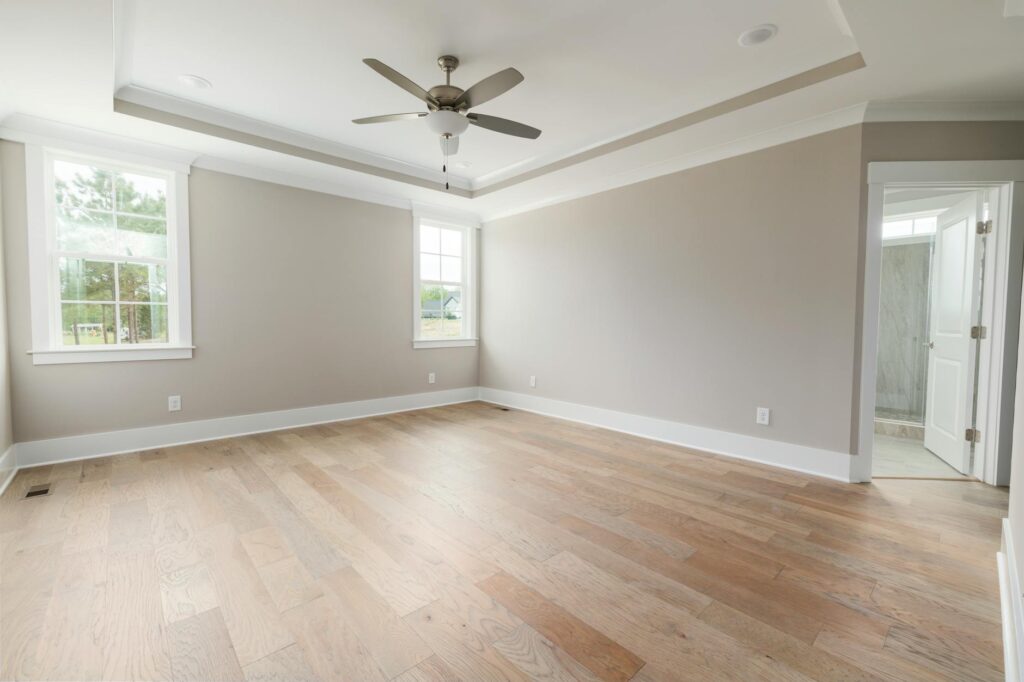
Hardwood Floor Mold: Mould & Damp Guide Part 1
Introduction
Hardwood floors are a beautiful addition to any home, but they can be susceptible to mould and dampness if not cared for properly. This guide aims to help homeowners understand the causes of mould and damp, how to effectively address these issues, and prevent them from recurring.
What Causes Mould & Damp?
Mould thrives in damp, humid conditions. Common causes of mould growth on hardwood floors include:
- High Humidity Levels: Excess moisture in the air can lead to dampness on hardwood floors.
- Water Leaks: Plumbing issues or leaks can introduce water to your flooring.
- Condensation: Poor ventilation can cause moisture to accumulate on floors.
- Flooding: Water from heavy rains or plumbing failures can severely impact flooring.
- Improper Installation: If hardwood floors are not installed correctly, gaps or spaces can trap moisture.
- Lack of Ventilation: Poor air circulation can lead to humidity build-up.
- Climate Factors: Humid climates naturally increase the likelihood of mould.
- Neglecting Maintenance: Regular cleaning and upkeep are essential for preventing mould.
- Inspect the affected area to determine the extent of the mould growth.
- Check for any signs of water damage or leaks.
- Protective gloves and mask
- Bucket
- Soft-bristled brush
- Cleaning solution (vinegar, baking soda, or commercial mould cleaner)
- Microfiber cloths
- Fan or dehumidifier
- Use a soft-bristled brush to gently scrub the mould off the surface of the floor.
- Be careful not to damage the wood.
- Mix your cleaning solution in a bucket (for example, one part vinegar to two parts water).
- Dip a microfiber cloth into the solution and wring it out.
- Wipe the affected area thoroughly, ensuring you cover all mould spots.
- Use a fan or dehumidifier to dry the area completely.
- Ensure good air circulation to prevent future dampness.
- Check the cleaned area over the next few days for any signs of mould returning.
- Mix equal parts of white vinegar and water.
- Spray on the affected area and wipe clean with a microfiber cloth.
- Mix baking soda with a small amount of water to form a paste.
- Apply it to the mouldy area, let it sit for 10-15 minutes, and scrub gently with a soft brush.
- If natural solutions don’t work, consider a commercial mould cleaner specifically designed for hardwood floors. Follow the manufacturer’s instructions for use.
- Ignoring the Source of Moisture: Always address the cause of the dampness before cleaning.
- Using Excessive Water: Too much water can damage hardwood; always wring out cloths thoroughly.
- Neglecting Ventilation: Ensure the area is well-ventilated during and after cleaning.
- Skipping Regular Maintenance: Don’t wait for mould to appear. Regularly clean and check your floors.
- Control Humidity Levels: Use a dehumidifier in humid climates to keep moisture at bay.
- Improve Ventilation: Open windows and use fans to increase airflow, particularly in damp areas.
- Address Leaks Promptly: Repair any plumbing or roof leaks immediately to prevent water damage.
- Regular Cleaning: Clean your floors regularly to remove dust and moisture.
Understanding these causes is the first step in tackling mould and damp issues.
Why This Problem Happens
Mould and damp can occur for several reasons:
Identifying the underlying reasons for mould growth is crucial for effective remediation.
How to Fix Mould & Damp (Step-by-Step)
If you discover mould on your hardwood floors, follow these steps to effectively tackle the issue:
Step 1: Assess the Damage
Step 2: Gather Your Supplies
You will need:
Step 3: Remove Loose Mould
Step 4: Clean the Area
Step 5: Dry the Area
Step 6: Monitor the Area
Best Cleaning Methods
When it comes to cleaning mould from hardwood floors, consider these methods:
Vinegar Solution
Baking Soda Paste
Commercial Mould Cleaners
Common Mistakes to Avoid
When dealing with mould and damp on hardwood floors, avoid these pitfalls:
Prevention Tips
Preventing mould and damp on your hardwood floors requires a proactive approach:
Frequently Asked Questions
1. How can I tell if my hardwood floor has mould?
Look for black or greenish spots on the surface. A musty smell can also indicate mould presence.
2. Can I use bleach to clean mould off hardwood floors?
Bleach can damage wood and is not recommended. Stick to vinegar or baking soda solutions instead.
3. How can I prevent mould from returning?
Control humidity, improve ventilation, and perform regular cleaning to keep mould at bay.
4. Is it safe to remove mould myself?
Yes, as long as you take precautions like wearing gloves and a mask. However, for extensive growth, consider hiring a professional.
5. Can mould damage my hardwood floors permanently?
If left untreated, mould can weaken the wood and cause irreversible damage. Prompt action is essential.
6. What should I do if mould keeps coming back?
Investigate and resolve any underlying moisture issues, and consider consulting a professional for thorough inspection and remediation.
By following these guidelines, you can effectively manage mould and damp on your hardwood floors, ensuring they remain beautiful and last for years to come. Stay vigilant, and keep your home a clean and healthy space.