
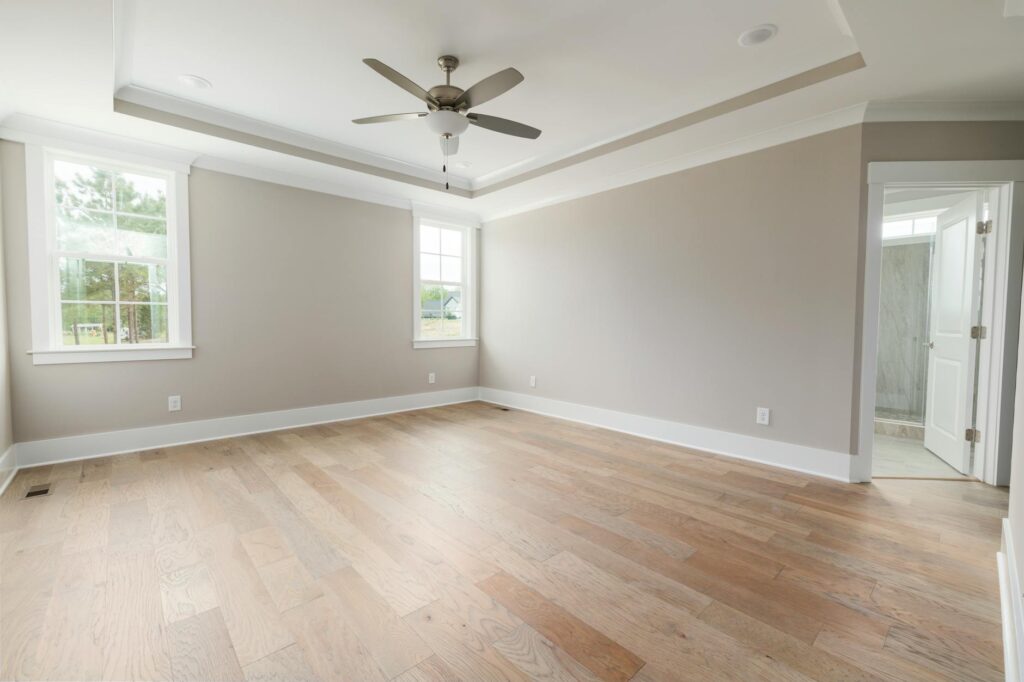
Hardwood Floor Mold Bathroom Guide Part 1
Introduction
Mold on hardwood floors in the bathroom is not just unsightly; it can also contribute to unpleasant odors and damage your flooring. Understanding how mold develops and how to effectively tackle it is essential for maintaining a healthy home environment. In this guide, we’ll explore the causes of bathroom mold, how to fix it step-by-step, and tips for prevention.
What Causes Bathroom Mold?
Mold thrives in damp, warm environments. In bathrooms, several factors contribute to mold growth on hardwood floors:
1. Humidity: Bathrooms are often humid due to showers and baths, creating an ideal environment for mold.
2. Poor Ventilation: Lack of airflow can trap moisture, allowing mold to flourish.
3. Water Leaks: Leaky faucets, toilets, or showerheads can saturate the floor and lead to mold.
4. Condensation: Temperature fluctuations can create condensation on surfaces, adding moisture to the air.
Why This Problem Happens
Understanding the dynamics of your bathroom is crucial in addressing mold issues. Here are some reasons why mold may invade your hardwood floors:
- Infrequent Cleaning: Dust and dirt can hold moisture and promote mold growth.
- Neglected Maintenance: Ignoring leaks or damp spots can lead to bigger mold problems.
- Improper Flooring Installation: If the hardwood isn’t adequately sealed or installed over a moisture-prone area, mold is more likely to develop.
- Rubber gloves
- Face mask
- Bucket
- Soft-bristled brush or sponge
- Mold removal solution (store-bought or DIY)
- Clean cloths
- Vacuum cleaner with a HEPA filter
- Skipping Safety Gear: Always wear gloves and a mask to protect yourself.
- Using Excess Water: Too much moisture can worsen the problem. Use damp, not soaking, cloths.
- Neglecting Drying: Failing to dry the area thoroughly allows mold to return.
How to Fix Bathroom Mold (Step-by-Step)
Getting rid of mold on hardwood floors requires diligence and the right approach. Follow these steps to tackle the issue effectively:
Step 1: Gather Your Supplies
You will need:
Step 2: Ensure Safety
Before starting, ensure good ventilation by opening windows or using fans. Wear rubber gloves and a face mask to protect yourself from mold spores.
Step 3: Remove Furniture
Take out any furniture or items on the floor to give yourself a clear workspace.
Step 4: Identify Affected Areas
Inspect the hardwood floor for visible mold spots. Look in corners, under sinks, and near the shower.
Step 5: Vacuum
Use a vacuum with a HEPA filter to remove loose mold spores and debris. Be sure to vacuum surrounding areas as well.
Step 6: Apply Mold Removal Solution
Use a mold removal solution according to the manufacturer’s instructions, or create a DIY mix of equal parts water and white vinegar. Apply it to the moldy areas.
Step 7: Scrub
With a soft-bristled brush or sponge, gently scrub the affected areas to lift the mold. Avoid excessive scrubbing, which may damage the wood.
Step 8: Rinse
After scrubbing, wipe the area with a clean, damp cloth to remove any residue from the cleaning solution.
Step 9: Dry Thoroughly
Use fans or open windows to dry the area completely. Mold thrives in moisture, so ensure the floor is entirely dry.
Step 10: Inspect and Repeat
After drying, inspect for any remaining mold. If necessary, repeat the cleaning process.
Best Cleaning Methods
When it comes to cleaning hardwood floor mold, you have several effective options:
1. Vinegar: An excellent natural mold killer, vinegar can be used directly on moldy areas.
2. Baking Soda: Mix with water to create a paste, scrub the affected area, and rinse.
3. Commercial Mold Cleaners: Ensure they are safe for hardwood floors. Follow instructions closely.
Common Mistakes to Avoid
Avoid these pitfalls to ensure effective mold removal:
Prevention Tips
Keeping mold at bay is more manageable than removing it. Here are some tips:
1. Improve Ventilation: Install exhaust fans and ensure windows can open.
2. Regular Cleaning: Clean the bathroom at least once a week to prevent moisture buildup.
3. Fix Leaks Promptly: Address any leaks immediately to avoid water accumulation.
4. Use Mold-Resistant Products: Consider mold-resistant materials for renovations or replacements.
Frequently Asked Questions
1. How long does it take for mold to grow on hardwood floors?
Mold can begin to grow within 24 to 48 hours in a damp environment.
2. Can I use bleach to clean mold from hardwood floors?
Bleach is not recommended for hardwood floors as it can damage the wood. Opt for vinegar or a commercial cleaner designed for wood.
3. What should I do if mold keeps returning?
If mold returns, evaluate your bathroom’s ventilation and moisture levels. You may need to consult a professional for persistent issues.
4. Is mold on hardwood floors dangerous?
While some molds are harmless, prolonged exposure can lead to health issues. It’s best to address mold promptly.
5. How can I tell if my hardwood floor is damaged by mold?
Look for discoloration, warping, or a musty smell. If you notice these signs, it may be time to consult a professional.
6. Can I prevent mold without cleaning products?
Yes, maintaining good ventilation, regulating humidity, and regular cleaning can help prevent mold without the use of chemical products.
By following these guidelines, you can effectively manage and prevent mold on your hardwood floors in the bathroom. Stay vigilant, and your space will remain clean and healthy.