
Hard Water Stains Guide Part 2
Introduction
Hard water stains are a common nuisance in many households. These unsightly deposits can be found on various surfaces, including faucets, shower doors, and sinks. In this guide, we will explore what causes these stains, why they occur, and how to effectively remove them. We will also share the best cleaning methods, common mistakes to avoid, and prevention tips to keep your home looking its best.
What Causes Stains?
Hard water stains are primarily caused by minerals found in hard water, particularly calcium and magnesium. When water evaporates, these minerals are left behind, forming deposits on surfaces. Over time, these deposits harden and become more difficult to remove. Common areas where hard water stains appear include:
- Showerheads
- Faucets
- Bathtubs
- Tiles
- Glass shower doors
- Kitchen sinks
- White vinegar or lemon juice
- Baking soda
- Spray bottle
- Soft cloth or sponge
- Scrub brush (non-abrasive)
- Rubber gloves
- Bucket
- Water
Why This Problem Happens
The presence of hard water in your home is often due to the local water supply. Areas with high mineral content in their water will experience more significant hard water stains. Additionally, the frequency of cleaning can impact the severity of these stains. If left untreated, hard water stains can lead to more permanent damage to fixtures and surfaces.
How to Fix Stains (Step-by-Step)
Step 1: Gather Your Supplies
Before you start, gather the following supplies:
Step 2: Apply the Cleaning Solution
1. Vinegar Method: Fill a spray bottle with equal parts white vinegar and water. Spray the solution generously on the stained area.
2. Lemon Juice Method: If you prefer a natural approach, apply lemon juice directly to the stain.
Step 3: Let it Sit
Allow the solution to sit for 10 to 15 minutes. This will help break down the mineral deposits.
Step 4: Scrub the Area
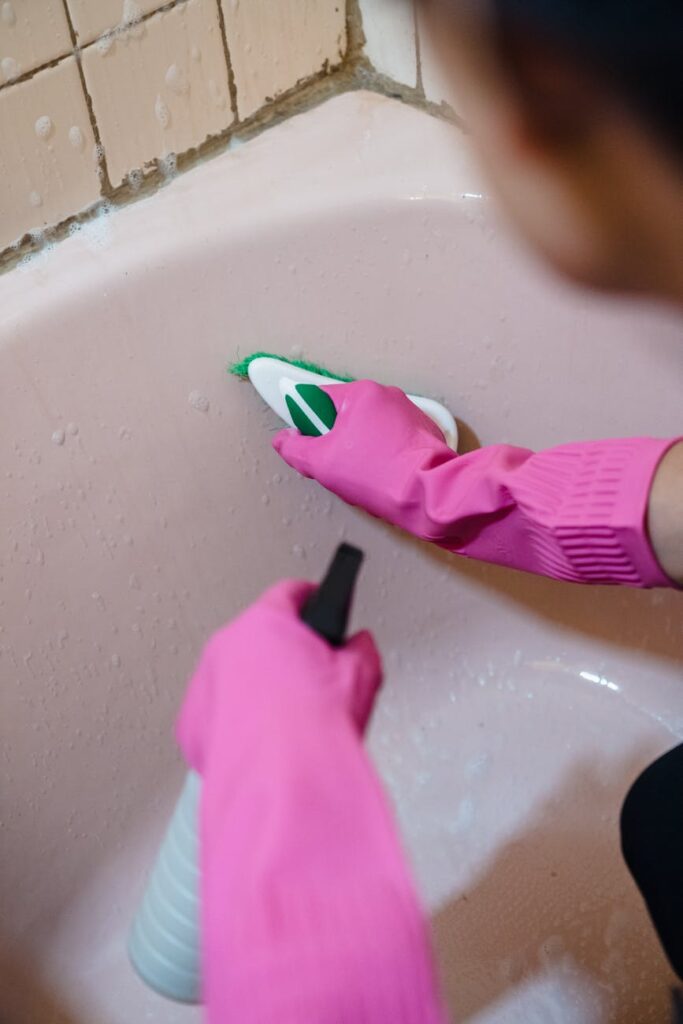
Using a non-abrasive scrub brush or sponge, scrub the area gently. For tough stains, sprinkle baking soda on top of the vinegar or lemon juice before scrubbing for added abrasion.
Step 5: Rinse Thoroughly
Once you’ve scrubbed the stains, rinse the area with clean water to remove any remaining cleaning solution and loosened deposits.
Step 6: Dry the Surface
Use a soft cloth to dry the surface thoroughly. This prevents new stains from forming.
Best Cleaning Methods
1. Vinegar and Baking Soda
This classic combination is highly effective for removing hard water stains. Vinegar dissolves mineral deposits, while baking soda adds scrubbing power.
2. Commercial Cleaners
For stubborn stains, consider using a commercial hard water stain remover. Ensure that it is safe for the surface you are treating.
3. Magic Erasers
These sponges work wonders on hard water stains on various surfaces. Just dampen the eraser and scrub the stained area.
4. Lemon Juice
The citric acid in lemon juice is a natural alternative that helps dissolve hard water stains without harsh chemicals.
Common Mistakes to Avoid
1. Using Abrasive Materials
Avoid steel wool or other abrasive pads that can scratch surfaces. Stick to soft cloths and non-abrasive brushes.
2. Not Rinsing Properly
Failing to rinse thoroughly can leave cleaning residue, which may attract dirt and lead to new stains.
3. Ignoring Stains
Addressing stains promptly prevents them from becoming more difficult to remove. Don’t let them sit for too long.
4. Overusing Cleaning Products
More is not always better. Using too much cleaning product can lead to buildup and make stains harder to remove.
Prevention Tips
1. Regular Cleaning
Make it a habit to clean surfaces regularly to prevent hard water stains from forming. A quick wipe-down after use can go a long way.
2. Use Water Softeners
Installing a water softener can significantly reduce hard water mineral content, minimizing stains.
3. Dry Surfaces
After using water, dry surfaces with a towel to prevent minerals from settling and forming stains.
4. Seal Grout and Tile
Applying a sealant to grout and tile can protect them from stains and make future cleaning easier.
Frequently Asked Questions
1. How often should I clean hard water stains?
It’s best to clean hard water stains at least once a month to prevent buildup.
2. Can hard water stains damage my fixtures?
Yes, if left untreated, hard water stains can lead to corrosion and permanent damage to your fixtures.
3. Are natural cleaners as effective as commercial ones?
Natural cleaners like vinegar and lemon juice can be very effective, especially for light to moderate stains. For heavy stains, a commercial cleaner may be necessary.
4. Can I use vinegar on all surfaces?
Vinegar is safe for most surfaces, but avoid using it on natural stone, such as granite or marble, as it can damage the finish.
5. What’s the best way to maintain my shower?
Regularly wipe down shower walls and doors with a squeegee after each use to minimize hard water stains.
6. Does hard water affect my skin and hair?
While it doesn’t cause direct harm, hard water can lead to dry skin and hair. Consider installing a shower filter to help alleviate these issues.
By following these practical steps and tips, you can effectively tackle hard water stains and maintain a clean, sparkling home. Remember, consistency is key in preventing these stains from becoming a persistent problem.