
Hard Water Stains Odours Guide Part 2
Introduction
Hard water stains are a common nuisance in many households, leaving unsightly marks on surfaces like sinks, showerheads, and tiles. However, they can also lead to unpleasant odours that linger in your home. In this guide, we will explore the causes of these odours, why they occur, and most importantly, how to effectively eliminate them.
What Causes Odours?
The odours associated with hard water stains primarily stem from the minerals found in hard water, such as calcium and magnesium, as well as impurities that can adhere to surfaces. When these minerals accumulate, they can create a breeding ground for bacteria and mold, especially in damp areas like bathrooms and kitchens.
Additionally, soap scum can mix with hard water minerals, producing a musty smell. If left untreated, these odours can permeate your living space, making it uncomfortable.
Why This Problem Happens
1. Mineral Build-Up: Hard water contains high levels of minerals. When water evaporates, these minerals are left behind, forming stains. Over time, they can trap moisture and organic matter, leading to unpleasant smells.
2. Bacterial Growth: The damp environment created by hard water stains can encourage bacteria and mold growth. These microorganisms can emit foul-smelling compounds.
3. Soap Scum: When soap mixes with hard water, it forms soap scum. This residue not only clogs drains but also provides a habitat for bacteria.
4. Poor Ventilation: In areas lacking proper airflow, moisture can accumulate, worsening the problem and intensifying any associated odours.
How to Fix Odours (Step-by-Step)
Step 1: Identify Affected Areas
Start by inspecting areas prone to hard water stains, such as sinks, faucets, and showerheads.
Step 2: Prepare Cleaning Solution
Mix equal parts of white vinegar and water in a spray bottle. For tougher stains, consider adding a few tablespoons of baking soda to the mixture.
Step 3: Apply the Solution
Spray the affected areas thoroughly. Allow the solution to sit for at least 15-20 minutes. This will help break down the mineral deposits.
Step 4: Scrub the Surface
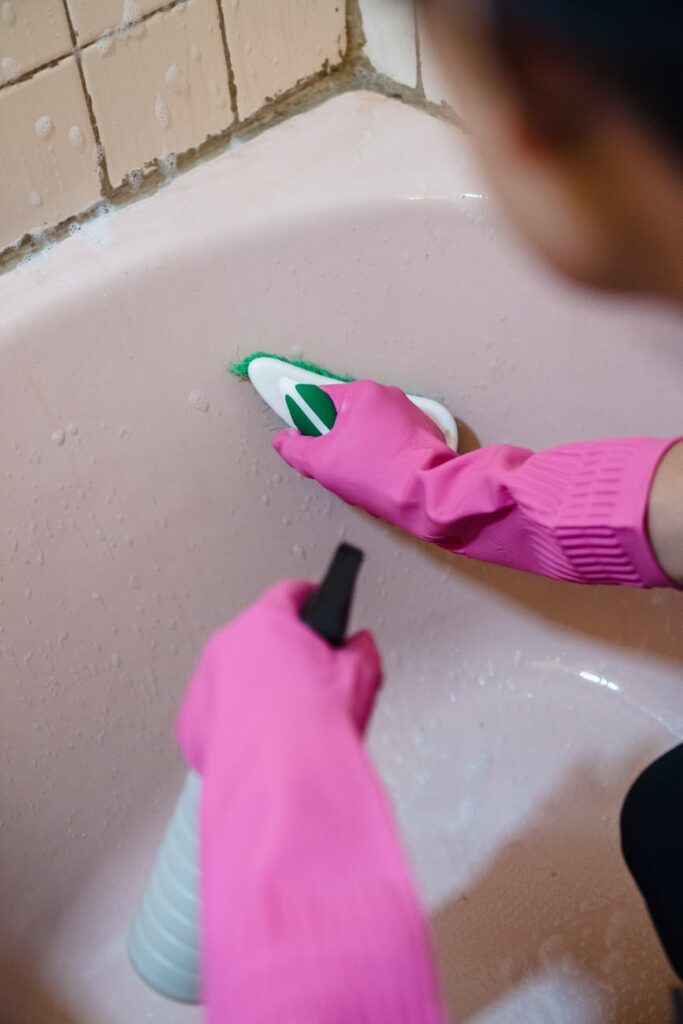
Using a non-abrasive scrubbing sponge or a soft brush, scrub the stained areas. Pay special attention to crevices where grime can accumulate.
Step 5: Rinse Thoroughly
Rinse the area with clean water to remove any remaining cleaning solution and loosened debris.
Step 6: Dry the Surface
Wipe the area dry with a microfiber cloth. This will help prevent new stains and odours from forming.
Best Cleaning Methods
1. Vinegar and Baking Soda: A powerful combination that effectively tackles both hard water stains and associated odours. The acidity of vinegar dissolves minerals, while baking soda acts as a gentle abrasive.
2. Commercial Hard Water Stain Removers: Many products are specifically designed for hard water issues. Look for ones that are eco-friendly and safe for your surfaces.
3. Lemon Juice: The natural acidity in lemon juice can break down hard water stains and leave a fresh scent.
4. Hydrogen Peroxide: This can be used in conjunction with baking soda for a more potent cleaning solution, especially in areas with persistent odours.
Common Mistakes to Avoid
1. Using Abrasive Cleaners: Avoid harsh scrubbers or abrasive chemicals, which can damage delicate surfaces.
2. Not Rinsing Thoroughly: Failing to rinse off cleaning solutions can lead to residue buildup, worsening odours.
3. Ignoring Ventilation: Clean areas without proper airflow can lead to recurring odours. Always ensure that the space is well-ventilated.
4. Neglecting Regular Cleaning: Allowing hard water stains and soap scum to build up makes them harder to remove over time. Regular maintenance is key.
Prevention Tips
1. Install a Water Softener: This can significantly reduce hard water mineral buildup in your home.
2. Wipe Down Surfaces Regularly: After using sinks or showers, quickly wipe down surfaces to prevent moisture accumulation.
3. Use a Squeegee: In the bathroom, use a squeegee on glass doors and tiles after showers to minimize water spots.
4. Seal Grout and Tiles: Applying a sealant can protect porous surfaces from mineral deposits.
5. Keep the Bathroom Dry: Use exhaust fans or open windows to decrease humidity levels.
6. Regularly Clean Fixtures: Establish a routine cleaning schedule to keep hard water stains and odours at bay.
Frequently Asked Questions
1. How often should I clean hard water stains?
Aim to clean hard water stains at least once a month to prevent buildup.
2. Can I use bleach to remove hard water stains?
Bleach is not recommended as it does not effectively remove mineral stains and can produce harmful fumes when mixed with other cleaners.
3. What surfaces are most affected by hard water stains?
Commonly affected surfaces include bathroom tiles, faucets, showerheads, and glass shower doors.
4. Is there a natural remedy for hard water odours?
Yes, a mixture of vinegar and baking soda is an effective natural remedy for both stains and odours.
5. Will a water softener eliminate hard water stains completely?
A water softener will significantly reduce hard water stains but may not completely eliminate existing stains. Regular cleaning is still necessary.
6. How can I tell if my water is hard?
You can test your water hardness with a water testing kit available at most home improvement stores, or you may notice soap not lathering well and mineral deposits on fixtures.
By following the steps and tips outlined in this guide, you can effectively combat hard water stains and the odours they produce, ensuring a fresher and cleaner home.