
Hard Water Stains Bathroom Guide Part 2
Introduction
Hard water stains are a common nuisance in bathrooms, leaving unsightly marks on faucets, showerheads, tiles, and glass surfaces. These stains can be frustrating and give your bathroom a neglected appearance. In this guide, we’ll delve into the causes of hard water stains, why they occur, and provide actionable steps to remove them effectively.
What Causes Bathroom Hard Water Stains?
Hard water contains high levels of minerals, primarily calcium and magnesium. When hard water evaporates, these minerals are left behind, forming stains. Common sources include:
- Showers and Bathtubs: Water splashes create residue.
- Sinks: Frequent use leads to buildup around faucets.
- Toilets: Mineral deposits can accumulate over time.
- Glass Surfaces: Water spots on mirrors and shower doors.
- High Mineral Content: Areas with hard water naturally have higher calcium and magnesium levels.
- Infrequent Cleaning: Allowing stains to build up makes them harder to remove.
- Heat: Hot water can accelerate evaporation, leaving more deposits.
- White vinegar or lemon juice
- Baking soda
- Spray bottle
- Soft cloth or sponge
- Old toothbrush
- Scrubber (non-abrasive)
- Rubber gloves
- Spray white vinegar directly onto the stained area.
- Let it sit for about 5–10 minutes.
- Mix equal parts of vinegar and water in a spray bottle.
- Spray the solution on the stained area and let it sit for 15 minutes.
- Using Abrasive Scrubbers: Steel wool or harsh scrubbers can scratch surfaces, especially glass. Stick to soft cloths or sponges.
- Neglecting Regular Maintenance: Waiting too long between cleanings allows stains to build up, making them harder to remove.
- Ignoring Manufacturer Instructions: Always check the cleaning instructions for your bathroom fixtures to avoid damaging them.
- Using the Wrong Cleaner: Some cleaners can react poorly with specific materials. Ensure compatibility before use.
Understanding the sources helps target cleaning efforts more effectively.
Why This Problem Happens
Hard water stains develop when water evaporates quickly, leaving behind mineral deposits. This is particularly common in areas with high humidity or when water is left standing. Factors contributing to hard water stains include:
Recognizing these factors can help you tackle the issue before it becomes unmanageable.
How to Fix Bathroom Hard Water Stains (Step-by-Step)
Step 1: Gather Your Supplies
Before you start cleaning, you’ll need the following tools:
Step 2: Apply the Cleaning Solution
1. For Light Stains:
2. For Tough Stains:
Step 3: Scrub the Stains
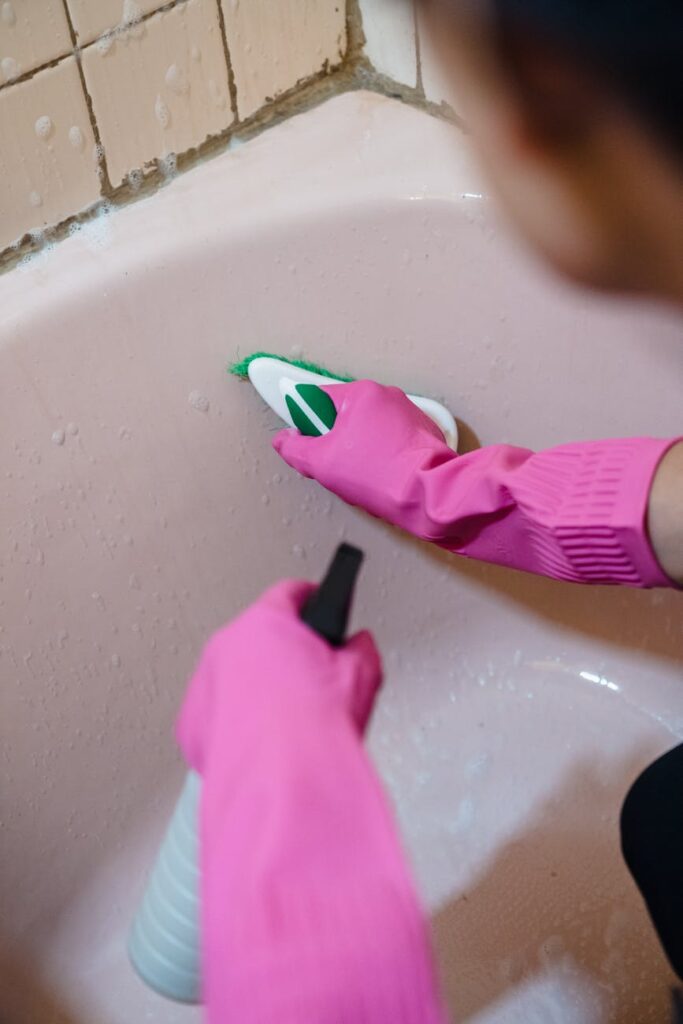
Using a soft cloth or sponge, gently scrub the stained area. For crevices and tight spots, use an old toothbrush.
Step 4: Rinse and Dry
After scrubbing, rinse the area with warm water to remove any remaining cleaning solution. Wipe the surface dry with a clean cloth to prevent new stains from forming.
Step 5: Repeat if Necessary
For stubborn stains, you may need to repeat the cleaning process. Baking soda can also be used as a gentle abrasive. Sprinkle it on the area after applying vinegar, then scrub gently.
Best Cleaning Methods
1. Vinegar and Baking Soda: This classic combination is effective for most surfaces. The acidity of vinegar helps dissolve minerals, while baking soda provides gentle abrasion.
2. Commercial Cleaners: If home remedies don’t work, consider a commercial hard water stain remover. Always read the label to ensure it’s safe for your bathroom surfaces.
3. Lemon Juice: Its natural acidity makes it a great alternative to vinegar, especially for glass surfaces.
4. Borax: This is another effective cleaning agent. Sprinkle it on stains, scrub with a damp sponge, and rinse thoroughly.
Common Mistakes to Avoid
Prevention Tips
1. Wipe Down Surfaces Regularly: After each use, take a moment to wipe down faucets, sinks, and shower doors to reduce buildup.
2. Install a Water Softener: This can significantly reduce the hardness of your water, minimizing stains.
3. Use Squeegees: After showering, use a squeegee on glass and tiles to remove excess water.
4. Seal Grout and Tile: Applying a sealant can help protect surfaces from mineral deposits.
5. Regular Cleaning Schedule: Establish a weekly cleaning routine to prevent stains from becoming entrenched.
Frequently Asked Questions
1. How often should I clean hard water stains?
Aim for at least once a month, but weekly maintenance is ideal to prevent buildup.
2. Can I use vinegar on all surfaces?
Vinegar is safe for most surfaces, but avoid using it on natural stone like granite or marble.
3. Will hard water stains damage my bathroom fixtures?
Over time, yes. If left untreated, mineral deposits can cause corrosion and damage.
4. Are commercial cleaners better than homemade solutions?
It depends on the severity of the stains. Homemade solutions are often effective for light stains, while commercial cleaners may be necessary for tough buildup.
5. Can hard water stains return after cleaning?
Yes, if preventative measures aren’t taken, stains can reappear. Regular maintenance is key.
6. Is it safe to mix different cleaning products?
No, mixing different cleaning agents can be dangerous. Stick to one cleaner at a time and always read labels.
By following these steps and tips, you can effectively combat hard water stains in your bathroom, ensuring a sparkling clean space that you can be proud of.