
Hard Water Buildup Stains Guide Part 2
Introduction
Hard water stains are a common nuisance in many households. Made up of minerals like calcium and magnesium, they leave unsightly spots on your faucets, showerheads, and glass surfaces. In this guide, we’ll dive deep into the causes of hard water stains, why they occur, and provide practical solutions to tackle this cleaning challenge effectively.
What Causes Stains?
Hard water stains occur when water evaporates and leaves mineral deposits behind. This happens in areas where water is frequently used, such as:
- Bathroom fixtures: Showers, tubs, and sinks.
- Kitchen appliances: Dishwashers and sinks.
- Windows and glass doors: Where water frequently splashes.
- High Mineral Content: Areas with hard water naturally contain more minerals. If your water comes from a well or if your municipality has high mineral content in its supply, you’re likely to experience more stains.
- Temperature: Hot water can exacerbate the problem, as heat causes water to evaporate more quickly, leaving behind more minerals.
- Poor Ventilation: In humid areas, moisture can linger and contribute to the buildup of stains.
- White vinegar or lemon juice
- Baking soda
- A spray bottle
- Soft cloths or sponges
- A non-abrasive scrub brush
- Rubber gloves (optional)
- Pour white vinegar into a spray bottle.
- Spray the affected area liberally and let it sit for 10-15 minutes.
- Mix baking soda with a little water to create a paste.
- Apply the paste over the vinegar-soaked area.
- Using Abrasive Cleaners: Harsh scrubbers or abrasive cleaners can scratch surfaces, making stains harder to remove in the future.
- Neglecting Rinsing: Always rinse thoroughly after cleaning to prevent residue buildup, which can attract more stains.
- Ignoring Stains: The longer you wait to clean hard water stains, the harder they may become to remove. Regular maintenance is key.
The stains typically appear as cloudy spots or white streaks and can build up over time if not addressed.
Why This Problem Happens
Understanding why hard water stains occur can help you tackle the problem more effectively. Here are some contributing factors:
How to Fix Stains (Step-by-Step)
Cleaning hard water stains doesn’t have to be a daunting task. Follow these simple steps to restore your surfaces:
Step 1: Gather Your Supplies
You’ll need:
Step 2: Apply the Solution
1. Vinegar Method:
2. Baking Soda Paste:
Step 3: Scrub Away Stains
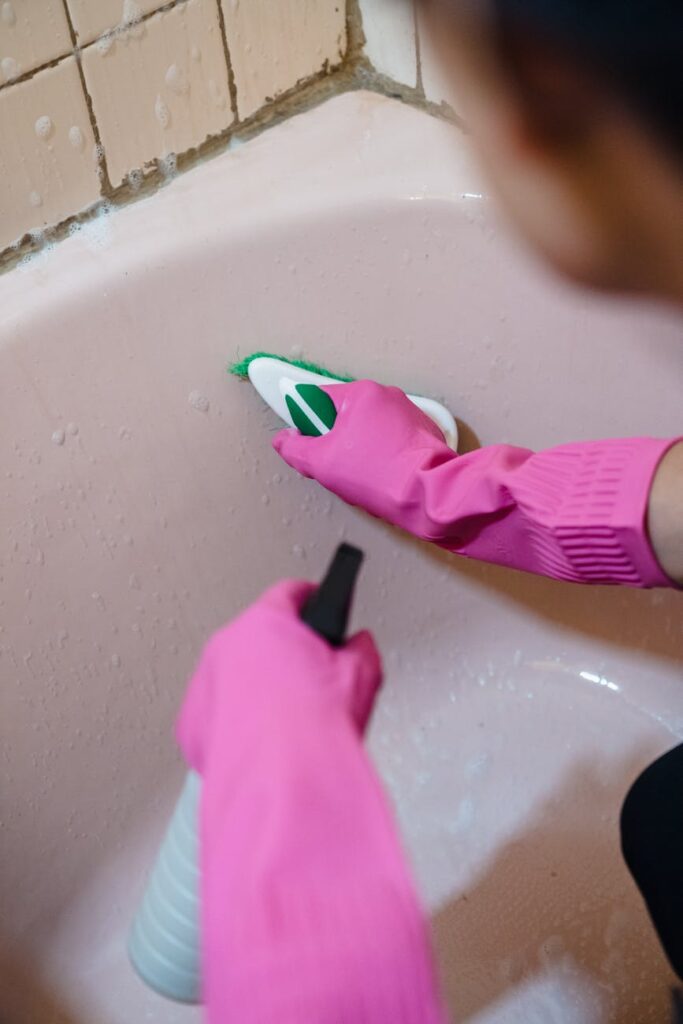
Using a soft cloth or non-abrasive scrub brush, gently scrub the area in circular motions. This will help to lift the mineral deposits without damaging the surface.
Step 4: Rinse Thoroughly
Once the stains are lifted, rinse the area with warm water to remove any residue. Dry with a clean cloth to prevent new stains from forming.
Step 5: Repeat if Necessary
For stubborn stains, you may need to repeat the process. Persistent buildup can require multiple treatments.
Best Cleaning Methods
Here are some of the most effective methods to tackle hard water stains:
1. Vinegar and Baking Soda
This classic combination effectively breaks down mineral deposits. Vinegar’s acidity dissolves the minerals, while baking soda acts as a gentle abrasive.
2. Commercial Cleaners
If DIY methods don’t work, consider using a commercial hard water stain remover. Look for products specifically designed for mineral buildup. Always follow the manufacturer’s instructions for best results.
3. Pumice Stone
For tough stains on porcelain or ceramic surfaces, a pumice stone can be effective. Wet the stone and gently rub it over the stain. Be cautious not to scratch the surface.
4. Lemon Juice
The natural acidity in lemon juice can help dissolve hard water stains. Apply lemon juice to the stains and let it sit before scrubbing.
Common Mistakes to Avoid
To achieve the best results and protect your surfaces, avoid these common pitfalls:
Prevention Tips
Preventing hard water stains is easier than removing them. Here are some effective strategies:
1. Wipe Down Surfaces Regularly
After using the sink or shower, quickly wipe down surfaces with a dry cloth to remove moisture and prevent mineral deposits from forming.
2. Install a Water Softener
If hard water is a chronic issue, consider installing a water softener. This will reduce the mineral content in your water supply, helping to prevent stains.
3. Use Squeegees in the Shower
Keep a squeegee in your shower to wipe down glass doors and tiles after each use. This simple step can greatly reduce buildup.
4. Regular Cleaning Schedule
Incorporate hard water stain removal into your regular cleaning schedule. Monthly maintenance can save you from tougher cleaning jobs later.
Frequently Asked Questions
1. How can I tell if my water is hard?
You can check for signs like soap not lathering well, spots on glasses after washing, or mineral buildup in appliances.
2. Can hard water stains damage my surfaces?
Yes, if left untreated, hard water stains can etch or damage surfaces, especially softer materials like glass and porcelain.
3. How often should I clean hard water stains?
Regular maintenance is recommended. Depending on your water quality, a monthly cleaning schedule is a good starting point.
4. What’s the best way to clean showerheads affected by hard water?
Soak the showerhead in a mixture of vinegar and water for a few hours, then scrub with an old toothbrush to remove buildup.
5. Are there any eco-friendly options for cleaning hard water stains?
Yes, vinegar and lemon juice are both effective and eco-friendly options for breaking down mineral deposits.
6. What should I do if the stains persist?
If stains remain despite your best efforts, consider using a commercial hard water remover or consult a professional cleaning service.
By understanding the causes and implementing effective cleaning methods, you can keep your home free from hard water stains. Regular maintenance and prevention will save you time and effort in the long run, ensuring your fixtures and surfaces remain clean and sparkling.