
Hard Water Buildup Stains Guide Part 1
Introduction
Hard water buildup is a common issue in many households, leading to unsightly stains and a host of cleaning challenges. Understanding how to deal with these stains effectively can help you maintain a clean and inviting home. This guide will cover the causes of hard water stains, how to fix them, and tips for prevention.
What Causes Stains?
Hard water contains high levels of minerals like calcium and magnesium. When water evaporates, these minerals are left behind, creating a cloudy, white residue on surfaces like faucets, showerheads, and glass doors. Over time, this residue can build up, leading to stubborn stains that are difficult to remove.
Why This Problem Happens
The primary reason hard water stains occur is the mineral content in your water supply. If you live in an area with hard water, regular use of water for cleaning, bathing, and cooking can result in mineral deposits. These deposits are more noticeable in areas with frequent water splashes, like sinks and bathtubs, and can become more pronounced if not addressed promptly.
How to Fix Stains (Step-by-Step)
Removing hard water stains requires a bit of elbow grease but can be done effectively with the right approach. Here’s a step-by-step guide:
Step 1: Gather Your Supplies
You will need:
- White vinegar or lemon juice
- Baking soda
- A spray bottle
- Soft cloths or sponges
- A stiff brush (for tough stains)
- Rubber gloves (optional)
- Mix equal parts of baking soda and vinegar to create a paste. Apply it to stained areas, let it sit for a few minutes, then scrub and rinse.
- If natural solutions aren’t effective, consider using a commercial cleaner designed specifically for hard water stains. Follow the manufacturer’s instructions for best results.
- For larger surfaces like shower doors, a steam cleaner can effectively remove buildup without harsh chemicals.
Step 2: Apply Vinegar or Lemon Juice
Spray white vinegar or lemon juice directly onto the stained area. Both have acidic properties that can help break down mineral deposits.
Step 3: Let It Sit
Allow the solution to sit for at least 10-15 minutes. This will give the acidity time to dissolve the buildup.
Step 4: Scrub the Area
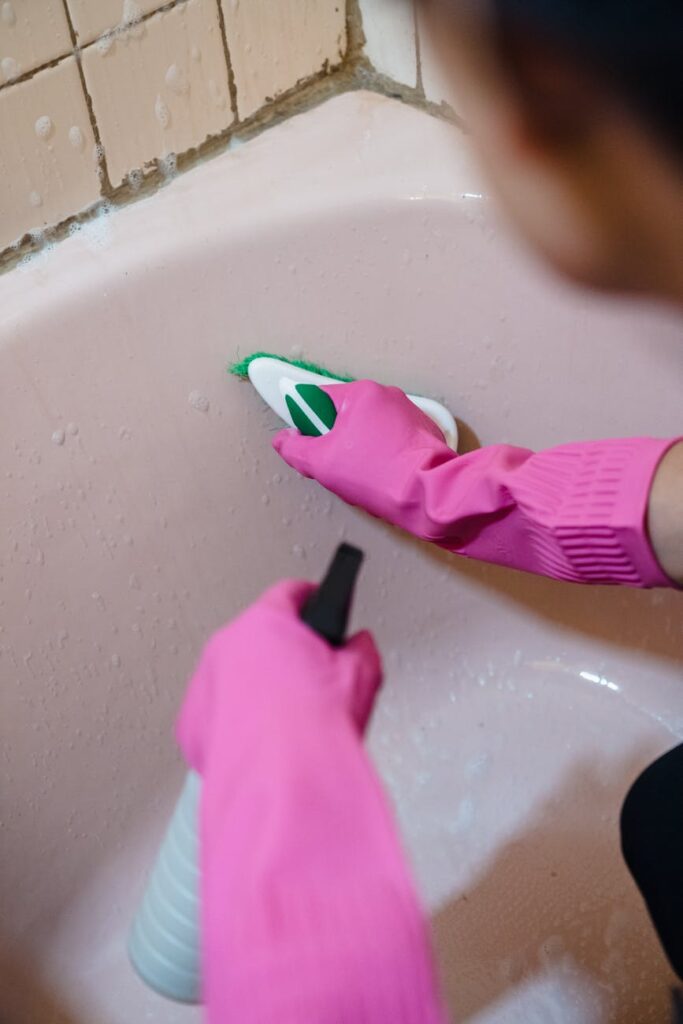
Using a soft cloth or sponge, gently scrub the area. For tougher stains, use a stiff brush but be careful not to scratch the surface.
Step 5: Rinse Thoroughly
Rinse the area with clean water to remove any residue from the vinegar or lemon juice along with the loosened stains.
Step 6: Dry the Surface
Wipe the area dry with a clean cloth to prevent new stains from forming.
Best Cleaning Methods
1. Vinegar and Baking Soda Paste
2. Commercial Hard Water Stain Removers
3. Steam Cleaning
Common Mistakes to Avoid
1. Using Abrasive Cleaners
Avoid using harsh abrasives that can scratch surfaces. Stick to gentler methods unless absolutely necessary.
2. Ignoring Stains
The longer you wait to address hard water stains, the more difficult they can be to remove. Regular cleaning can help prevent buildup.
3. Not Testing Surfaces
Always test a small, inconspicuous area before applying any cleaner to a new surface to avoid damage.
Prevention Tips
1. Install a Water Softener
Consider investing in a water softener system, which can reduce mineral content in your water supply.
2. Regular Cleaning
Wipe down surfaces regularly with a squeegee or cloth after use to prevent mineral deposits from forming.
3. Use a Daily Cleaner
Incorporate a daily cleaning spray designed for hard water stains into your routine, making it easier to keep surfaces clean.
4. Keep Surfaces Dry
After using sinks or showers, ensure that surfaces are dried to minimize water exposure.
5. Use Distilled Water
For tasks that require water, like filling a steam iron or cleaning, consider using distilled water to avoid mineral buildup.
Frequently Asked Questions
1. How often should I clean hard water stains?
It’s best to clean hard water stains at least once a month to prevent buildup. For areas with heavy use, consider weekly cleanings.
2. Can I use bleach to remove hard water stains?
Bleach is not effective for mineral stains and can damage surfaces. Stick to vinegar, lemon juice, or dedicated cleaners.
3. Are there any surfaces that are more prone to hard water stains?
Yes, glass surfaces like shower doors, faucets, and tiles are particularly susceptible to hard water stains.
4. Will hard water stains come back after cleaning?
If not properly maintained, hard water stains can return. Regular cleaning and preventive measures can help keep them at bay.
5. Is it safe to use vinegar on all surfaces?
Vinegar is safe for most surfaces but should be avoided on natural stone, such as granite or marble, as it can etch the surface.
6. What if I have stubborn stains that won’t come off?
For persistent stains, using a commercial hard water stain remover or consulting a professional cleaning service may be necessary.
By following these steps and tips, you can effectively manage hard water buildup stains in your home, keeping your surfaces clean and inviting. Stay tuned for Part 2, where we will delve deeper into advanced cleaning techniques and product recommendations.