
Hard Water Buildup Odours Guide Part 1
Introduction
Dealing with unpleasant odours in your home can be frustrating, especially when they stem from hard water buildup. This guide will help you understand the causes of these odours, why they occur, and how to tackle them effectively. By following the practical steps outlined here, you can restore freshness to your home and eliminate unwanted smells.
What Causes Odours?
Hard water contains high levels of minerals, primarily calcium and magnesium. When hard water evaporates, it leaves behind mineral deposits known as limescale. These deposits can trap organic matter, soap scum, and bacteria, leading to foul odours. The most common areas affected include:
- Faucets and Sinks: Mineral buildup can accumulate around drains and faucet aerators.
- Showerheads: Calcium deposits can lead to stagnant water, which may produce a musty smell.
- Dishwashers and Washing Machines: Residue buildup can lead to unpleasant smells during cycles.
- Toilets: Hard water can create mineral rings, trapping odours.
- Stagnant Water: Water that doesn’t drain properly can become a breeding ground for bacteria and mildew.
- Soap Scum: Hard water reacts with soap, forming a residue that can trap bacteria and cause smells.
- Lack of Regular Cleaning: Infrequent cleaning allows mineral deposits and organic matter to accumulate.
- Inspect sinks, faucets, showerheads, and appliances for visible mineral buildup.
- Check areas where water tends to pool or drain slowly.
- White vinegar
- Baking soda
- A soft scrub brush or sponge
- Microfiber cloths
- A spray bottle
- Spray the vinegar solution onto the faucet and sink areas.
- Let it sit for 10–15 minutes.
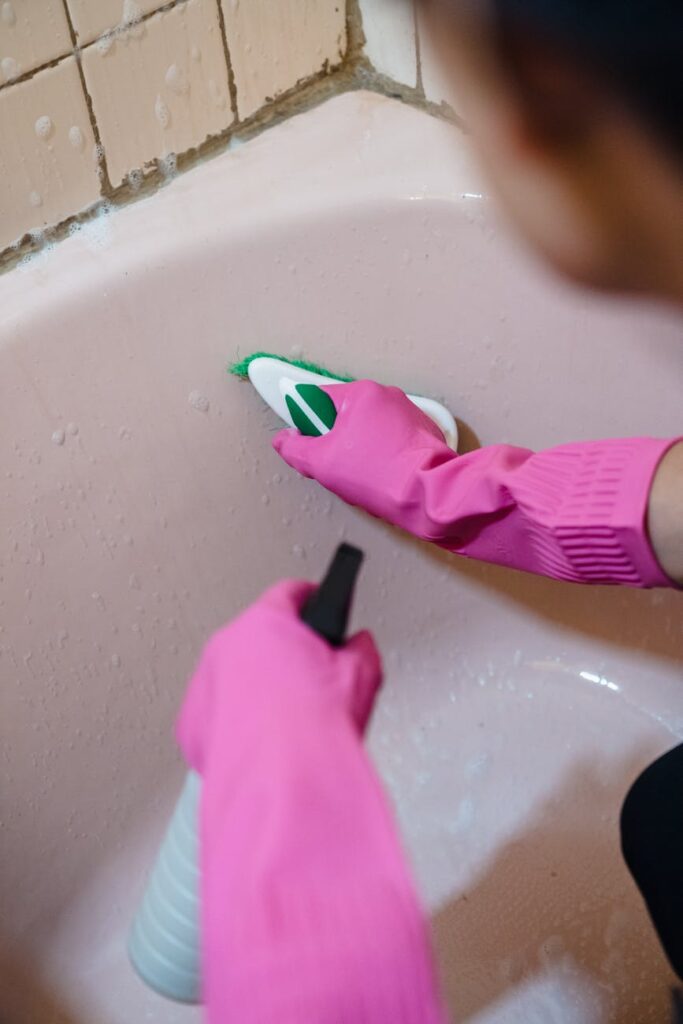
- Scrub with a soft brush or sponge, focusing on mineral deposits.
- Rinse with water and wipe dry.
- Remove the showerhead and soak it in vinegar for a few hours.
- Rinse thoroughly before reattaching.
- For dishwashers, run a cycle with a cup of vinegar placed on the top rack.
- For washing machines, add two cups of vinegar to an empty cycle to clean the drum.
- Sprinkle baking soda around the toilet bowl, followed by vinegar.
- Let it sit for 30 minutes, scrub with a toilet brush, and flush.
- Wipe down all cleaned areas with a dry microfiber cloth.
- Ensure surfaces are dry to prevent future buildup.
Why This Problem Happens
Odours related to hard water buildup are typically exacerbated by the following factors:
Understanding these causes is crucial in effectively addressing and preventing odours.
How to Fix Odours (Step-by-Step)
Step 1: Identify Affected Areas
Step 2: Gather Your Cleaning Supplies
To tackle hard water odours, you’ll need:
Step 3: Create a Cleaning Solution
1. Vinegar Solution: Mix equal parts white vinegar and water in a spray bottle.
2. Baking Soda Paste: Combine baking soda with a small amount of water to form a paste.
Step 4: Clean Affected Surfaces
1. Faucets and Sinks:
2. Showerheads:
3. Dishwashers and Washing Machines:
4. Toilets:
Step 5: Dry and Maintain
Best Cleaning Methods
1. Vinegar and Baking Soda: A potent combination for breaking down mineral deposits and neutralizing odours.
2. Commercial Hard Water Cleaners: If natural methods aren’t effective, consider specialized cleaners designed for hard water removal.
3. Steam Cleaning: Using a steam cleaner can also be effective in eliminating odours and buildup without harsh chemicals.
Common Mistakes to Avoid
1. Neglecting Regular Cleaning: Hard water buildup can accumulate quickly. Make cleaning a regular part of your routine.
2. Using Abrasive Cleaners: Avoid harsh chemicals or scrubbers that could damage surfaces.
3. Not Rinsing Thoroughly: Always rinse surfaces after cleaning to remove any cleaning residue that could contribute to odours.
Prevention Tips
1. Install a Water Softener: This can significantly reduce hard water problems by removing calcium and magnesium.
2. Regularly Clean Surfaces: Establish a cleaning schedule for high-risk areas to prevent buildup.
3. Wipe Down Surfaces After Use: Keeping surfaces dry can help prevent mineral deposits from forming.
4. Use Antimicrobial Products: Consider using cleaning products that inhibit bacteria growth.
Frequently Asked Questions
1. How often should I clean areas affected by hard water?
Regular cleaning every two weeks is recommended, especially in high-use areas like bathrooms and kitchens.
2. Can hard water odours be completely eliminated?
Yes, with consistent cleaning and preventive measures, you can significantly reduce or eliminate hard water odours.
3. What’s the best way to prevent hard water buildup?
Install a water softener, clean surfaces regularly, and keep areas dry after use.
4. Are there specific cleaners I should avoid?
Avoid any abrasive cleaners or those with harsh chemicals that could damage your fixtures or appliances.
5. How can I tell if my water is hard?
You can get a water hardness test kit from a home improvement store or contact your local water provider for information.
6. Can hard water affect my plumbing?
Yes, over time, hard water can cause mineral buildup in pipes, leading to clogs and reduced water flow.
By following these guidelines, you can effectively tackle hard water odours in your home. With a little effort, you can enjoy a fresher and cleaner living space.