
Hard Water Buildup Kitchen Guide Part 1
Introduction
Hard water buildup in the kitchen can be a persistent headache for homeowners. It leaves unsightly stains, clogs faucets, and dulls the shine of your appliances. This guide will help you understand the causes of hard water buildup, how to effectively clean it, and tips for preventing it in the future.
What Causes Kitchen Hard Water Buildup?
Hard water is water that contains high levels of minerals, primarily calcium and magnesium. When hard water evaporates, it leaves behind mineral deposits known as limescale. In the kitchen, these deposits can accumulate on:
- Faucets and sink basins
- Water dispensers and ice makers
- Dishwashers and refrigerators
- Cookware and utensils
- White vinegar or lemon juice
- Baking soda
- Spray bottle
- Soft cloth or sponge
- Scrub brush
- Rubber gloves (optional)
The buildup can occur more rapidly in areas with frequent water use, such as around the sink and dishwasher.
Why This Problem Happens
1. Mineral Content: The primary reason for hard water buildup is the mineral content in your water supply. The higher the levels of calcium and magnesium, the more likely you are to experience buildup.
2. Evaporation: When water evaporates, it leaves behind the minerals, which can form stubborn deposits over time.
3. Infrequent Cleaning: Neglecting regular cleaning can allow deposits to harden, making them more challenging to remove later.
4. Water Temperature: Hot water can accelerate mineral buildup, especially around faucets and appliances that use heated water.
How to Fix Kitchen Hard Water Buildup (Step-by-Step)
Step 1: Gather Your Supplies
Before starting, gather the following:
Step 2: Apply Vinegar or Lemon Juice
1. Spray: Fill a spray bottle with equal parts white vinegar or lemon juice and water. Spray the affected areas generously.
2. Let It Sit: Allow the solution to sit for at least 10-15 minutes. This will help break down the mineral deposits.
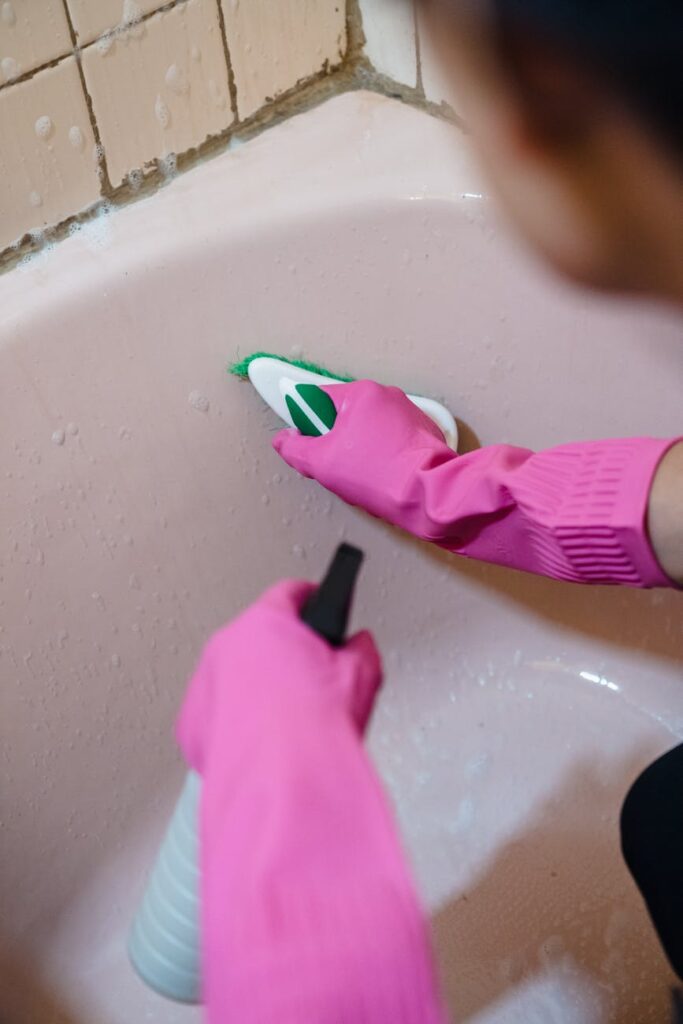
Step 3: Scrub the Affected Areas
1. Use a Soft Cloth/Sponge: Gently scrub the areas with a soft cloth or sponge. For tougher deposits, consider using a scrub brush.
2. Rinse: Rinse the area with warm water to remove any residue from the vinegar or lemon juice.
Step 4: Baking Soda for Stubborn Spots
1. Sprinkle: For areas with stubborn buildup, sprinkle baking soda over the damp surface.
2. Scrub: Use your sponge or scrub brush to work the baking soda into the deposits. The mild abrasiveness helps lift the buildup.
3. Rinse Again: After scrubbing, rinse thoroughly with warm water.
Step 5: Dry the Surfaces
Use a clean towel to dry the surfaces. This step helps prevent new deposits from forming.
Best Cleaning Methods
1. Vinegar Method: An effective solution for most surfaces, vinegar can dissolve mineral deposits quickly.
2. Lemon Juice: The acidity of lemon juice makes it a natural alternative to vinegar, with a pleasant scent.
3. Baking Soda Paste: For stubborn stains, a paste made from baking soda and water can be highly effective.
4. Commercial Cleaners: If natural methods fail, consider using a commercial descaling product specifically designed for hard water buildup.
5. Steam Cleaning: For appliances like dishwashers, a steam cleaner can help remove buildup without harsh chemicals.
Common Mistakes to Avoid
1. Using Abrasive Cleaners: Avoid harsh, abrasive cleaners that can damage surfaces, especially stainless steel.
2. Neglecting Regular Maintenance: Regular cleaning can prevent the buildup from becoming severe. Make it a part of your cleaning routine.
3. Overlooking Hidden Areas: Don’t forget to check under the sink and behind appliances where buildup can accumulate unnoticed.
4. Using Hot Water Too Soon: When cleaning, avoid using hot water immediately after applying a cleaning solution, as it can set the stains.
Prevention Tips
1. Wipe Surfaces Regularly: A quick wipe-down after each use can prevent mineral deposits from forming.
2. Use a Water Softener: Consider installing a water softener for your home to reduce mineral content in your water supply.
3. Install Faucet Filters: Faucet-mounted filters can help reduce hard water effects directly at the source.
4. Limit Hot Water Use: Use cold water when possible to minimize evaporation and subsequent buildup.
5. Rinse After Use: Always rinse dishes, utensils, and appliances after washing to prevent limescale formation.
Frequently Asked Questions
1. How often should I clean for hard water buildup?
Clean affected areas at least once a month, or more frequently if you notice deposits forming.
2. Can hard water buildup cause damage to appliances?
Yes, over time, hard water buildup can clog appliances and reduce their efficiency or lifespan.
3. Is it safe to use vinegar on all surfaces?
While vinegar is generally safe, avoid using it on natural stone surfaces like granite or marble as it can cause etching.
4. What’s better for cleaning: vinegar or lemon juice?
Both are effective; choose based on your preference for scent. Lemon juice has a fresher smell but may be slightly less potent.
5. Can I use commercial cleaners instead of natural methods?
Yes, but it’s essential to follow the manufacturer’s instructions and ensure the cleaner is suitable for your specific surfaces.
6. Will a water softener eliminate hard water buildup entirely?
While a water softener significantly reduces mineral content, it may not eliminate existing buildup. Regular cleaning is still necessary.
By following this guide, you can effectively tackle hard water buildup in your kitchen and maintain a clean, sparkling environment. Stay tuned for Part 2, where we’ll delve deeper into specific kitchen appliances and surfaces.