
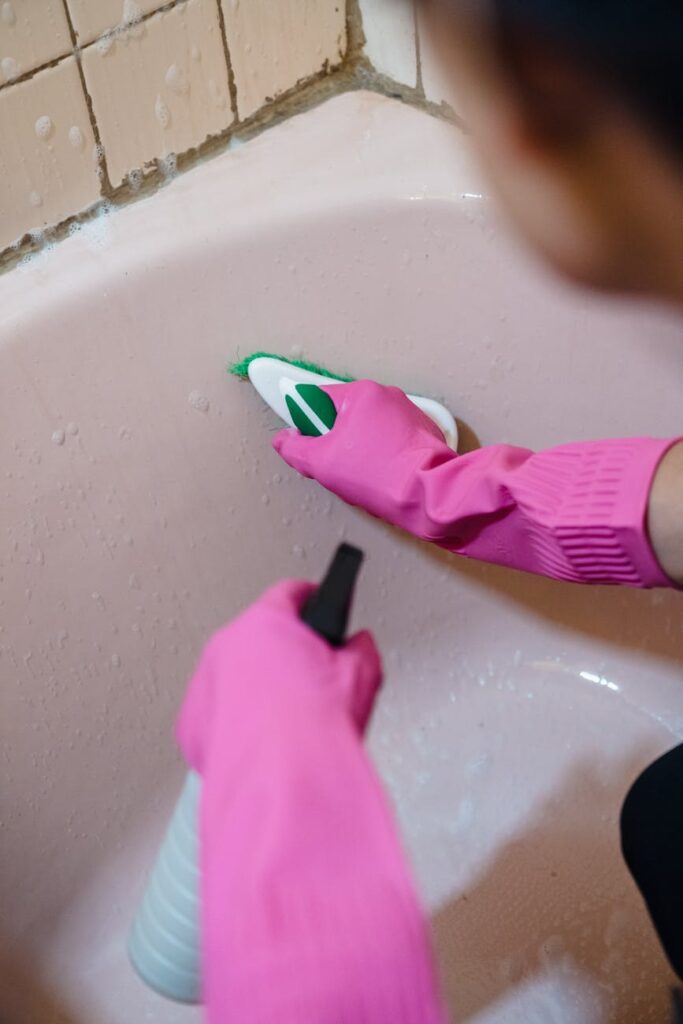
Hard Water Buildup Cleaning Guide Part 2
Introduction
Hard water buildup is a common issue that many homeowners face. It manifests as unsightly stains and deposits on faucets, showerheads, tiles, and glass surfaces. Understanding how to effectively clean and prevent this problem can save you time, money, and frustration. In this guide, we’ll explore the causes of hard water buildup, provide actionable cleaning methods, and offer tips to prevent it from recurring.
What Causes Hard Water Buildup?
Hard water is water that contains high levels of minerals, especially calcium and magnesium. When hard water evaporates, it leaves behind these mineral deposits, which can accumulate over time. The buildup is often most noticeable in bathrooms and kitchens where water is frequently used.
Common Sources of Hard Water:
- Taps and faucets
- Showerheads
- Tiles and grout
- Glass shower doors
- Kitchen sinks and countertops
- White vinegar or lemon juice
- Baking soda
- A spray bottle
- Soft cloths or sponges
- A toothbrush or small scrub brush
- Rubber gloves (optional)
- Water
- Spray Method: Generously spray the vinegar solution on affected areas. Let it sit for 10-15 minutes.
- Paste Method: Apply the baking soda paste directly onto stubborn spots and let it sit for 10-15 minutes.
Why This Problem Happens
Hard water buildup occurs due to several factors:
1. Mineral Content: The higher the mineral content in your water supply, the more likely you are to experience buildup.
2. Evaporation: Water evaporates quickly in high heat or low humidity, leaving behind the minerals.
3. Neglected Cleaning: Regular cleaning routines can prevent the accumulation of deposits. When neglected, hard water stains can become stubborn.
Understanding these factors can help you identify the severity of the problem and how often you need to clean.
How to Fix Hard Water Buildup (Step-by-Step)
Cleaning hard water buildup doesn’t have to be a daunting task. Follow these steps to restore your surfaces effectively.
Step 1: Gather Your Supplies
You will need:
Step 2: Prepare Your Cleaning Solution
1. For Light Buildup: Mix equal parts of white vinegar and water in a spray bottle.
2. For Stubborn Buildup: Create a paste using baking soda and a small amount of water.
Step 3: Apply the Solution
Step 4: Scrub the Area
Use a soft cloth or sponge to scrub the surface in circular motions. For tight spots or intricate surfaces, use a toothbrush or small scrub brush.
Step 5: Rinse Thoroughly
After scrubbing, rinse the area with warm water to remove any residue. Make sure all cleaning agents are washed away.
Step 6: Dry the Surface
Use a dry cloth to wipe down the area. This helps prevent new buildup from forming.
Best Cleaning Methods
Several effective cleaning methods can target hard water buildup. Here’s a breakdown:
1. Vinegar Soak
For fixtures and showerheads, remove them and soak in a bowl of vinegar for an hour. Rinse and scrub as needed.
2. Lemon Juice
Lemon juice is a natural alternative to vinegar. Apply it directly to surfaces and let it sit before scrubbing.
3. Commercial Cleaners
If natural methods aren’t cutting it, consider using a commercial hard water stain remover. Always follow the manufacturer’s instructions.
4. Baking Soda Paste
This method is great for tough stains. Combine it with vinegar for a bubbling reaction that helps lift deposits.
Common Mistakes to Avoid
1. Using Abrasive Cleaners: Avoid steel wool or abrasive pads, as they can scratch surfaces.
2. Not Rinsing Enough: Residue from cleaning solutions can attract more dirt and minerals.
3. Ignoring Hard-to-Reach Areas: Regularly check behind faucets and showerheads where buildup often occurs.
4. Using Too Much Product: More isn’t always better. Follow recommended amounts to avoid waste and potential damage.
Prevention Tips
Preventing hard water buildup is just as important as cleaning it. Follow these tips to keep your surfaces clean:
1. Regular Cleaning: Develop a routine that includes cleaning with vinegar or lemon juice weekly.
2. Wipe After Use: After showering or washing dishes, wipe surfaces dry to prevent water from evaporating and leaving minerals behind.
3. Install a Water Softener: Consider investing in a water softener system to reduce mineral content in your water.
4. Use a Squeegee: After showering, use a squeegee to remove water from glass and tiles.
Frequently Asked Questions
1. How often should I clean hard water buildup?
Aim to clean once a week to prevent serious buildup.
2. Can hard water stains be removed completely?
Yes, with consistent cleaning and the right methods, you can significantly reduce or eliminate stains.
3. Are commercial cleaners safe for all surfaces?
Always check the label. Some cleaners may not be safe for delicate surfaces.
4. What’s the best way to remove hard water stains from glass?
Using a vinegar solution and a soft cloth or sponge is highly effective.
5. Does hard water buildup affect plumbing?
Yes, over time, it can cause clogs and reduced water flow.
6. Can I use bleach on hard water stains?
Avoid bleach, as it can react with minerals and create more stains.
By following this cleaning guide, you can effectively tackle hard water buildup in your home. Regular maintenance and the right techniques will keep your surfaces looking fresh and clean, preventing the hassle of stubborn stains.