
Hard Water Buildup Cleaning Guide Part 1
Introduction
Hard water buildup is a common nuisance in many homes. This stubborn mineral deposit can accumulate on faucets, showerheads, and tiles, making your surfaces look dingy and unclean. Understanding how to effectively tackle hard water buildup is essential for maintaining a clean and healthy living environment. In this guide, we’ll walk you through what causes hard water buildup, why it happens, and provide practical solutions to get rid of it.
What Causes Hard Water Buildup?
Hard water contains high levels of minerals, primarily calcium and magnesium. When hard water evaporates, it leaves these minerals behind, leading to unsightly limescale deposits. This buildup can occur anywhere water frequently comes into contact with surfaces, including:
- Faucets
- Showerheads
- Bathroom tiles
- Glass shower doors
- Kitchen sinks
- Geographical Location: Some regions naturally have harder water than others. If you live in an area with high mineral content, you’re more likely to experience buildup.
- Water Heater: If your water heater is set to a high temperature, it can accelerate mineral deposits.
- Neglect: Failing to clean surfaces regularly allows minerals to harden and bond, making them more challenging to remove.
- White vinegar or lemon juice
- Baking soda
- Spraying bottle
- Soft cloth or sponge
- Scrub brush (non-abrasive)
- Rubber gloves
- Bucket
- Best For: Faucets, showerheads, and fixed fixtures.
- How to Use: Soak a cloth in vinegar and wrap it around the fixture. Leave for 1-2 hours, then scrub and rinse.
- Best For: Tiles and grout.
- How to Use: Mix baking soda with a small amount of water to form a paste. Apply to the affected area, let it sit for 15 minutes, then scrub and rinse.
- Best For: Heavy-duty cleaning.
- How to Use: Follow the manufacturer’s instructions. Always ensure the cleaner is safe for the surface you’re treating.
- Using Abrasive Tools: Avoid steel wool or harsh scrubbers, as they can scratch surfaces.
- Not Allowing Enough Soak Time: For the best results, let the cleaning solution sit long enough to work.
- Ignoring Ventilation: Always ensure the area is well-ventilated when using strong cleaners to prevent inhalation of fumes.
- Skipping Regular Maintenance: Regular cleaning is essential to prevent heavy buildup.
Over time, these minerals accumulate and can become increasingly difficult to remove.
Why This Problem Happens
The primary reason for hard water buildup is the mineral content in your water supply. The following factors can exacerbate the problem:
Understanding these causes can help you address the issue more effectively.
How to Fix Cleaning (Step-by-Step)
Step 1: Gather Your Supplies
Before you start, gather the following cleaning materials:
Step 2: Apply Vinegar or Lemon Juice
1. Spray: Fill a spraying bottle with white vinegar or lemon juice.
2. Soak: Spray the affected areas liberally. For stubborn spots, soak a cloth in vinegar or lemon juice and wrap it around the buildup.
3. Wait: Allow it to sit for at least 15-30 minutes to break down the minerals.
Step 3: Scrub the Surface
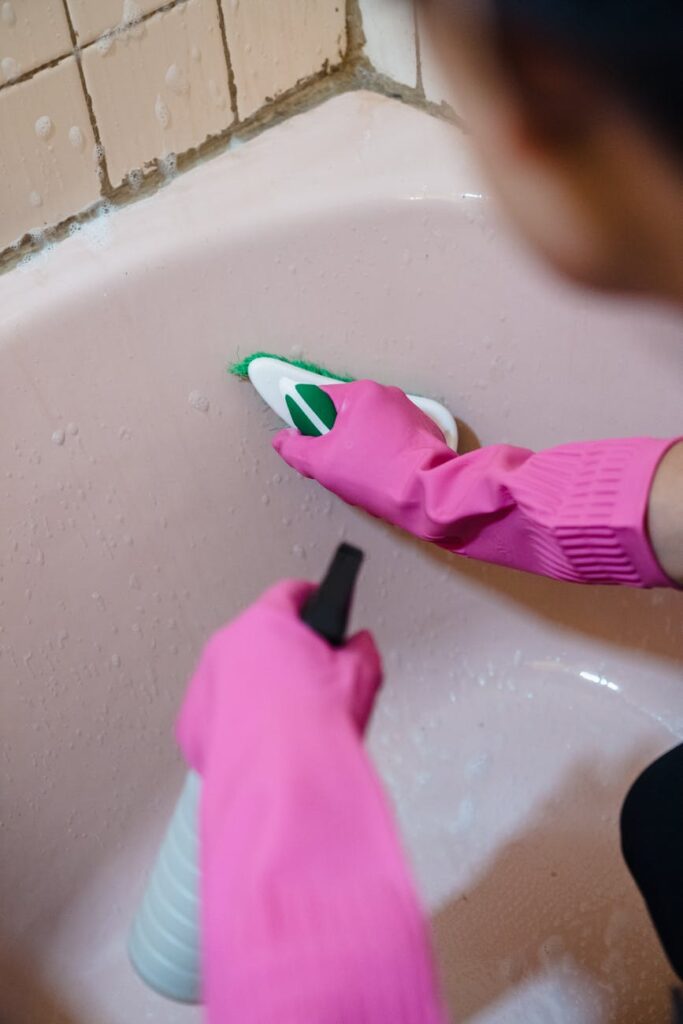
1. Scrub: Use a soft cloth or non-abrasive scrub brush to gently scrub the area.
2. Rinse: Rinse the surface with warm water to remove any residue.
3. Dry: Wipe dry with a clean cloth to prevent new deposits from forming.
Step 4: Repeat as Necessary
For particularly stubborn buildup, you may need to repeat the process or use a combination of vinegar and baking soda to create a paste.
Best Cleaning Methods
Method 1: Vinegar Soak
Method 2: Baking Soda Paste
Method 3: Store-Bought Cleaners
Common Mistakes to Avoid
Prevention Tips
1. Install a Water Softener: This can dramatically reduce mineral content in your water supply.
2. Wipe Surfaces After Use: A quick wipe-down can prevent buildup from forming.
3. Use a Squeegee: After showering, use a squeegee to remove water from tiles and glass.
4. Regular Cleaning Schedule: Set a regular cleaning schedule to tackle hard water deposits before they become a problem.
Frequently Asked Questions
1. How often should I clean hard water buildup?
Aim to clean hard water buildup at least once a month to keep it manageable.
2. Can I use bleach to remove hard water stains?
No, bleach is not effective against mineral deposits and can cause damage to certain surfaces.
3. Is it safe to mix vinegar and baking soda?
Yes, mixing vinegar and baking soda is safe. However, it creates a foaming reaction, so use it in a well-ventilated area.
4. What surfaces are safe to clean with vinegar?
Vinegar is safe for most surfaces, including glass, ceramic tiles, and stainless steel. Avoid using it on natural stone like granite or marble.
5. How do I know if my water is hard?
You can test your water hardness using a home testing kit available at most hardware stores.
6. What should I do if the buildup is still there after cleaning?
If buildup persists, consider using a stronger commercial cleaner specifically designed for hard water stains or consult a professional cleaning service.
By following this guide, you can effectively tackle hard water buildup and maintain a cleaner, healthier home. Stay tuned for Part 2, where we’ll delve into more advanced cleaning techniques and solutions.