
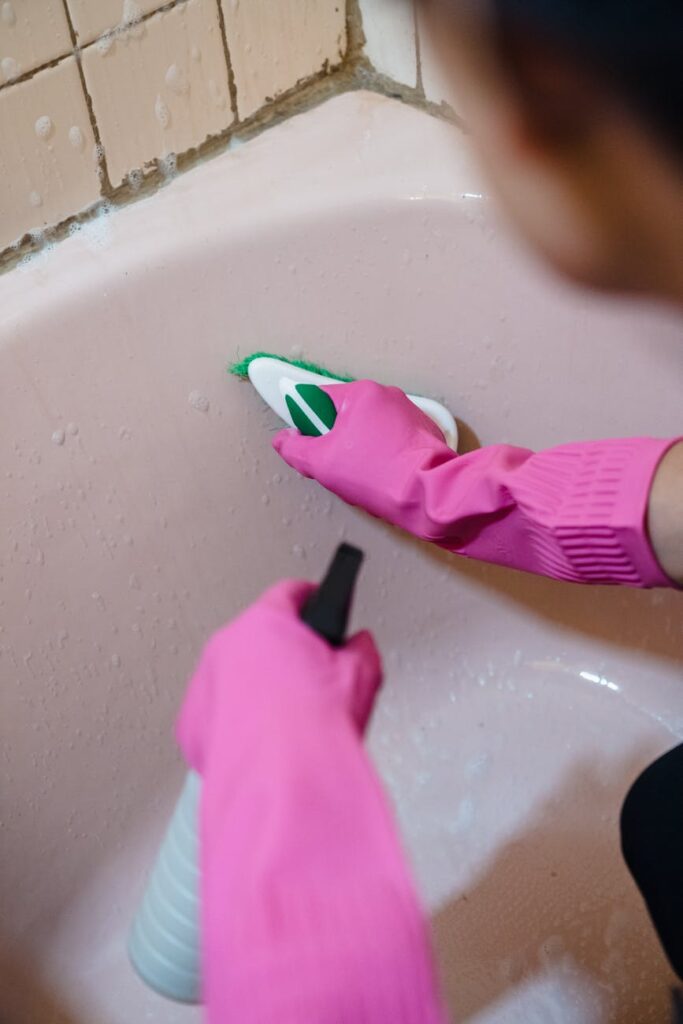
Hard Water Buildup Bathroom Guide Part 2
Introduction
Hard water buildup in the bathroom is a common nuisance that can lead to unsightly stains and reduced functionality of fixtures. This guide will help you understand what causes hard water buildup, why it occurs, and most importantly, how to effectively tackle it. With straightforward methods and tips, you can restore your bathroom to its sparkling best.
What Causes Bathroom Hard Water Buildup?
Hard water contains high levels of minerals, primarily calcium and magnesium. When water evaporates, these minerals are left behind, leading to deposits on various surfaces in your bathroom. Common culprits include:
- Showerheads and Faucets: Water splashes against these fixtures, leaving mineral deposits.
- Tiles and Grout: Water seeps into the grout lines, leading to buildup.
- Glass Shower Doors: Hard water stains are notorious for making glass look cloudy.
- Toilets: Mineral deposits can accumulate in the toilet bowl and tank.
- Water Source: Areas with high mineral content in the water supply will experience more buildup.
- Temperature: Hot water holds more minerals, leading to increased deposits in showers and sinks.
- Humidity: Bathrooms often have high humidity levels, which can exacerbate evaporation and mineral deposits.
- Lack of Regular Cleaning: Infrequent cleaning allows minerals to accumulate over time.
- White vinegar or commercial descaler
- Baking soda (optional)
- Spray bottle
- Soft cloths or sponges
- Scrub brush or toothbrush
- Gloves
- Bucket
- Using Abrasive Cleaners: Avoid scouring pads or harsh chemicals that can scratch surfaces.
- Neglecting Grout: Grout is often overlooked but can accumulate significant buildup. Make sure to clean it regularly.
- Not Rinsing Thoroughly: Leaving cleaning solutions on surfaces can create new stains. Always rinse thoroughly.
- Ignoring Ventilation: Poor ventilation can lead to moisture buildup, worsening hard water stains. Ensure your bathroom is well-ventilated.
- Regular Cleaning: Establish a routine cleaning schedule to tackle hard water stains before they become severe.
- Use a Squeegee: After each shower, use a squeegee on glass doors and tiles to prevent mineral deposits from settling.
- Install a Water Softener: If hard water is a consistent issue, consider installing a water softener to reduce mineral content.
- Seal Grout Lines: Use a grout sealer after cleaning to protect against future buildup.
Why This Problem Happens
Several factors contribute to the severity of hard water buildup in your bathroom:
Understanding these factors can help you devise an effective cleaning strategy.
How to Fix Bathroom Hard Water Buildup (Step-by-Step)
Step 1: Gather Your Supplies
Before you start, make sure you have the following:
Step 2: Prepare the Area
Clear any items from countertops, shower shelves, and the floor. Turn off any water sources if necessary and ensure good ventilation.
Step 3: Apply the Cleaning Solution
1. Vinegar Spray: Fill a spray bottle with equal parts white vinegar and water. Spray generously on affected areas like faucets, showerheads, and tiles.
2. Let It Soak: Allow the solution to sit for at least 15-30 minutes. For stubborn areas, you can leave it for a few hours or overnight.
Step 4: Scrub the Areas
Using a soft cloth or sponge, scrub the areas where you applied the vinegar solution. For tougher deposits, use a scrub brush or an old toothbrush to get into crevices.
Step 5: Rinse and Dry
Rinse the surfaces thoroughly with warm water to remove any vinegar and loosened deposits. Dry with a clean cloth to prevent new water spots from forming.
Step 6: Repeat if Necessary
For heavy buildup, you may need to repeat the process several times until you achieve the desired cleanliness.
Best Cleaning Methods
1. Vinegar and Baking Soda
This natural cleaning duo works wonders. Apply vinegar first, then sprinkle baking soda on top. The fizzing reaction helps break down deposits.
2. Commercial Descalers
For severe buildup, commercial descalers can be effective. Just follow the manufacturer’s instructions carefully.
3. Lemon Juice
Lemon juice is a natural acid that can cut through mineral deposits. Apply it similarly to vinegar.
4. Softening Agents
Water softening agents can be added to your water supply to reduce future buildup. Consider investing in a water softener system if hard water is a persistent issue.
Common Mistakes to Avoid
Prevention Tips
Frequently Asked Questions
1. How often should I clean hard water stains in my bathroom?
Aim to clean hard water stains at least once a month to prevent buildup.
2. Can I use vinegar on all surfaces?
While vinegar is safe for most surfaces, avoid using it on natural stone like granite or marble, as it can cause damage.
3. What if vinegar doesn’t work?
If vinegar isn’t effective, consider using a commercial descaler or a mixture of vinegar and baking soda for tougher stains.
4. Are there any natural alternatives to commercial cleaners?
Yes, lemon juice and baking soda can be effective natural alternatives for cleaning hard water stains.
5. How can I tell if I have hard water?
Common signs include white, chalky stains on fixtures, dull tiles, and reduced water flow from faucets and showerheads.
6. Will a water softener eliminate hard water stains?
A water softener will help reduce mineral content in your water, which can significantly lessen future hard water stains, but it won’t remove existing buildup.
By following this guide, you can tackle hard water buildup effectively in your bathroom. Regular maintenance and proactive cleaning strategies will keep your bathroom looking fresh and clean.