
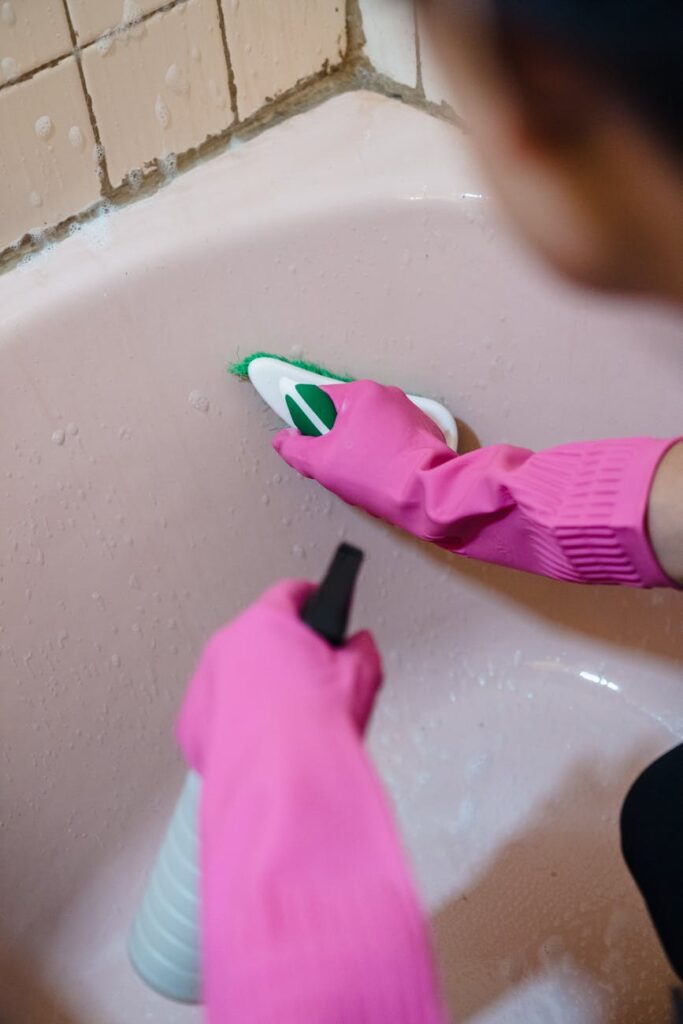
Hard Water Buildup Bathroom Guide Part 1
Introduction
Hard water buildup is a common issue in bathrooms, often manifesting as unsightly stains and deposits on faucets, showerheads, and tiles. If you’ve ever noticed white, chalky spots or crusty stains, you’re dealing with hard water. This guide will help you understand the causes, effects, and effective ways to tackle hard water buildup in your bathroom.
What Causes Bathroom Hard Water Buildup?
Hard water is water that contains high levels of minerals, primarily calcium and magnesium. When hard water evaporates, it leaves behind these mineral deposits. Over time, these deposits accumulate, resulting in what we refer to as hard water buildup. Common areas affected include:
- Faucets and showerheads: Water drips can lead to buildup, especially in areas with high mineral content.
- Tiles and grout: Water splashes can cause stains to form.
- Glass shower doors: Water evaporation leaves mineral spots.
- White vinegar or lemon juice
- Baking soda
- Spray bottle
- Soft cloths or sponges
- An old toothbrush
- Rubber gloves
- A bucket
- Commercial descaler (if necessary)
Why This Problem Happens
Understanding why hard water buildup occurs is crucial for effective cleaning. Hard water is prevalent in many regions due to geological factors. If you live in an area with hard water, you’re more likely to experience these issues. The problem worsens in bathrooms where moisture and water are frequently present.
As water evaporates from surfaces, the minerals remain behind, creating stubborn stains that can be challenging to remove if not addressed promptly.
How to Fix Bathroom Hard Water Buildup (Step-by-Step)
Step 1: Gather Your Supplies
Before you start cleaning, gather the following supplies:
Step 2: Apply Vinegar or Lemon Juice
1. Choose your solution: White vinegar is effective, but lemon juice can also work due to its acidity.
2. Spray the affected areas: Use a spray bottle to apply vinegar or lemon juice to faucets, showerheads, and tiles.
3. Let it sit: Allow the solution to sit for at least 10-15 minutes. This will help dissolve the mineral buildup.
Step 3: Scrub the Areas
1. Use a soft cloth or sponge: After letting the solution sit, scrub the areas with a soft cloth or sponge.
2. Use an old toothbrush for crevices: For tight spots, an old toothbrush can be a great tool to reach into small areas.
Step 4: Rinse Thoroughly
1. Rinse with warm water: After scrubbing, rinse the surfaces with warm water to remove any remaining solution and loosened deposits.
2. Dry with a cloth: Wipe down the surfaces with a dry cloth to prevent new buildup.
Step 5: Repeat if Necessary
If stains persist, repeat the process or consider using baking soda. Make a paste of baking soda and water, apply it to the affected areas, and scrub after letting it sit for 10 minutes.
Best Cleaning Methods
1. Vinegar and Baking Soda Combo
Combining vinegar and baking soda creates a powerful cleaning reaction. The fizzing action can help lift stubborn deposits.
2. Commercial Descalers
For severe buildup, consider a commercial descaler. Follow the manufacturer’s instructions carefully, ensuring proper ventilation and protection.
3. Steam Cleaning
If you have access to a steam cleaner, this method can effectively remove buildup without chemicals. The high temperature helps break down deposits.
Common Mistakes to Avoid
1. Ignoring Regular Cleaning: Procrastination leads to tougher stains and more work later.
2. Using Abrasive Tools: Steel wool or harsh scrubbers can scratch surfaces.
3. Not Testing Cleaners: Always test a small, inconspicuous area before using new products.
4. Neglecting Ventilation: Ensure proper ventilation when using strong cleaners or descalers to avoid respiratory issues.
Prevention Tips
1. Wipe Down Surfaces After Use: A quick wipe can prevent mineral buildup from settling.
2. Install a Water Softener: If hard water is a persistent problem, consider investing in a water softener for your home.
3. Use a Squeegee: After showering, use a squeegee on tiles and glass surfaces to remove excess water.
4. Regular Maintenance: Schedule regular cleanings to prevent buildup from becoming a significant issue.
Frequently Asked Questions
1. How often should I clean hard water stains?
For best results, clean hard water stains at least once a month. More frequent cleaning may be necessary in areas with very hard water.
2. Can hard water stains damage my bathroom fixtures?
Yes, over time, hard water stains can lead to corrosion and damage to fixtures, reducing their lifespan.
3. Is vinegar safe for all bathroom surfaces?
While vinegar is safe for most surfaces, avoid using it on natural stone like granite or marble, as it can cause etching.
4. Can I prevent hard water buildup?
Yes, preventive measures like using a squeegee, installing a water softener, and regular cleaning can significantly reduce buildup.
5. Are there any natural alternatives to commercial cleaners?
Yes, vinegar, baking soda, and lemon juice are effective natural alternatives that can tackle hard water stains without harsh chemicals.
6. What should I do if the stains persist after cleaning?
If stains persist, consider using a stronger commercial descaler or consult a professional cleaning service for stubborn cases.
By following these guidelines and tips, you can effectively tackle hard water buildup in your bathroom and keep it looking clean and fresh. Stay tuned for Part 2, where we’ll delve deeper into advanced cleaning techniques and solutions!