
Grout Mold Removal Odours Guide Part 2
Introduction
Grout is an essential component of tiled surfaces in kitchens, bathrooms, and other areas of the home. However, it’s also a breeding ground for mold and mildew, which can produce unpleasant odors. This guide will walk you through understanding the causes of these odors and provide practical steps to eliminate them effectively.
What Causes Odours?
Odors in grout typically arise from mold, mildew, and bacteria. These microorganisms thrive in damp, dark environments—like the grout lines in bathrooms or kitchens. When water seeps into the grout, it creates an ideal habitat for these organisms, leading to foul smells.
Here are the primary culprits behind odor production in grout:
- Moisture: Excess humidity and leaks can create a damp environment.
- Organic Matter: Food particles and soap residue can feed mold and bacteria.
- Poor Ventilation: Inadequate airflow can trap moisture in grout lines.
- Baking soda
- White vinegar
- Spray bottle
- Soft-bristle brush
- Old toothbrush
- Mop or cloth
- Rubber gloves
- Mask (optional, for sensitive noses)
- Hydrogen Peroxide: Apply hydrogen peroxide directly to the grout and let it sit for 10-15 minutes before scrubbing. Rinse thoroughly.
- Oxygen Bleach: Mix oxygen bleach with water according to package instructions. Apply to grout and scrub as needed.
- Commercial Grout Cleaners: Look for mold and mildew-specific cleaners that can target odor-causing bacteria.
Understanding these factors is key to addressing the odors effectively.
Why This Problem Happens
This problem is common in areas where water frequently accumulates. Grout isn’t waterproof, and when moisture seeps into it, it can linger for extended periods, especially if not dried properly. Here are the main reasons why odors develop:
1. Water Accumulation: Regular splashes from sinks or showers can saturate grout.
2. Lack of Cleaning: Neglecting regular cleaning allows residue to build up, providing food for mold.
3. Poor Sealing: Unsealed or improperly sealed grout is susceptible to moisture penetration.
Recognizing these contributors helps in effectively combating the odor problem.
How to Fix Odours (Step-by-Step)
Step 1: Gather Your Supplies
Before starting, gather the following items:
Step 2: Prepare the Cleaning Solution
1. Baking Soda Paste: Mix ½ cup of baking soda with a few tablespoons of water to form a thick paste.
2. Vinegar Spray: Fill a spray bottle with equal parts vinegar and water. Shake well.
Step 3: Apply the Cleaning Solution
1. Apply the Paste: Spread the baking soda paste over the grout lines, focusing on areas with noticeable odors.
2. Spray Vinegar: Spray the vinegar solution over the baking soda paste. You’ll notice fizzing—this reaction helps lift grime.
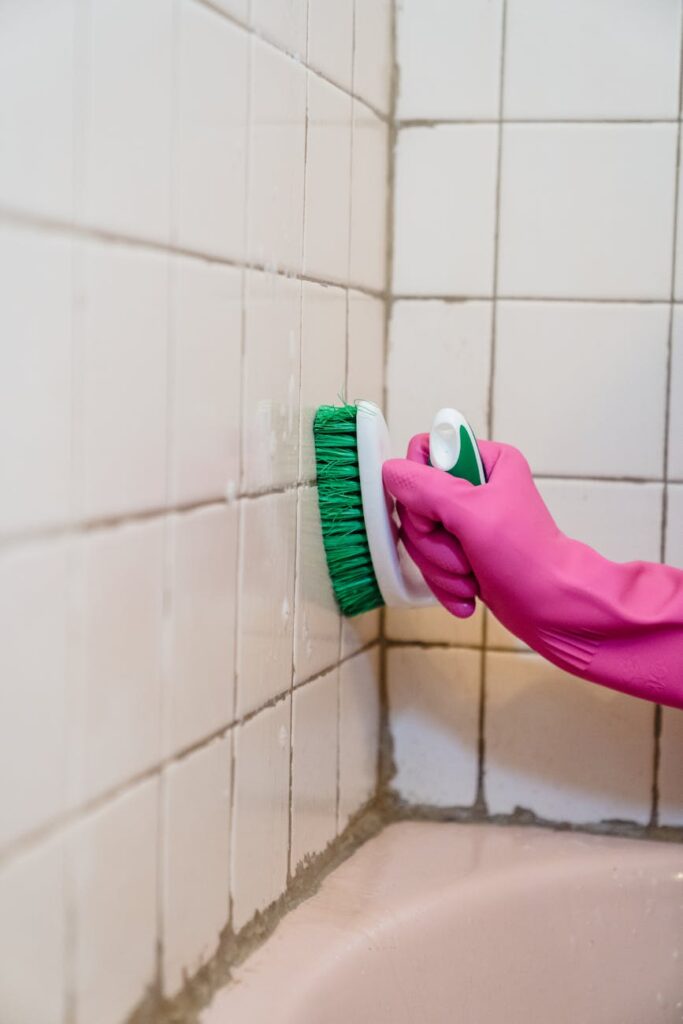
Step 4: Scrub the Grout
Use a soft-bristle brush or an old toothbrush to scrub the grout lines. Apply moderate pressure to ensure thorough cleaning without damaging the grout.
Step 5: Rinse and Dry
1. Rinse: Use a clean mop or cloth dipped in warm water to wipe away the cleaning solution.
2. Dry Thoroughly: Ensure the area is well-ventilated and dry completely to prevent new mold growth.
Step 6: Repeat as Necessary
For persistent odors, you may need to repeat this process a few times. Regular cleaning will help maintain a fresh smell.
Best Cleaning Methods
Aside from the baking soda and vinegar method, consider these additional cleaning techniques:
Always follow the manufacturer’s instructions for any commercial product.
Common Mistakes to Avoid
1. Ignoring Regular Maintenance: Failing to clean grout regularly allows for mold build-up.
2. Using Abrasive Tools: Steel wool or harsh scrubbing pads can scratch and damage grout.
3. Not Rinsing Thoroughly: Residue from cleaning products can attract more dirt and odor.
4. Skipping Sealing: After cleaning, neglecting to seal grout can lead to future odor issues.
Avoiding these pitfalls can save you time and effort in the long run.
Prevention Tips
1. Regular Cleaning: Establish a routine to clean grout lines at least once a month.
2. Use a Sealer: Apply a grout sealer every 6-12 months to prevent moisture penetration.
3. Improve Ventilation: Use exhaust fans or open windows to reduce humidity in bathrooms and kitchens.
4. Wipe Up Spills Immediately: Clean any spills or splashes promptly to minimize moisture retention.
5. Keep It Dry: Use a squeegee after showers to remove excess water from tiles and grout.
By implementing these prevention methods, you can significantly reduce the likelihood of odors developing in your grout.
Frequently Asked Questions
1. How often should I clean my grout?
Aim to clean your grout at least once a month to prevent mold and odors from accumulating.
2. Can I use bleach to clean grout?
While bleach can be effective, it may not be suitable for all grout types. Always test in an inconspicuous area first.
3. What if the odor persists after cleaning?
If odors persist, consider re-evaluating your cleaning method and ensure you dry the area thoroughly. You may need to repeat the cleaning process.
4. How can I tell if the odor is from mold or mildew?
Mold typically has a musty smell, while mildew smells more earthy. If you see discoloration, it’s likely mold or mildew.
5. Is it necessary to seal my grout?
Yes, sealing your grout helps prevent moisture penetration and keeps odors at bay.
6. Can I prevent mold growth in my grout?
Yes, regular cleaning, proper sealing, and good ventilation are essential steps in preventing mold growth in grout.
By following this guide, you can effectively tackle grout odors and maintain a fresh and clean environment in your home. Ensure you remain vigilant about cleaning and addressing any moisture issues to keep those unpleasant odors at bay.