
Grout Mold Removal Odours Guide Part 1
Introduction
Grout mold can lead to unpleasant odours in your home, particularly in wet areas like bathrooms and kitchens. These smells not only affect your living environment but can also indicate deeper cleanliness issues. This guide will help you identify the sources of these odours, explain why they occur, and provide actionable steps to eliminate them effectively.
What Causes Odours?
Odours from grout are primarily caused by mold and mildew growth. These fungi thrive in damp, dark environments, making grout lines—especially those in showers, sinks, and backsplashes—ideal breeding grounds. Other factors contributing to unpleasant smells include:
- Organic Material: Soap scum, food particles, and hair can accumulate in grout lines, providing nutrients for mold.
- Humidity: High humidity levels in bathrooms and kitchens can exacerbate mold growth.
- Poor Ventilation: Inadequate airflow allows moisture to linger, creating a perfect environment for mould and mildew.
- Moisture Retention: Grout is porous and can absorb water, making it susceptible to mold growth if not properly maintained.
- Neglected Cleaning: Regular cleaning is essential; neglect can lead to a build-up of grime and moisture.
- Old Grout: Over time, grout can degrade, leading to more cracks and crevices where dirt and moisture can accumulate.
- Baking soda
- White vinegar
- A spray bottle
- A stiff brush or old toothbrush
- A sponge or cloth
- Rubber gloves
- A mask (optional, for sensitive individuals)
- How to Use: Apply 3% hydrogen peroxide directly onto the grout. Let it sit for about 10 minutes before scrubbing and rinsing.
- Why It Works: Hydrogen peroxide acts as a natural disinfectant and can kill mold spores.
- How to Use: Follow the instructions on the product label. Generally, apply, scrub, and rinse.
- Why It Works: These cleaners are formulated specifically to tackle mold and mildew.
- How to Use: Use a steam cleaner on your grout lines to kill mold and mildew without chemicals.
- Why It Works: The high temperature of steam effectively eliminates mould spores and odours.
Why This Problem Happens
Understanding the root causes of odours can help you tackle the problem effectively. Here’s why odours from grout mold become a persistent issue:
How to Fix Odours (Step-by-Step)
Step 1: Gather Your Supplies
Before starting, make sure you have the following:
Step 2: Prepare the Area
1. Ventilate: Open windows and doors to allow fresh air in.
2. Clear the Space: Remove any items from the area that might obstruct your cleaning.
Step 3: Apply Baking Soda
1. Sprinkle: Generously sprinkle baking soda onto the grout lines.
2. Let Sit: Allow it to sit for at least 10–15 minutes. This will help absorb lingering odours.
Step 4: Create a Vinegar Solution
1. Mix: In a spray bottle, combine equal parts white vinegar and water.
2. Spray: Spray the vinegar solution directly onto the baking soda-covered grout. You’ll see it fizz, which indicates the reaction is working.
Step 5: Scrub the Grout
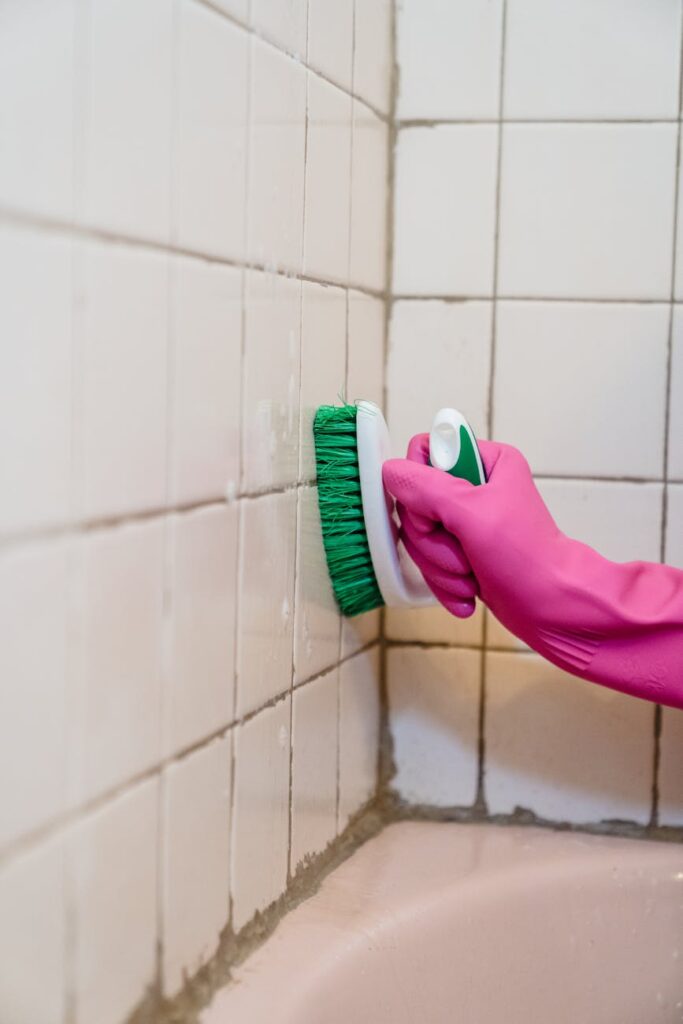
1. Scrub: Using a stiff brush or an old toothbrush, scrub the grout lines vigorously. Focus on areas with visible mold or stains.
2. Rinse: After scrubbing, rinse the area with warm water using a sponge or cloth.
Step 6: Dry Thoroughly
1. Wipe: Use a clean, dry cloth to wipe down the area.
2. Air Dry: Allow the area to air dry completely. This step is crucial to prevent future mold growth.
Best Cleaning Methods
While the baking soda and vinegar method is effective, there are other approaches you can use:
1. Hydrogen Peroxide
2. Commercial Grout Cleaners
3. Steam Cleaning
Common Mistakes to Avoid
To ensure effective grout cleaning and odour removal, avoid these common pitfalls:
1. Ignoring Ventilation: Always ventilate the area. Without airflow, moisture can linger and promote further mold growth.
2. Using Too Much Water: Excessive water can seep into grout, making the problem worse. Use damp, not wet, cleaning methods.
3. Neglecting Regular Maintenance: Regular cleaning and maintenance are essential. Don’t wait for mold to become a significant problem before taking action.
Prevention Tips
Preventing mould and odours from reoccurring is easier than you think:
1. Regular Cleaning: Clean grout lines at least once a month to prevent buildup.
2. Use Grout Sealer: Apply a grout sealer every year to reduce porosity and water absorption.
3. Improve Ventilation: Install exhaust fans in bathrooms and kitchens to reduce humidity levels.
4. Wipe Down Surfaces: After using showers or sinks, wipe down the surfaces to remove excess moisture.
5. Monitor Humidity Levels: Use a dehumidifier in damp areas to control moisture.
Frequently Asked Questions
1. How often should I clean my grout?
Aim to clean your grout at least once a month to prevent odours and mold buildup.
2. Can I use bleach to clean grout?
While bleach can kill mold, it may not be the best option for grout as it can weaken the material over time. Consider using more gentle solutions like vinegar or baking soda.
3. What if the smell persists after cleaning?
If the odour remains, it may indicate deeper mold issues. Consider consulting a professional for a thorough inspection.
4. Are there any natural alternatives to commercial cleaners?
Yes, vinegar, baking soda, and hydrogen peroxide are effective natural alternatives for cleaning and deodorizing grout.
5. How can I tell if my grout needs replacement?
If you notice cracks, extensive discoloration, or persistent odours even after cleaning, it may be time to replace the grout.
6. Can humidity in my house affect grout mould?
Yes, high humidity levels can lead to increased moisture in grout, fostering an environment for mold to thrive. Regularly monitor and manage humidity levels to prevent this.
By following these steps and tips, you can effectively remove odours caused by grout mold and maintain a clean, pleasant environment in your home. Stay tuned for Part 2, where we’ll delve deeper into advanced grout cleaning techniques and solutions!