
Grout Mold Removal Cleaning Guide Part 2
Introduction
Grout mold can be a persistent problem in many homes, particularly in areas prone to moisture like bathrooms and kitchens. Not only is it unsightly, but it can also lead to greater issues if not addressed promptly. In this guide, we will cover the causes of grout mold, effective removal methods, common mistakes to avoid, and preventive measures to keep your grout looking fresh.
What Causes Grout Mold?
Grout mold forms due to a combination of moisture, warmth, and organic material. Here are the primary contributors:
- Moisture: Bathrooms and kitchens are often damp environments. Water from showers, sinks, and spills can get trapped in grout lines.
- Warmth: Humidity levels can rise, especially in warm seasons, creating ideal conditions for mold growth.
- Organic Material: Soap scum, food particles, and dead skin cells can accumulate in grout lines and serve as food for mold.
- A stiff-bristled brush or toothbrush
- Cleaning solution (store-bought or homemade)
- Bucket
- Spray bottle
- Gloves
- Mask (if sensitive to mold)
- Homemade Option: Mix equal parts of water and white vinegar in a spray bottle. For tougher stains, you can add baking soda to the mix.
- Store-Bought Option: Choose a mold and mildew remover specifically designed for grout.
- Skipping the Ventilation: Always ventilate the area when cleaning mold to avoid inhaling spores.
- Using Too Much Water: Excessive moisture can worsen the problem. Use just enough to dampen the grout.
- Neglecting Regular Maintenance: Don’t wait until mold is visible. Regular cleaning can prevent buildup.
- Using Harsh Chemicals: Avoid bleach, which can damage grout and create harmful fumes. Stick to safer alternatives.
- Seal Your Grout: Use a grout sealer every six months to a year to create a barrier against moisture.
- Improve Ventilation: Use exhaust fans during and after showers and open windows when possible.
- Wipe Down Surfaces: After using a shower or sink, wipe down the tiles and grout with a towel to minimize moisture.
- Regular Cleaning: Incorporate grout cleaning into your routine cleaning schedule to keep mold at bay.
Understanding these causes can help you tackle mold before it becomes a more significant issue.
Why This Problem Happens
Grout is porous and can absorb moisture, making it a prime breeding ground for mold and mildew. If not sealed properly, old or damaged grout can retain moisture, leading to faster mold growth. Areas with poor ventilation, such as enclosed bathrooms, are particularly susceptible. Regular cleaning can help, but once mold takes root, it can be difficult to remove without the right approach.
How to Fix Cleaning (Step-by-Step)
Removing mold from grout can be a straightforward process if you follow these steps:
Step 1: Gather Your Supplies
You’ll need:
Step 2: Prepare the Area
Ensure the area is well-ventilated. Open windows or turn on exhaust fans to minimize exposure to mold spores.
Step 3: Apply the Cleaning Solution
Spray the solution generously onto the moldy grout lines. Let it sit for 10-15 minutes to allow it to penetrate the mold.
Step 4: Scrub the Grout
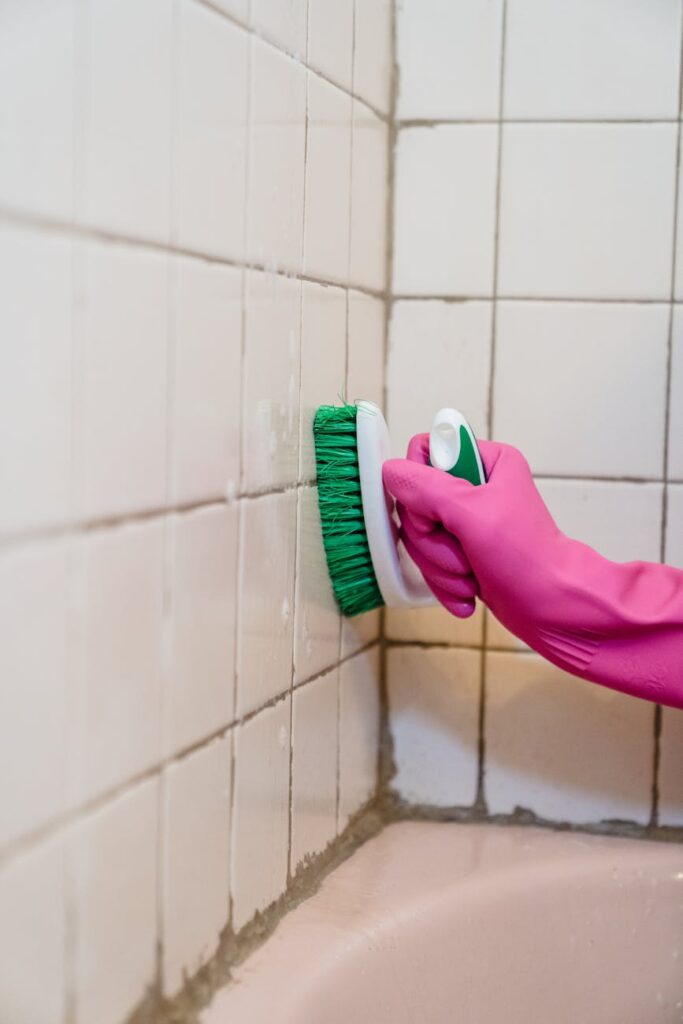
Using your stiff-bristled brush, scrub the grout lines thoroughly. Make sure to apply enough pressure to lift the mold without damaging the grout.
Step 5: Rinse
After scrubbing, rinse the area with warm water to remove the cleaning solution and any dislodged mold. Use a sponge or cloth to wipe down the surface.
Step 6: Dry the Area
Use a towel or sponge to dry the grout lines completely. This step is crucial to prevent future mold growth.
Best Cleaning Methods
Here are some effective methods for cleaning grout mold:
1. Vinegar and Baking Soda
Vinegar disinfects and removes odors, while baking soda acts as a gentle abrasive. This combination is effective for light to moderate mold infestations.
2. Hydrogen Peroxide
This is a strong mold killer. Apply it directly to the grout and let it sit for about 10 minutes before scrubbing.
3. Commercial Cleaners
For severe mold issues, you might consider commercial mold removers. Always follow the instructions on the label and ensure the product is safe for your specific grout type.
4. Steam Cleaning
If you have a steam cleaner, this can be an excellent method for deep cleaning grout. The high temperature can kill mold spores.
Common Mistakes to Avoid
Prevention Tips
Preventing mold from returning is easier than removing it. Here are some effective strategies:
Frequently Asked Questions
1. How often should I clean my grout?
Aim to clean grout every month to prevent mold buildup, especially in high-moisture areas.
2. Can I use bleach to clean grout?
Bleach is not recommended as it can damage grout and may not effectively kill mold at its roots.
3. What if my grout is damaged?
If your grout is cracked or crumbling, consider re-grouting. This will provide a fresh surface for cleaning and sealing.
4. Is mold in grout harmful?
While it can be a nuisance, mold in grout is generally not harmful unless it spreads to other areas. However, it can trigger allergies and respiratory issues in sensitive individuals.
5. Can I use a toothbrush to clean grout?
Yes, a toothbrush is an excellent tool for scrubbing grout, especially for tight spaces.
6. What is the best sealer for grout?
Choose a high-quality, penetrating grout sealer. Look for products specifically labeled for mold and mildew resistance.
By following this guide, you can effectively manage and prevent grout mold, keeping your home clean and healthy.