
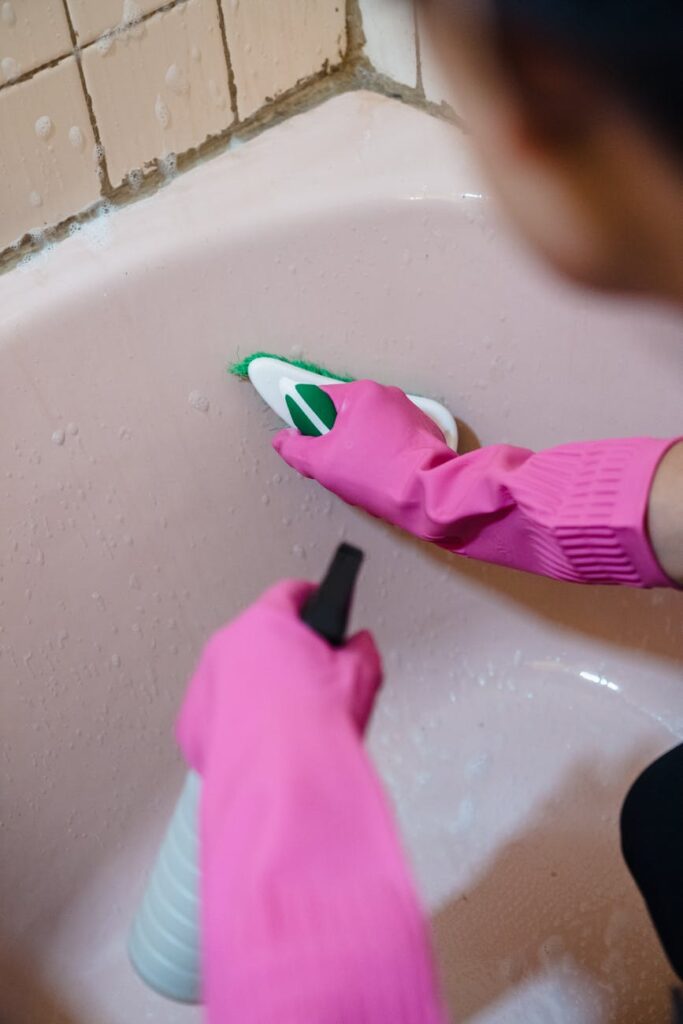
Grease Trap Stains Guide Part 2
Introduction
Grease trap stains are a common issue in homes, particularly in kitchens where cooking oils and fats are frequently used. These stains can be stubborn and unsightly, making it essential for homeowners to understand how to address them effectively. In this guide, we will cover the causes of grease trap stains, how to fix them, the best cleaning methods, common mistakes to avoid, and tips for prevention.
What Causes Stains?
Grease trap stains are primarily caused by the accumulation of food grease, oils, and fats that solidify over time. When these substances enter the grease trap, they can cling to the walls and surfaces, leading to discoloration and build-up. Other contributing factors include:
- Food Particles: Small bits of food can mix with grease, creating a sticky residue.
- Temperature Fluctuations: Hot grease can cool and solidify, making it difficult to remove.
- Poor Maintenance: Infrequent cleaning can lead to significant build-up.
- Infrequent Cleaning: Skipping regular maintenance allows grease to accumulate, making it harder to clean later.
- Improper Disposal: Pouring oils and fats down the drain can lead to clogs and stains.
- Inadequate Grease Traps: Using a substandard trap may not effectively capture all fats and oils, allowing them to build up.
- Rubber gloves
- Scrub brush
- Bucket
- Hot water
- Dish soap or degreaser
- Baking soda (optional)
- Vinegar (optional)
- Using Harsh Chemicals: Strong chemicals can damage surfaces and create harmful fumes. Stick to mild cleaners or natural options.
- Neglecting Regular Maintenance: Skipping regular cleaning can lead to severe build-up.
- Not Wearing Protective Gear: Always wear gloves and masks when working with grease traps.
- Ignoring Drainage Issues: If you notice frequent clogs, address them immediately to prevent stains.
- Regular Cleaning: Clean your grease trap every 1-3 months, depending on usage.
- Dispose of Grease Properly: Avoid pouring fats and oils down the drain. Instead, dispose of them in a sealed container.
- Use a Strainer: Install a kitchen strainer to catch food particles before they reach the grease trap.
- Monitor Trap Performance: Regularly check your grease trap to ensure it’s functioning correctly.
Why This Problem Happens
Understanding why grease trap stains occur can help in both cleaning and prevention. Here are the primary reasons:
How to Fix Stains (Step-by-Step)
Fixing grease trap stains requires a systematic approach. Follow these steps for effective cleaning:
Step 1: Gather Your Supplies
You’ll need:
Step 2: Prepare the Area
Clear surrounding areas to create a safe working environment. Ensure proper ventilation if using strong cleaning products.
Step 3: Remove Grease Trap Lid
Carefully remove the lid of the grease trap. Be cautious of any lingering odors and wear a mask if necessary.
Step 4: Drain Excess Grease
Use a cup or scooper to remove excess grease from the trap. Dispose of it in a sealed container.
Step 5: Apply Cleaning Solution
Mix hot water with dish soap or a degreaser in a bucket. For tough stains, consider adding baking soda for extra scrubbing power.
Step 6: Scrub the Stains
Using a scrub brush, apply the cleaning solution to the stained areas. Scrub vigorously to break down the grease and oils.
Step 7: Rinse Thoroughly
After scrubbing, rinse the area with hot water to wash away any remaining soap or residue.
Step 8: Inspect for Remaining Stains
Check for any leftover stains. If necessary, repeat the scrubbing process until the area is clean.
Step 9: Replace the Lid
Once the area is clean and dry, replace the grease trap lid securely.
Best Cleaning Methods
Several methods can effectively tackle grease trap stains. Here are some of the best:
1. Hot Water and Dish Soap
This is the simplest method. The combination of hot water and soap breaks down grease effectively.
2. Vinegar and Baking Soda
For stubborn stains, sprinkle baking soda on the stained area and spray with vinegar. This combination creates a foaming action that helps lift stains.
3. Commercial Degreasers
If home methods fail, consider using a commercial degreaser. Follow the manufacturer’s instructions for the best results.
4. Steam Cleaning
Steam cleaning can effectively remove grease and stains without the need for harsh chemicals. Ensure your steam cleaner is suitable for the surfaces you are cleaning.
Common Mistakes to Avoid
Avoid these pitfalls to ensure effective cleaning:
Prevention Tips
Preventing grease trap stains is easier than dealing with them after they occur. Here are some practical tips:
Frequently Asked Questions
1. How often should I clean my grease trap?
You should clean your grease trap every 1-3 months, depending on your cooking habits.
2. What is the best way to dispose of grease?
Allow grease to cool, then pour it into a sealed container and throw it in the trash.
3. Can I use bleach to clean grease stains?
No, bleach can create harmful fumes and may not effectively remove grease stains.
4. What if my grease trap smells bad?
Regular cleaning and maintenance should eliminate odors. If the smell persists, consider consulting a professional.
5. How can I tell if my grease trap is full?
Signs of a full grease trap include slow drainage, foul odors, and visible grease on the surface.
6. Are commercial degreasers safe to use?
Most commercial degreasers are safe if used according to the manufacturer’s guidelines. Always ensure adequate ventilation when using them.
By following the steps and tips outlined in this guide, you can effectively manage grease trap stains, maintaining a clean and functional kitchen environment. Regular maintenance and proper disposal practices will go a long way in preventing future issues.