
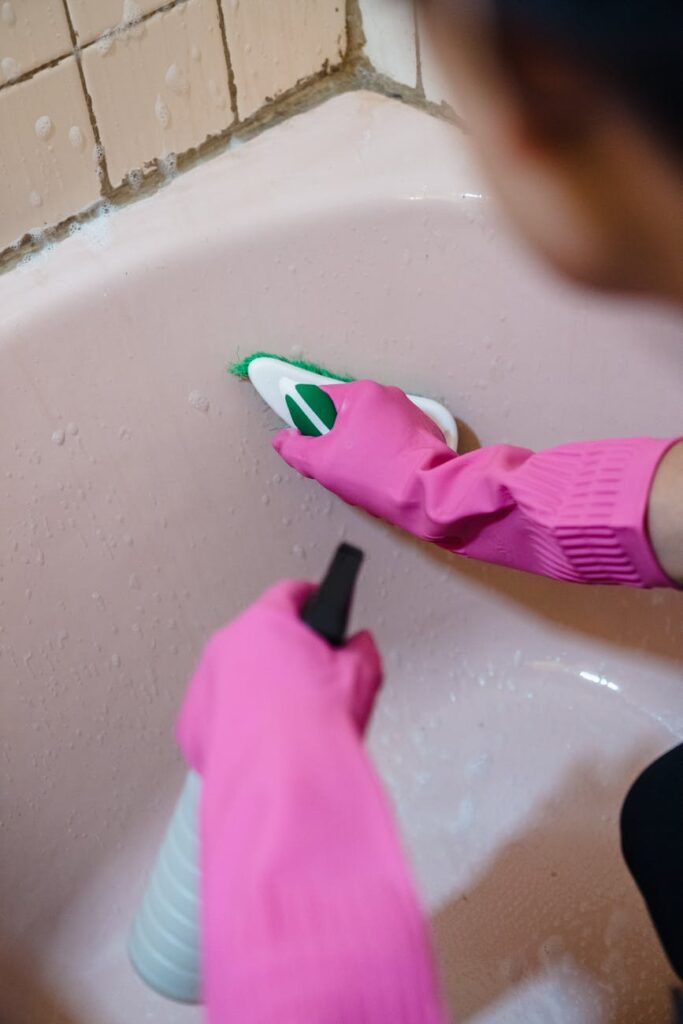
Grease Trap Stains Stains Guide Part 1
Introduction
Grease trap stains can be a major headache for homeowners, especially when they start to affect the aesthetics and cleanliness of your kitchen or outdoor areas. Understanding what causes these stains and how to effectively tackle them is essential for maintaining a spotless home. This guide aims to provide practical solutions and tips for dealing with grease trap stains.
What Causes Stains?
Grease trap stains typically arise from the accumulation of fats, oils, and grease (FOG) in your kitchen. These substances can come from various sources, including:
- Cooking oils and fats from food preparation.
- Greasy residues from frying or grilling.
- Spills during cleaning or maintenance.
- Improper disposal of oily substances down the sink.
- Dish soap (preferably degreasing)
- Baking soda
- White vinegar
- Soft cloths or sponges
- A stiff-bristled brush
- A bucket
- Hot water
- Rubber gloves
Over time, these substances can build up and harden, leading to stubborn stains that are difficult to remove.
Why This Problem Happens
Grease traps are designed to catch and separate fats and oils from wastewater before it enters the sewage system. However, if they are not adequately maintained, they can overflow or become clogged, resulting in grease leaks. These leaks can cause stains on surfaces near the grease trap, including floors, walls, and countertops. Additionally, if food residues are not cleaned properly, they can harden and contribute to staining.
How to Fix Stains (Step-by-Step)
Effective stain removal requires a systematic approach. Here’s a step-by-step guide to help you tackle grease trap stains:
Step 1: Gather Your Supplies
You’ll need:
Step 2: Initial Cleaning
1. Put on rubber gloves to protect your hands.
2. Remove any debris around the grease trap to prevent it from mixing with your cleaning solution.
3. Wipe the affected area with a damp cloth to remove loose dirt and grease.
Step 3: Create a Cleaning Solution
1. In a bucket, mix 2 cups of hot water with 2 tablespoons of dish soap.
2. For tougher stains, add 1 cup of baking soda to the solution.
Step 4: Apply the Solution
1. Soak a cloth or sponge in the cleaning solution.
2. Apply it to the stained area, allowing it to sit for about 10-15 minutes to break down the grease.
Step 5: Scrub the Stains
1. Use a stiff-bristled brush to scrub the area gently, focusing on the stained sections.
2. Rinse the brush frequently in clean water to avoid spreading the grease.
Step 6: Rinse and Dry
1. Rinse the area with clean water to remove any leftover cleaning solution.
2. Wipe it dry with a clean cloth to prevent new stains from forming.
Best Cleaning Methods
Different cleaning methods may be more effective depending on the severity of the stain. Here are some options to consider:
Method 1: Baking Soda and Vinegar
1. Sprinkle baking soda over the stain.
2. Pour white vinegar over the baking soda. This combination will fizz and help lift the stain.
3. Let it sit for 30 minutes before scrubbing and rinsing.
Method 2: Commercial Degreasers
For stubborn stains, consider using a commercial degreaser. Follow the manufacturer’s instructions for the best results.
Method 3: Hot Water Flush
If you suspect a clog in your grease trap, run hot water through the system. This can help dissolve some of the grease that may be causing stains.
Common Mistakes to Avoid
1. Using Abrasive Cleaners: These can scratch surfaces and worsen the appearance of stains.
2. Neglecting Regular Maintenance: Regularly emptying and cleaning your grease trap can prevent stains from forming.
3. Not Testing Cleaners: Always test a small, inconspicuous area before applying any cleaning solution to a larger surface.
4. Ignoring Prevention: Failing to implement prevention strategies can lead to more serious staining issues in the future.
Prevention Tips
Preventing grease trap stains is easier than fixing them. Here are some effective strategies:
1. Regularly Clean the Grease Trap: Schedule routine cleanings to keep the system functioning properly.
2. Dispose of Grease Properly: Never pour fats or oils down the sink. Instead, collect them in a container and dispose of them in the trash.
3. Wipe Up Spills Immediately: Address any spills or splatters promptly to prevent them from hardening.
4. Use Grease Filters: Install filters in your kitchen sink to catch food particles and grease before they enter the trap.
Frequently Asked Questions
1. How often should I clean my grease trap?
You should clean your grease trap every 1-3 months, depending on usage. Commercial kitchens may require more frequent cleanings.
2. Can I use bleach on grease stains?
Avoid using bleach, as it can react with grease and create harmful fumes. Stick to degreasers or natural cleaning solutions.
3. What if the stain doesn’t come out?
If stains persist after multiple cleaning attempts, consider hiring a professional to assess the situation and provide deeper cleaning solutions.
4. Is it safe to use hot water on all surfaces?
Check the manufacturer’s guidelines for your surfaces. Hot water is generally safe for most hard surfaces but can damage some finishes.
5. Can I prevent grease trap stains entirely?
While it may not be possible to eliminate all stains, regular maintenance and proper disposal of grease can significantly reduce their occurrence.
6. What should I do if my grease trap overflows?
If your grease trap overflows, stop using the sink immediately and contact a plumber. Overflowing can lead to severe plumbing issues and health hazards.
By following this guide, you can effectively manage and prevent grease trap stains in your home. Regular maintenance and proactive cleaning will save you time and effort in the long run, keeping your kitchen looking spotless.