
Grease Trap Stains Odours Guide Part 2
Introduction
Dealing with unpleasant odours from grease trap stains can be a frustrating experience for homeowners. These smells not only invade your living space but can also indicate underlying issues within your plumbing system. In this guide, we will explore the causes of these odours, provide step-by-step instructions on how to eliminate them, and share preventive measures to keep your home smelling fresh.
What Causes Odours?
Grease trap odours are primarily caused by the accumulation of fats, oils, and grease in your plumbing system. When food waste enters the grease trap, it can lead to the following:
1. Bacterial Growth: Decomposing organic matter creates a breeding ground for bacteria, which produce foul-smelling gases.
2. Stagnant Water: If water isn’t flowing properly through the grease trap, it can become stagnant, resulting in a musty smell.
3. Clogs: Blockages in your pipes can trap food and grease, leading to unpleasant odours.
Understanding these causes helps in effectively tackling the problem.
Why This Problem Happens
There are several reasons why grease trap odours develop:
- Improper Maintenance: Regular cleaning and maintenance are essential to prevent odours. Neglecting this can lead to a build-up of grease.
- Low-Quality Grease Traps: Some traps are not designed to handle large volumes of waste, leading to quicker build-up and odours.
- Infrequent Use: If the grease trap is not used regularly, stagnant water can lead to a smell.
- Improper Disposal: Throwing food waste directly into the sink instead of the trash can lead to more grease accumulation.
- Rubber gloves
- A bucket
- A long-handled brush
- Baking soda
- Vinegar
- Dish soap
- Hot water
- Ignoring Regular Maintenance: Schedule regular cleanings to prevent build-up and subsequent odours.
- Using Harsh Chemicals: Some chemicals can damage your plumbing system. Stick to natural or recommended cleaners.
- Not Addressing Clogs Promptly: If you notice slow drains, address them immediately to prevent further issues.
- Pouring Grease Down the Drain: Always dispose of grease in the trash instead of the sink.
Understanding these factors can help you take preventive measures.
How to Fix Odours (Step-by-Step)
Follow these steps to eliminate grease trap odours effectively:
Step 1: Gather Your Supplies
You’ll need the following:
Step 2: Turn Off Water Flow
Before starting the cleaning process, ensure that the water supply to the grease trap is turned off. This will prevent additional waste from entering the trap while you clean.
Step 3: Remove Stagnant Water
Use a bucket to scoop out any stagnant water from the grease trap. Dispose of it appropriately.
Step 4: Scrub the Interior
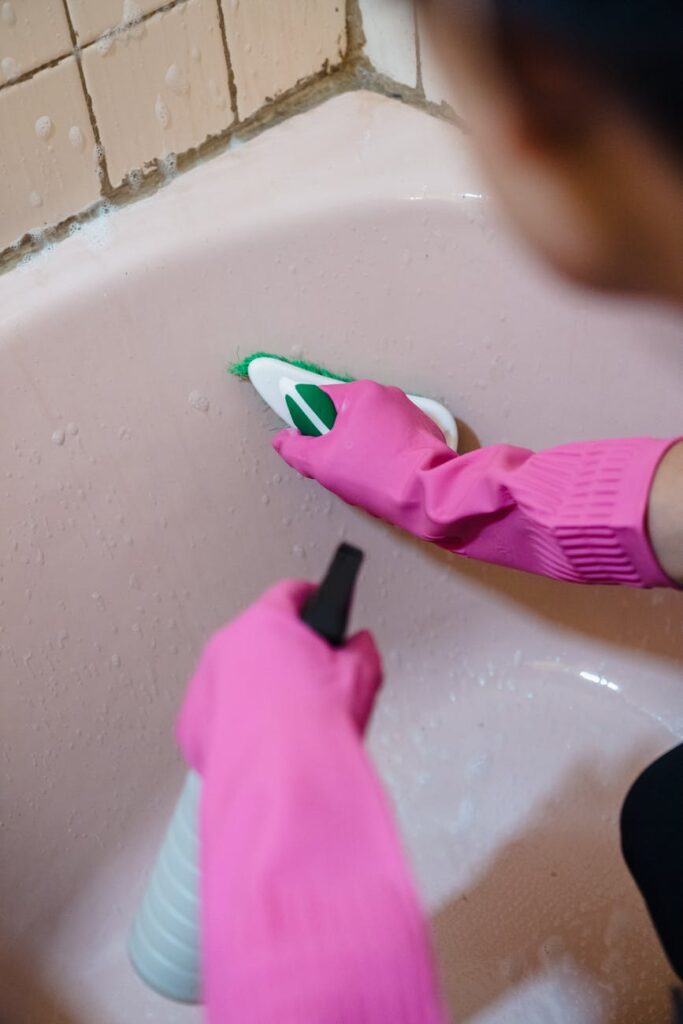
Wearing rubber gloves, use a long-handled brush to scrub the interior surfaces of the grease trap. Focus on areas where grease accumulates.
Step 5: Apply Baking Soda and Vinegar
Sprinkle a generous amount of baking soda inside the grease trap, followed by a cup of vinegar. The chemical reaction will help dislodge any remaining grease and eliminate odours.
Step 6: Rinse Thoroughly
After letting the baking soda and vinegar sit for about 15 minutes, rinse the trap with hot water to flush away debris and odours.
Step 7: Reset the Water Flow
Once everything is cleaned and rinsed, turn the water supply back on. Monitor for any lingering smells.
Best Cleaning Methods
Here are some effective cleaning methods to tackle grease trap odours:
1. Baking Soda and Vinegar
This classic combination works wonders for odour elimination. The alkaline properties of baking soda neutralize acids, while vinegar kills bacteria.
2. Dish Soap and Hot Water
Using a concentrated dish soap mixed with hot water can break down grease effectively. Pour it into the trap and let it sit for a few minutes before rinsing.
3. Commercial Degreasers
If the odour persists, consider using industrial-strength degreasers specifically designed for grease traps. Follow the manufacturer’s instructions for best results.
4. Enzyme Cleaners
Enzyme cleaners break down organic matter effectively. They are eco-friendly and can be used regularly to maintain a clean grease trap.
Common Mistakes to Avoid
When dealing with grease trap odours, it’s crucial to avoid these common pitfalls:
Prevention Tips
Preventing grease trap odours is easier than you think. Here are some effective strategies:
1. Regular Cleaning: Clean your grease trap every three to six months, depending on usage.
2. Use a Grease Strainer: Install a strainer in your sink to catch food particles before they enter the grease trap.
3. Educate Family Members: Ensure everyone in your household understands what can and cannot be disposed of down the sink.
4. Monitor Water Flow: Keep an eye on your plumbing for any signs of slow drainage, which can indicate a clog.
5. Use Enzyme Cleaners Regularly: Incorporate enzyme cleaners into your cleaning routine to maintain a fresh environment.
Frequently Asked Questions
1. How often should I clean my grease trap?
It’s recommended to clean your grease trap every three to six months, depending on usage.
2. Can I use bleach to clean my grease trap?
Bleach can be harsh and may damage your plumbing system. It’s better to use natural cleaners like baking soda and vinegar.
3. What if the odour persists after cleaning?
If the smell continues, inspect for clogs or consider hiring a professional plumber for a thorough cleaning.
4. Are there any natural options for preventing odours?
Yes, using enzyme cleaners can help prevent odours naturally while breaking down organic waste.
5. Can grease trap odours affect my health?
While not typically harmful, persistent odours can indicate bacterial growth, which should be addressed promptly.
6. Is it safe to dispose of food waste in the sink?
Avoid disposing of food waste in the sink. Use a compost bin or trash can for disposal to prevent grease build-up.
By following these steps and tips, you can effectively manage and eliminate grease trap odours in your home, keeping your living space fresh and pleasant.