
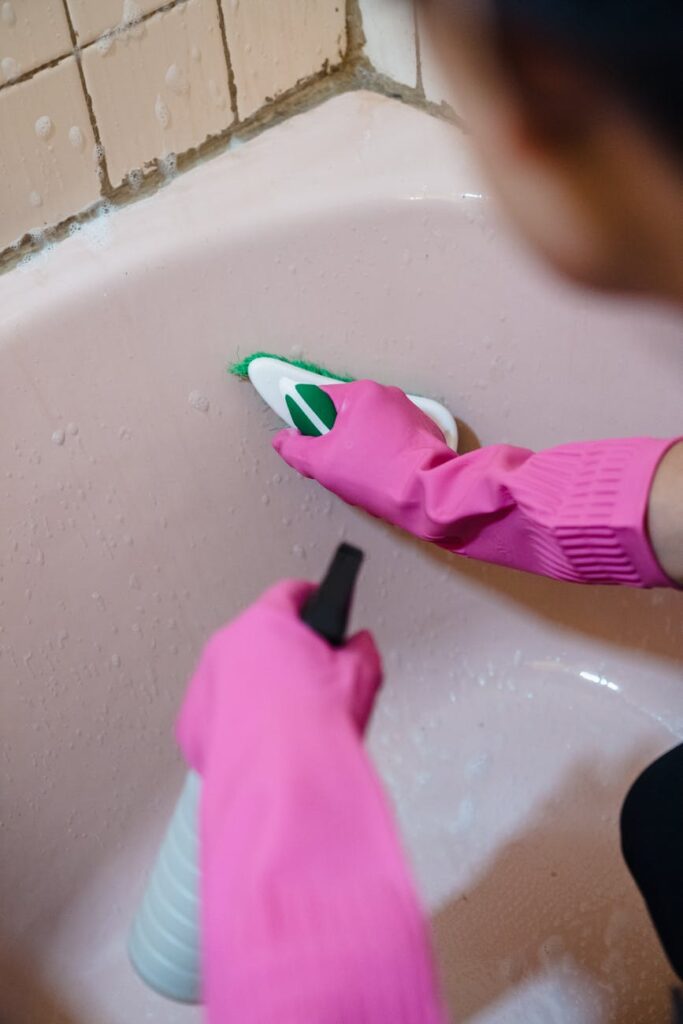
Grease Trap Stains Mould & Damp Guide Part 1
Introduction
Mould and dampness in your home can be not only unsightly but also hazardous to your health. Grease traps, often found in kitchens, can be a breeding ground for these issues if not properly maintained. This guide will provide practical solutions to tackle mould and damp caused by grease trap stains, ensuring your home remains clean and safe.
What Causes Mould & Damp?
Mould and dampness thrive in environments that are moist, warm, and poorly ventilated. In kitchens, grease traps accumulate food particles and grease, creating a perfect environment for mould growth. The following factors contribute to mould and damp:
- Moisture: Leaks, spills, and condensation can create excess moisture.
- Poor Ventilation: Insufficient airflow can trap humidity.
- Organic Material: Food particles in grease traps provide nourishment for mould spores.
- Temperature: Warm environments promote mould growth.
- Stagnant Water: Clogged traps can cause water to pool, increasing humidity.
- Bacterial Growth: Decomposing food in grease traps can produce foul odours and mould.
- Structural Damage: Long-term dampness can weaken building materials.
- Rubber gloves
- Face mask
- Bucket
- Sponge or cloth
- Mild detergent
- White vinegar or baking soda
- Spray bottle
- Scrub brush
- Sealant (if necessary)
- Vinegar: An effective natural mould killer that also deodorizes.
- Baking Soda: A gentle abrasive that helps remove tough stains and odours.
- Commercial Mould Cleaners: For severe infestations, consider using specialized mould removers.
- Ignoring Small Leaks: Small leaks can lead to bigger problems if not addressed promptly.
- Using Harsh Chemicals: They can damage surfaces and may not effectively address mould.
- Neglecting Regular Maintenance: Failing to clean grease traps regularly can lead to repeated mould issues.
- Not Drying Surfaces: Leaving areas damp can encourage mould to return.
- Regular Cleaning: Clean grease traps at least once a month to prevent buildup.
- Improve Ventilation: Use exhaust fans in kitchens to reduce humidity.
- Use Dehumidifiers: In damp areas, consider using a dehumidifier to keep moisture levels low.
- Seal Cracks: Regularly check and seal any cracks in walls or around plumbing.
Why This Problem Happens
Grease traps are designed to capture grease and organic waste, but if not cleaned regularly, they can become clogged. This leads to:
Understanding these causes is essential for addressing and preventing mould and dampness in your home.
How to Fix Mould & Damp (Step-by-Step)
Step 1: Identify the Source
Before tackling mould, identify the source of moisture. Check for leaks, condensation, or poor ventilation. Inspect the grease trap for clogs or buildup.
Step 2: Gather Your Supplies
You’ll need:
Step 3: Prepare the Area
Ensure the area is well-ventilated. Open windows and doors to reduce humidity. If the mould is extensive, consider wearing a face mask to avoid inhaling spores.
Step 4: Clean the Grease Trap
1. Turn Off the Water Supply: Ensure the water is turned off to prevent overflow.
2. Remove Debris: Scoop out any solid waste and dispose of it properly.
3. Scrub the Surfaces: Use a sponge or cloth with mild detergent to scrub the interior of the grease trap.
4. Rinse Thoroughly: Rinse with clean water, ensuring no soap residue remains.
Step 5: Treat Mould
1. Create a Cleaning Solution: Mix equal parts of white vinegar and water in a spray bottle.
2. Spray the Affected Areas: Generously apply the solution to mouldy spots.
3. Let it Sit: Allow the solution to sit for at least 10-15 minutes to kill mould spores.
4. Scrub Again: Use a scrub brush to remove any remaining mould.
5. Rinse and Dry: Rinse the area with clean water and dry thoroughly with a cloth.
Step 6: Seal (If Necessary)
If there are any cracks or openings around the grease trap, use a sealant to prevent moisture from entering the area.
Best Cleaning Methods
Common Mistakes to Avoid
Prevention Tips
Frequently Asked Questions
1. How often should I clean my grease trap?
Clean your grease trap at least once a month or more frequently if you notice clogs or odours.
2. Can I use bleach to clean mould?
While bleach can kill mould, it can also damage surfaces and may not remove mould spores effectively. Use vinegar or commercial cleaners instead.
3. What are the signs of mould in my home?
Signs include visible mould growth, a musty smell, and damp spots on walls or ceilings.
4. How do I prevent mould from returning?
Maintain a clean environment, ensure proper ventilation, and address any leaks immediately.
5. Is mould dangerous?
Mould can cause respiratory issues and allergic reactions. It’s essential to address mould growth promptly.
6. Can I clean mould myself, or should I hire a professional?
For small areas, you can clean mould yourself. However, if the mould covers a large area or is in hard-to-reach places, consider hiring a professional.
By following this guide, you can effectively tackle mould and damp related to grease trap stains, ensuring a cleaner and healthier home environment. Stay tuned for Part 2, where we will explore advanced cleaning techniques and long-term solutions.