
Grease Trap Stains Cleaning Guide Part 2
Introduction
Grease trap stains can quickly become a nuisance in your kitchen or business. These stains not only affect the aesthetic of your space but can also lead to unpleasant odors and other issues if left untreated. In this guide, we will explore the causes of grease trap stains, effective cleaning methods, and practical tips to prevent them in the future.
What Causes Grease Trap Stains?
Grease trap stains primarily result from the buildup of grease, oils, and food particles that accumulate in your grease trap. Over time, these substances can harden and create stubborn stains on surfaces. Common culprits include:
- Fats and Oils: Cooking oils and fats can solidify and cling to surfaces.
- Food Particles: Bits of food can mix with grease and contribute to staining.
- Improper Disposal: Pouring grease down the drain can exacerbate the problem.
- Lack of Maintenance: Neglecting to clean your grease trap regularly allows buildup to occur.
- High Volume of Grease: Restaurants or households that cook frequently produce more grease.
- Improper Installation: A poorly installed grease trap may not function effectively.
- Rubber gloves
- Scrub brushes (stiff and soft bristle)
- Plastic or metal scraper
- Bucket
- Dish soap
- Baking soda
- Vinegar
- Hot water
- Rags or paper towels
Understanding these causes is essential for effectively tackling grease trap stains.
Why This Problem Happens
Grease traps are designed to collect fats, oils, and grease before they enter the sewer system. However, if they are not cleaned regularly, the contents can overflow or leak, leading to stains on surrounding surfaces. Factors contributing to this issue include:
Recognizing these factors will help you address the root cause of grease trap stains.
How to Fix Grease Trap Stains (Step-by-Step)
Cleaning grease trap stains requires a systematic approach. Follow these steps for effective results:
Step 1: Gather Your Supplies
You will need:
Step 2: Prepare the Area
1. Clear the Area: Remove any items near the grease trap to prevent damage.
2. Ventilate: Ensure proper ventilation in the area to minimize odors.
Step 3: Remove Loose Debris
1. Use a scraper to remove any solid debris from the surface.
2. Dispose of the waste properly.
Step 4: Apply Cleaning Solution
1. Dish Soap Mix: Mix warm water with dish soap in a bucket.
2. Soak the Area: Apply the soapy solution to the stained area using a rag or sponge.
Step 5: Scrub the Stains
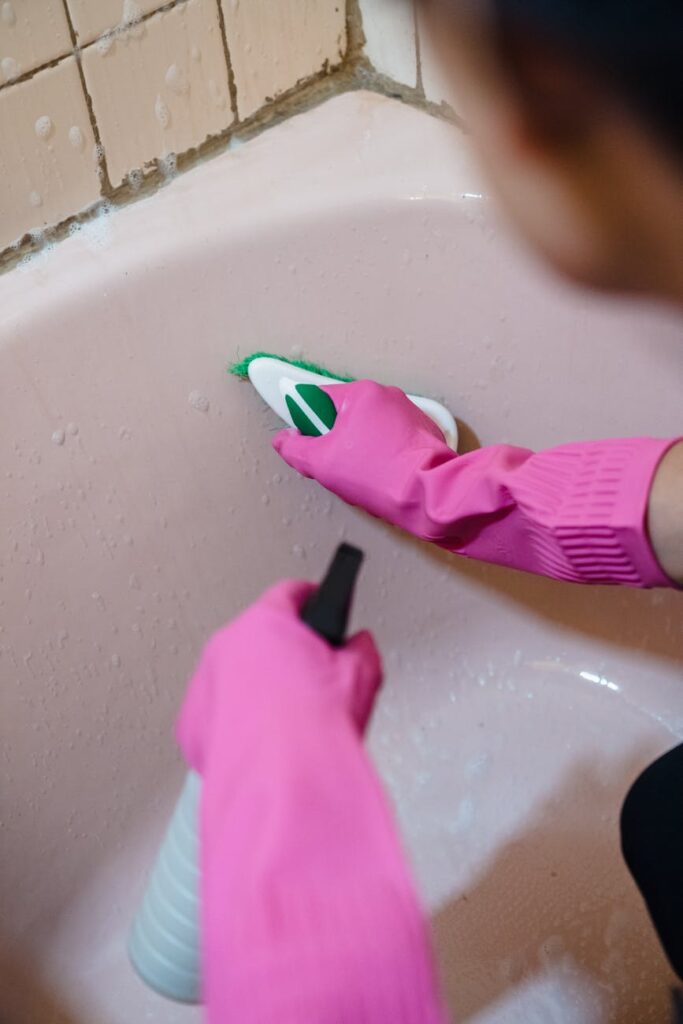
1. Use a stiff-bristle scrub brush to scrub the stained area vigorously.
2. For tougher stains, sprinkle baking soda on the area before scrubbing. This will help lift the grease.
Step 6: Rinse and Repeat
1. Rinse the area with hot water.
2. If stains persist, repeat the cleaning process.
Step 7: Final Cleanse with Vinegar
1. After the stains are removed, pour vinegar over the cleaned area.
2. Let it sit for 10 minutes, then rinse with hot water. This helps neutralize odors.
Best Cleaning Methods
Several methods can effectively clean grease trap stains. Here are some of the best:
1. Dish Soap and Hot Water
This combination is simple yet effective for light to moderate stains. The heat helps dissolve grease, while the soap breaks it down.
2. Baking Soda and Vinegar
This classic combination is excellent for tougher stains. The fizzing reaction helps lift grease and food particles.
3. Commercial Grease Removers
For stubborn stains, consider using a commercial grease remover. Ensure it’s safe for the surfaces you’re cleaning and follow the manufacturer’s instructions.
4. Pressure Washing
For exterior grease trap areas, a pressure washer can remove stubborn stains effectively. Be cautious with the pressure settings to avoid damaging surfaces.
Common Mistakes to Avoid
While cleaning grease trap stains, homeowners often make a few common mistakes:
1. Neglecting Safety Gear
Always wear rubber gloves and protective eyewear when cleaning. This prevents skin irritation and protects your eyes from splashes.
2. Using Harsh Chemicals
Avoid using bleach or ammonia-based cleaners, as they can damage surfaces and create harmful fumes.
3. Ignoring Maintenance
Failing to clean your grease trap regularly can lead to more severe staining and more challenging cleaning tasks.
4. Not Rinsing Properly
Ensure you rinse the area thoroughly after cleaning to remove any soap or residue, which can attract more dirt.
Prevention Tips
Preventing grease trap stains is easier than removing them. Here are some practical tips:
1. Regular Cleaning
Establish a regular cleaning schedule for your grease trap, ideally every 1-3 months, depending on usage.
2. Use a Grease Trap Cleaner
Consider using a commercial grease trap cleaner that contains bacteria designed to break down fats and oils.
3. Dispose of Grease Properly
Never pour grease down the drain. Instead, collect it in a container and dispose of it in the trash.
4. Install a Grease Trap
If you don’t have one, install a grease trap in your kitchen sink to minimize grease buildup in your pipes.
Frequently Asked Questions
1. How often should I clean my grease trap?
It’s recommended to clean your grease trap every 1-3 months, depending on the volume of grease produced.
2. Can I use vinegar alone to clean grease stains?
While vinegar can help, it’s best used in combination with baking soda or dish soap for optimal results.
3. What should I do if the stains persist after cleaning?
If stains persist, consider using a commercial grease remover or consulting a professional cleaning service.
4. Are there any eco-friendly cleaning options?
Yes, using a mixture of baking soda and vinegar is a natural and eco-friendly option for cleaning grease stains.
5. Can a pressure washer be used indoors?
It’s not recommended to use a pressure washer indoors due to water damage and potential safety hazards.
6. What if my grease trap overflows?
If your grease trap overflows, it’s crucial to clean it immediately and assess for any blockages. Contact a professional if you’re unsure how to proceed.
Conclusion
Cleaning grease trap stains doesn’t have to be a daunting task. With the right approach and tools, you can effectively remove stains and prevent them from returning. Regular maintenance, proper disposal of grease, and effective cleaning methods will keep your kitchen looking clean and fresh. By following this guide, you’ll ensure that grease trap stains become a thing of the past.