
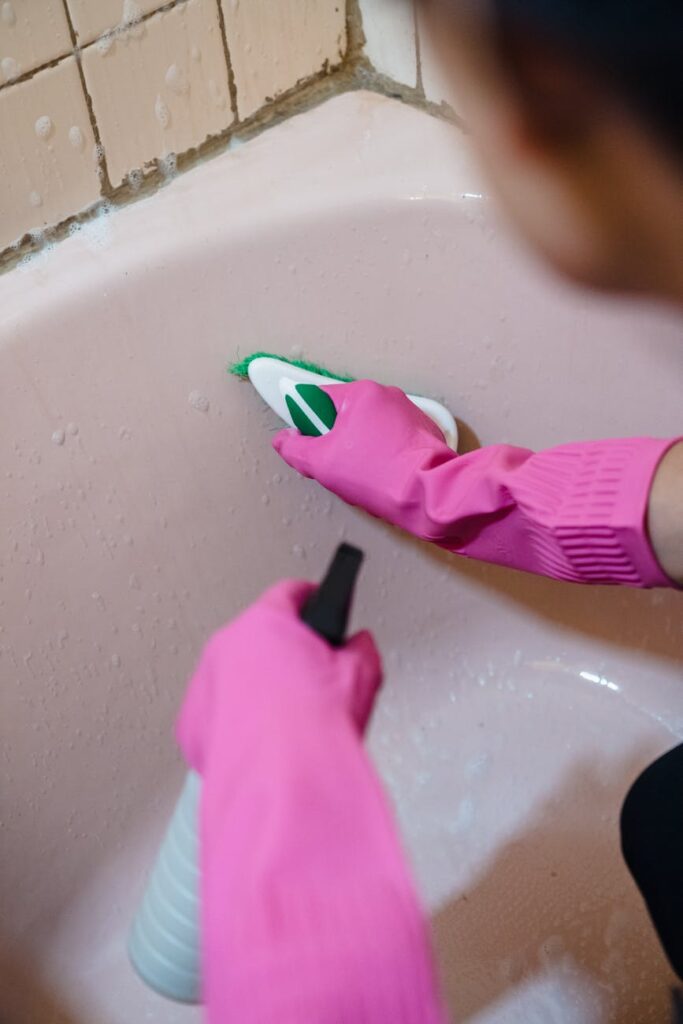
Grease Trap Stains Bathroom Guide Part 2
Introduction
Bathroom grease trap stains can be a frustrating issue for homeowners. These unsightly stains often develop due to the accumulation of soap scum, hair products, and other residue that can cling to surfaces. In this guide, we will address what causes these stains, why they occur, and provide you with actionable steps to effectively clean and prevent them.
What Causes Bathroom Grease Trap Stains?
Grease trap stains in the bathroom primarily originate from:
1. Soap Residue: Many soaps and shampoos contain fats and oils that can leave behind a greasy film.
2. Hair Products: Conditioners, gels, and sprays often contain silicones and oils that adhere to surfaces.
3. Hard Water: Minerals in hard water can combine with soap and other residues to create stubborn stains.
4. Lack of Ventilation: Moisture and humidity can exacerbate the buildup of grime.
Understanding these causes will help you target your cleaning efforts more effectively.
Why This Problem Happens
Over time, the bathroom becomes a hotspot for grease and grime due to:
- Frequent Use: Regular use of showers, sinks, and tubs leads to constant exposure to products that leave residues.
- Insufficient Cleaning: Infrequent or improper cleaning can allow residues to build up, leading to tougher stains.
- Poor Drainage: If water doesn’t drain properly, it can pool and create a breeding ground for grease and stains.
- Baking soda
- White vinegar
- Dish soap
- Scrub brush or toothbrush
- Microfiber cloths
- Spray bottle
- Rubber gloves
- Apply the baking soda paste directly to the stained areas.
- Let it sit for about 15-20 minutes. This will help lift the grease and grime.
- After the paste has set, use a scrub brush or toothbrush to scrub the stained areas gently.
- Focus on corners and crevices where grease tends to accumulate.
- Spray the vinegar solution over the areas you scrubbed. The fizzing reaction will help dislodge any remaining residue.
- Wipe the area with a microfiber cloth.
- Rinse the surfaces thoroughly with warm water to remove any leftover cleaning solution.
- Dry the area with a clean microfiber cloth to prevent water spots.
- Baking Soda and Vinegar: Create a paste with baking soda and water, apply it to grout lines, and then spray with vinegar. Scrub and rinse.
- Commercial Grout Cleaner: If stains persist, consider a commercial grout cleaner designed for tough stains.
- Dish Soap Solution: Mix dish soap with warm water and use it to wipe down surfaces. Rinse and dry thoroughly.
- Lemon Juice: For stubborn stains, apply lemon juice directly and let it sit for 10 minutes before wiping.
- All-Purpose Cleaner: An all-purpose cleaner can effectively lift grease. Spray, let sit, scrub, and rinse.
- Magic Eraser: For tough spots, a magic eraser can be useful for scrubbing off grime.
These factors contribute to the persistence of grease trap stains and highlight the need for regular maintenance.
How to Fix Bathroom Grease Trap Stains (Step-by-Step)
Cleaning grease trap stains requires a systematic approach. Follow these steps for effective removal:
Step 1: Gather Your Supplies
Before you start, gather the following cleaning materials:
Step 2: Prepare the Cleaning Solution
1. Baking Soda Paste: Mix 1 cup of baking soda with enough water to form a paste.
2. Vinegar Solution: In a spray bottle, mix equal parts of white vinegar and water.
Step 3: Apply the Baking Soda Paste
Step 4: Scrub the Stains
Step 5: Rinse with Vinegar Solution
Step 6: Final Rinse
Best Cleaning Methods
Different surfaces may require different cleaning approaches. Here are some effective methods:
For Tiles and Grout
For Sinks and Counters
For Bathtubs and Showers
Common Mistakes to Avoid
1. Using Abrasive Cleaners: Avoid harsh or abrasive cleaners that can scratch surfaces.
2. Neglecting Ventilation: Always ensure proper ventilation to prevent moisture buildup.
3. Skipping Regular Cleaning: Don’t wait for stains to build up; regular maintenance is key.
4. Not Testing Cleaners: Always test a small area first to ensure the cleaner doesn’t damage the surface.
Prevention Tips
Preventing grease trap stains is easier than cleaning them. Here are some proactive steps to consider:
1. Regular Cleaning: Clean your bathroom weekly to prevent buildup.
2. Use Grease-Free Products: Opt for soap and shampoo brands that are free from heavy oils and silicones.
3. Proper Ventilation: Use an exhaust fan or open windows during and after showers to reduce humidity.
4. Drain Maintenance: Ensure drains are clear and functioning well to prevent pooling water.
Frequently Asked Questions
1. How often should I clean my bathroom to prevent grease trap stains?
Aim to clean your bathroom at least once a week to prevent buildup.
2. Can I use bleach to clean grease trap stains?
Bleach can be effective, but it’s best used sparingly. Always dilute it and ensure proper ventilation.
3. What if the stains don’t come off after cleaning?
If stains persist, consider using a stronger commercial cleaner or consulting a professional cleaning service.
4. Are there natural alternatives to commercial cleaners?
Yes, baking soda, vinegar, and lemon juice are effective natural alternatives for cleaning grease stains.
5. How do I prevent soap scum buildup?
Use a squeegee after each shower to remove excess water and soap residue from surfaces.
6. Can hard water cause grease trap stains?
Yes, hard water can mix with soap residues and create stubborn stains. Consider using a water softener if hard water is an issue.
By following this guide, you can effectively tackle and prevent grease trap stains in your bathroom, maintaining a clean and inviting space. Regular maintenance and the right cleaning methods will save you time and effort in the long run.