
Grease Trap Cleaning Stains Guide Part 2
Introduction
Stains in grease traps are not just unsightly; they can lead to unpleasant odors and even plumbing issues. Understanding how these stains form and how to effectively clean them is essential for maintaining a healthy kitchen environment. In this guide, we’ll explore the causes of these stains, how to fix them step-by-step, and effective prevention methods.
What Causes Stains?
Grease trap stains typically arise from a buildup of fats, oils, and food particles. When these substances accumulate over time, they can harden and become difficult to remove. Common causes of stains include:
- Old grease deposits: Over time, grease can solidify, leading to stubborn stains.
- Food debris: Uneaten food often contributes to grease trap issues, as it interacts with grease and creates a sticky residue.
- Bacteria growth: The warm, moist environment of grease traps can promote bacterial growth, leading to discoloration and odor.
- Infrequent cleaning: Neglecting regular cleaning schedules allows grease and food particles to build up, leading to stains.
- Improper disposal: Pouring grease and oil down the drain exacerbates the issue, as these substances are not meant to enter the grease trap.
- Temperature fluctuations: Sudden temperature changes can cause grease to solidify quickly, making it harder to clean.
- Rubber gloves
- Scrub brush or sponge
- Bucket
- Hot water
- Dish soap or degreaser
- Baking soda (optional)
- Vinegar (optional)
- Hot Water Rinse: Using hot water helps dissolve grease more easily, making it simpler to scrub away stains.
- Baking Soda and Vinegar: This combination creates a natural cleaning reaction that can break down tough stains and deodorize the trap.
- Enzyme Cleaners: These specialized cleaners can break down grease and organic matter effectively.
- Not Wearing Gloves: Always protect your hands when dealing with grease and cleaning solutions.
- Using Abrasive Tools: Steel wool and harsh scrubbing pads can scratch surfaces and create more problems.
- Neglecting Regular Maintenance: Waiting too long between cleanings can lead to more severe staining and odor issues.
- Ignoring Safety Precautions: Ensure the area is well-ventilated and that you follow all safety guidelines when using chemical cleaners.
- Regular Cleanings: Schedule a cleaning every 1-3 months, depending on usage.
- Dispose of Grease Properly: Never pour grease or oil down the sink. Use designated containers for disposal.
- Install a Grease Trap Strainer: A strainer can catch food particles before they enter the trap, reducing buildup.
- Educate Household Members: Ensure everyone knows the importance of proper disposal methods and maintenance.
Why This Problem Happens
Understanding the underlying reasons for grease trap staining can help you take better care of your system. Here are some factors that contribute to this problem:
How to Fix Stains (Step-by-Step)
Cleaning grease trap stains requires a few simple steps. Follow this guide to effectively tackle the issue:
Step 1: Gather Your Supplies
You’ll need:
Step 2: Turn Off the Grease Trap
Before you start cleaning, turn off the grease trap system to ensure safety.
Step 3: Remove Solid Debris
Use a scoop or spatula to remove any solid debris from the trap. Dispose of this waste properly.
Step 4: Prepare Cleaning Solution
Mix hot water with dish soap or a degreaser in a bucket. For tough stains, add baking soda for additional scrubbing power.
Step 5: Scrub the Stains
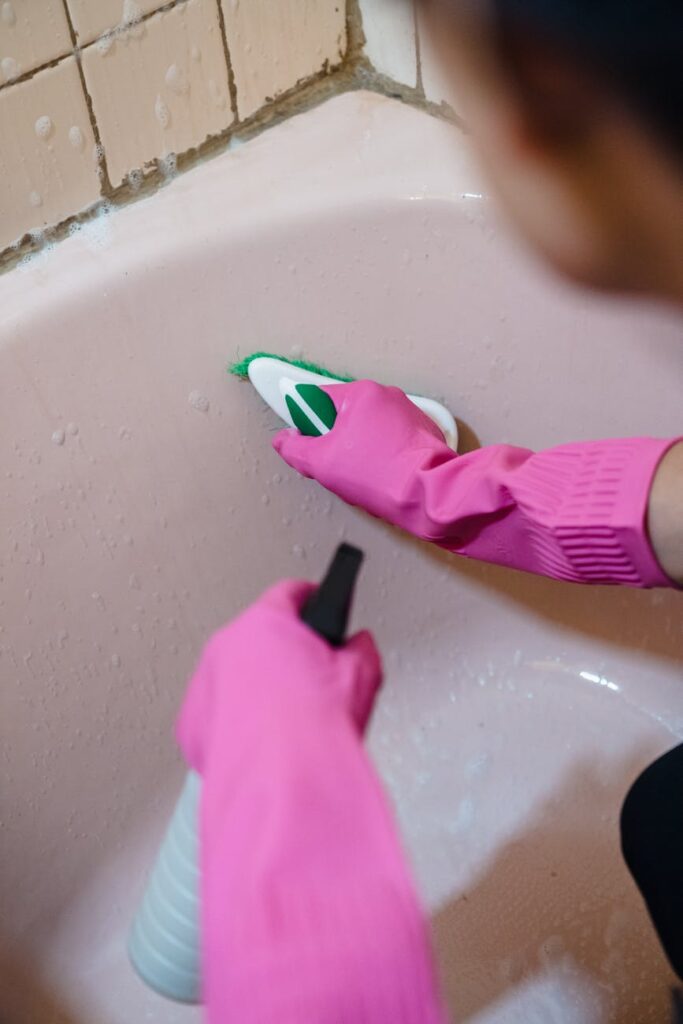
Dip your scrub brush or sponge into the cleaning solution and scrub the stained areas. Be thorough but gentle to avoid damaging the trap.
Step 6: Rinse
After scrubbing, rinse the area thoroughly with hot water to remove any residue from the cleaning solution.
Step 7: Apply Vinegar (Optional)
For extra stain removal, pour vinegar directly onto the stained areas and let it sit for about 15 minutes. Rinse thoroughly afterward.
Step 8: Turn the Grease Trap Back On
Once everything is clean and dry, turn the grease trap system back on.
Best Cleaning Methods
Different methods can help you tackle grease trap stains effectively. Here are the best practices:
Common Mistakes to Avoid
When cleaning grease trap stains, avoid these pitfalls:
Prevention Tips
Preventing grease trap stains starts with proper maintenance and habits. Follow these tips to keep your grease trap clean:
Frequently Asked Questions
1. How often should I clean my grease trap?
Regular cleaning every 1-3 months is recommended, depending on kitchen usage.
2. Can I use bleach to clean grease trap stains?
Avoid using bleach, as it can produce harmful fumes when mixed with other cleaning agents and may not effectively remove grease.
3. What if the stains are still visible after cleaning?
For tough stains, consider using an enzyme cleaner or repeating the vinegar and baking soda treatment.
4. Are there professional cleaning services for grease traps?
Yes, many plumbing services offer professional grease trap cleaning. This may be a good option for heavily stained traps.
5. Can I use a pressure washer on my grease trap?
Avoid using a pressure washer, as it can damage the trap and push grease further into the plumbing system.
6. What are the signs that my grease trap needs cleaning?
Signs include foul odors, slow drains, and visible grease buildup or stains.
—
By following this guide on grease trap cleaning stains, you can effectively manage and prevent stains, ensuring a cleaner, healthier kitchen environment. Regular maintenance and good habits will go a long way in keeping your grease trap in optimal condition.